
2026-11-22
One failed component is all it takes to stall a whole site. When an excavator, a wheel loader or a dozer quits mid-shift, the schedule slips, the crew stands idle and the repair bill rarely stops at the price of the part itself. Preventive maintenance is the discipline that keeps that scenario from becoming routine.
Preventive maintenance is a fleet strategy built on acting before a fault becomes a failure. Instead of waiting for a symptom to appear, you carry out a defined set of tasks on a defined schedule, which keeps machine performance predictable and unplanned downtime short.
No machine runs at peak efficiency without routine attention. Tires have to be rotated and retreaded, oil has to be changed, bucket teeth have to be replaced and pivot points have to be greased.
The difficulty is one of scale. Add machines to a fleet and the list of tasks grows with them. Once you are responsible for a dozen units or more, the workload becomes easy to lose track of, and the jobs that get skipped are usually the ones nobody notices until something breaks.
That is precisely what a preventive program is designed to stop. It turns maintenance into a system rather than a string of reactions: every machine appears on the schedule, every task has an owner, and nothing depends on somebody remembering.
At its core, the schedule answers three questions — what has to be done, who does it and when it is due. The result of each job is recorded, and anything discovered along the way is handled on the spot rather than noted down and forgotten.
Reactive maintenance, sometimes called breakdown maintenance, waits for failure and then repairs it. Nothing is done to head off a mechanical problem before it happens. Plenty of operators and fleet managers still work this way, and the philosophy is easy to sum up: if it ain’t broke, don’t fix it.
It looks like the cheaper route, because money only leaves the account when something actually fails. Over a few seasons the arithmetic reverses. Reactive fleets break down more often, and the failures tend to be harsher when they arrive, because a small problem was allowed to grow into a major one.
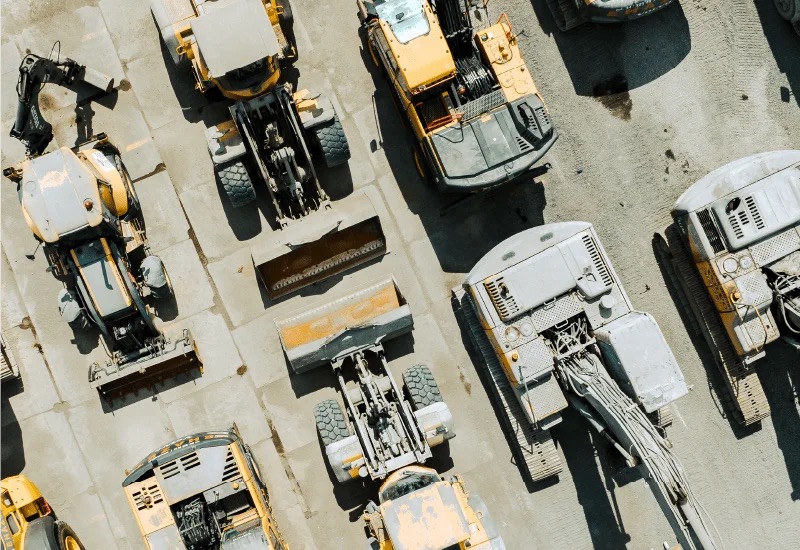
A well-built maintenance strategy lowers running costs and extracts more working life from the fleet. Reliability improves, crews work more safely and the whole operation becomes more efficient. Four benefits show up again and again.
Regular inspection is the cheapest form of maintenance there is. Checking mechanical components, hydraulics and the electrical system on a set interval catches wear while it is still minor.
Component failures rarely stay contained. One part lets go and the damage spreads through the system, turning a modest repair into an expensive one.
Frequent, thorough inspection breaks that chain early and keeps machines out of the service yard.
Every machine ships with a list of recommended maintenance tasks, and the operating manual is where you will find it. Skip those tasks and performance drops — quietly at first, then obviously — and fleet productivity falls with it.
Take a backhoe on digging duty. Its bucket teeth need replacing on a regular basis. Let them wear down to the shanks and digging power falls away sharply; the same trench then takes an operator considerably longer to finish.
Keeping up with the schedule means the machine can still do the job it was bought for, and your operators spend their hours producing rather than compensating.
Downtime is the most expensive side effect of neglected maintenance. A breakdown brings service charges and a machine that cannot earn, and it also idles the people who run it.
Preventive maintenance attacks downtime from the other direction, by anticipating which parts will fail. Components that degrade gradually can be watched and inspected routinely, then swapped out as they approach the end of their service life rather than after they let go.
Replacing wear parts on a planned basis is the most reliable way to avoid a stoppage you did not schedule.
Maintained machines are not only more productive, they are safer to be around. A sound program puts safety devices on the inspection list and keeps them there.
Lights, horns, locks, alarms, pedals and fire extinguishers all wear out or fail, and each one has to be checked and replaced when it does.
That routine protects people from accidents that never needed to happen. It also protects the business: if an incident does occur, you can show that the equipment was inspected and maintained as it should have been, rather than neglected.
The hard part of preventive maintenance is not believing in it — it is knowing where to begin. Requirements vary from one machine to the next, and folding an entire fleet into one coherent plan takes some thought. These four steps make the job manageable.
A consistent preventive maintenance program remains the most effective way to hold down maintenance-related operating costs and keep equipment in good shape for years. When worn or damaged components do need replacing, shop for heavy equipment parts here. If you are unsure which parts your machine takes, or simply cannot find them, our parts experts can point you to the right item.

Hydraulic cylinder seals: five parts that decide cylinder performance
2026-11-22
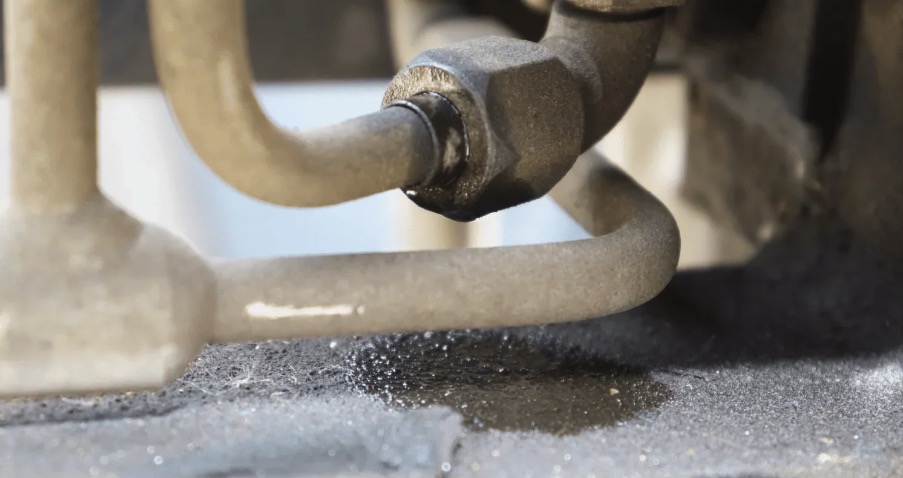
Where Hydraulic Fluid Escapes: Internal vs External Leaks, Warning Signs and Prevention
2026-11-21
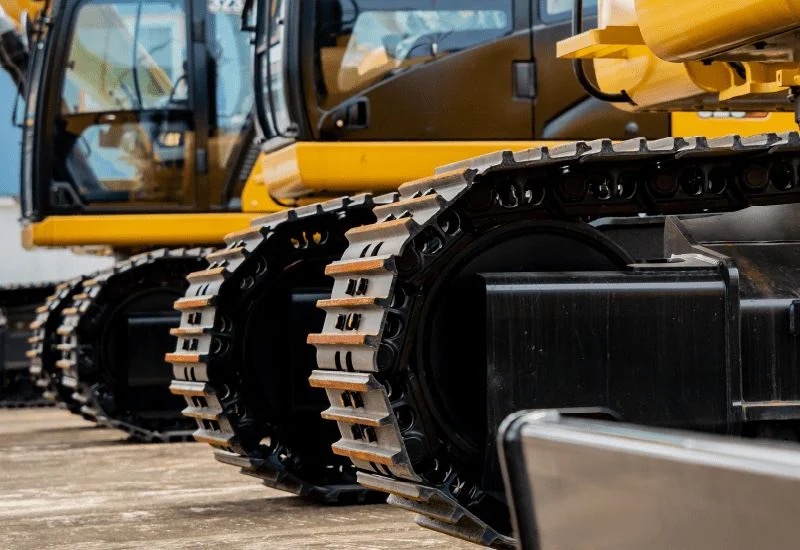
Excavator Questions, Answered: Size, Cost, Attachments and More
2026-11-21
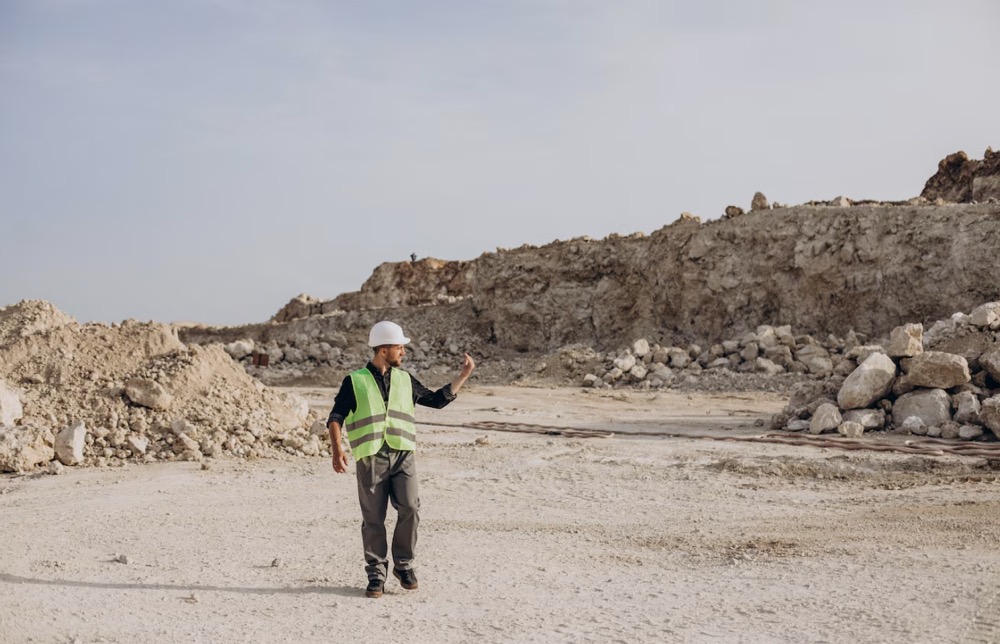
XCMG or Liugong? Choosing a 5-Tonne Wheel Loader That Survives a UAE Summer
2026-11-21