2026-08-12
The ignition control module is the core of the entire ignition system. It controls the ignition timing and the spark, like the engine’s brain. The ignition module directly affects engine performance. In this guide, we’ll explain the early bad ignition control module symptoms, the causes of faults, and the steps you can take to deal with them.
Think of the ignition control module (ICM) as the electronic brain of your machine’s ignition system. It’s small but super important—usually a black or silver box with cooling fins. You’ll find it near the engine, or sometimes inside the distributor. Its only job? Send a perfectly timed spark to light the fuel-air mix in the engine’s cylinders.
The ignition control module (ICM) works like a smart switch for the ignition coil. Here’s a breakdown of the process:
The ICM does this precise little dance thousands of times a minute. If the timing is even a tiny bit off, or the signal is weak or spotty, your engine’s gonna run terribly.
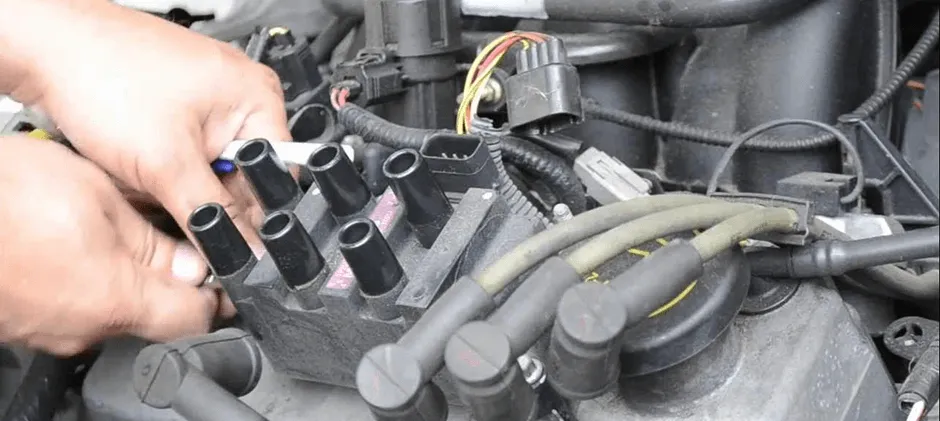
Because the ignition control module (ICM) is very critical to engine operation, if it has problems, the engine will usually show abnormalities immediately. Many times, failures are hit or miss at first. Especially after the engine gets hot, the problem will become more and more frequent. Here are some common glitch manifestations.
If the module does not control the ignition coil properly, no sparks will be generated. No matter how you start it, the engine won’t respond. In the case of normal fuel and sufficient battery charge in the battery, the ignition control module is the object that needs to be inspected in a focused manner.
This is a common situation when the ignition control module begins to age or is about to fail. Everything may be fine when the machine is cold-started. But after running for 15~30 minutes, the engine will suddenly stall. Wait for it to cool down for a while, then it may restart again. Usually, because the electronic components inside the module work erratically when heated. There is also a safety risk when a forklift suddenly stalls while handling goods or equipment, affecting work.
When the signal output by the ICM becomes weak or unstable, the ignition time may be inaccurate. This will cause some cylinders to burn insufficiently. The engine will jitter and vibrate, run improperly, and reduce load capacity.
If the ignition time is wrong, as if it is ignited too late, incompletely burned fuel may enter the exhaust system and burn at high temperature, producing a loud bang. In addition to abnormal sound, it can also damage the exhaust system for a long time.
On newer machines with an onboard diagnostic system, a faulty ICM (or its related wiring) will usually trigger the Check Engine Light. Plug in a scanner, and you’ll likely see codes linked to misfires (like P0300, P0301) or ignition circuit problems.
Ignition control modules are solid-state electronics, but they work in one of the toughest spots imaginable—the engine bay of a hardworking machine. A bunch of things can cause them to conk out eventually.
Figuring out if your ICM is bad can be tricky sometimes—its symptoms look just like other engine problems. With a few basic tools and a logical approach, you can usually tell if the module’s the troublemaker.
Grab an inline spark tester—it’s safe and works like a charm. If there’s no spark in any cylinder, the issue’s probably a shared part like the ICM or ignition coil. If only one cylinder is misfiring, it’s way more likely a bad spark plug, wire, or fuel injector.
Start the machine and let it run until it stalls or acts up. If it won’t start when it’s hot, get it into that “dead” state first. Then, carefully spray the ICM body with electronics freeze spray (or even wipe it with a cool, damp rag). Wait a minute and try starting the engine. If it fires right up, you’ve almost definitely found the problem—cooling it temporarily fixes the broken internal connections.
Look at the module itself. Check for cracks in the plastic case, signs of melting, or burnt-looking terminals on the connector. These are dead giveaways that the module’s fried.
Replacing an ignition control module on off-road gear can cost a lot more or less, depending on the machine’s brand, model, and how old it is.
If you know your way around engines, this job’s usually pretty easy. But if the module’s hidden deep in the engine bay or built right into the distributor, it’s gonna be a lot trickier.
A faulty ignition control module can cause your engine to misfire, run rough, or even stall out. If you ignore these warning signs, your forklift, golf cart, loader, etc., could end up totally dead and unable to start one day. So why wait to replace that worn-out ICM? Head over to MechLink now—we’ve got a huge selection of control modules in stock. Grab yours today!