
2026-09-22
An air compressor aftercooler is a device that cools the hot, compressed air coming from a compressor to reduce its temperature and moisture. The air compressor is the heart of the pneumatic tool system. The air coming out of the compressor is very hot and contains a lot of water vapor. High heat and harmful moisture usually cause silent damage to your equipment. Aftercoolers are the solution to these problems for your equipment.
If you are curious or confused about its principles and functions, then after reading this guide, you will fully understand what an air compressor aftercooler is, how it works, what different types there are, and its importance to help you fully understand this important component.
At its core, an air compressor aftercooler is a type of heat exchanger. Its primary job is to cool the hot air that comes directly out of your air compressor. When air is compressed, the molecules are forced closer together, which generates a tremendous amount of heat. This heat can raise the temperature of the fuel injection system to 200°F. These extreme temperatures can retain more water and cause serious damage to the equipment’s air lines.
A fundamental principle of physics is that hot air can hold a lot more water vapor than cold air. The air your compressor draws in from the atmosphere is already filled with moisture, especially on humid days. When that air is compressed and heated, it becomes a supersaturated, hot, wet gas.
An air compressor aftercooler tackles both of these problems at once. By cooling the air, it forces the suspended water vapor to condense into liquid water, which can then be easily removed from the system.
The process inside an air compressor aftercooler is simple yet highly effective. It acts as the first and most critical step in air treatment, immediately after the air leaves the compressor pump.
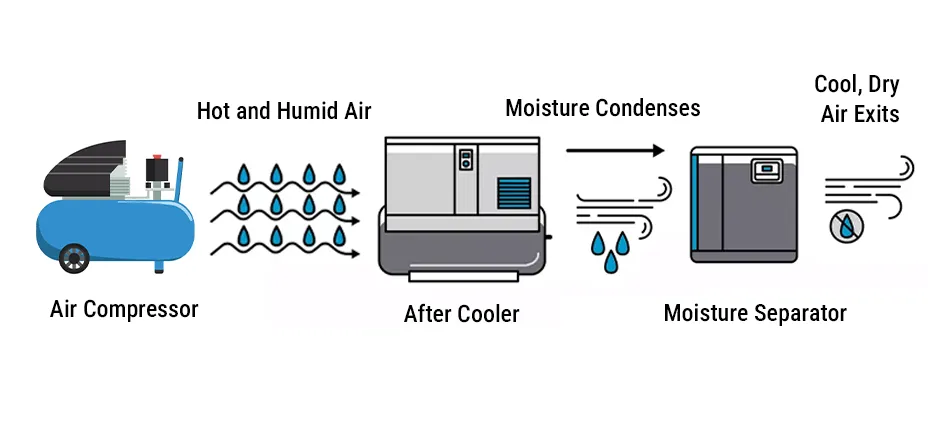
Think of an aftercooler as the heavy-lifter in your air treatment system. It does the bulk of the hard work, making every other component downstream more effective and last longer. Without an aftercooler, this hot, wet air flows directly to your tools and equipment, leading to a host of problems.
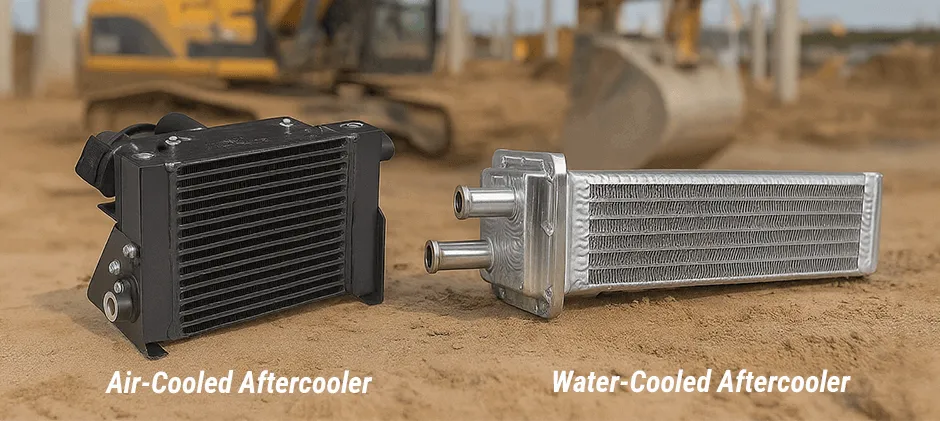
Air compressors’ aftercoolers generally fall into two categories: air-cooled and water-cooled. While their goal is the same—to reduce the temperature of compressed air and remove moisture—their cooling methods and applications differ. For off-road and mobile equipment, one type is far more common than the other.
This is the most common type found on off-road equipment compressors. Air-cooled models rely on airflow to carry heat away from the compressed air. As the hot air travels through a series of coiled tubes or finned surfaces, cooler ambient air is pushed across the coils, often using a fan. This process brings down the temperature of the air to just above the ambient air temperature, typically within 15 to 20 degrees Fahrenheit.
As the air cools, water vapor naturally condenses into liquid. A built-in moisture separator, often using spinning or baffled mechanisms, collects this moisture and removes it via an automatic drain. Some compact compressors even integrate the aftercooler into the belt guard, where rotating pulleys help direct airflow across the heat exchange surface.
Water-cooled systems use circulating water as the cooling agent. These are more common in large or fixed industrial setups where a continuous supply of cold water is available. Because water holds temperature more consistently than air, this type of cooler can achieve a tighter temperature drop—sometimes within 10 to 15 degrees of the water temperature—making it especially effective in demanding environments.
The most typical design is a shell-and-tube configuration, where compressed air flows through internal tubes while water passes over them in the opposite direction. The heat from the air transfers into the water, reducing air temperature and allowing moisture to condense, which is then removed similarly through a drainage system.
For owners of off-road machinery, the choice is almost always clear. Your equipment operates in varied, often remote environments without access to plumbing. Therefore, the air-cooled air compressor aftercooler is the standard and most practical solution.
For off-road machinery owners, air-cooled aftercoolers are typically the best choice. They’re easier to install, don’t require plumbing, and work well in remote or dusty environments. Maintenance is minimal—just occasional cleaning of fins and fans. While their cooling efficiency depends on ambient temperature, they’re ideal for small to mid-sized machines.
Water-cooled aftercoolers, on the other hand, offer more consistent cooling in extreme heat but need a stable water supply, complex installation, and higher upkeep. They’re better suited for large, stationary equipment and come with a higher upfront cost.
Neglecting to use an aftercooler on your heavy equipment isn’t just inefficient; it’s a recipe for costly failures and downtime. If there is no dry compressor air, the following practical consequences will occur:
Installing a high-quality air compressor aftercooler is a proactive measure that delivers tangible returns. The benefits are clear and directly impact your bottom line and operational readiness.
In the operation of the air compressor, the role of the aftercooler cannot be ignored. Using high-quality and professional aftercoolers can not only ensure the efficiency of the equipment but also save maintenance costs. Choose a high-quality parts supplier and let these experts with many years of experience in the parts field, such as MechLink, protect your equipment.
The air compressor aftercooler is not a luxury item; it is a fundamental component for any serious operator of off-road machinery. It serves as the first line of defense, protecting your valuable pneumatic tools from the damaging effects of heat and moisture. By cooling the air and removing the bulk of its water content, it ensures your entire system operates reliably, efficiently, and safely. This simple device saves you money, prevents downtime, and guarantees the quality of your work.
At MechLink, we understand that the reliability of your equipment is crucial to your livelihood. If you need to replace a faulty aftercooler or add one to your system, we are here to help. We specialize in providing high-quality aftermarket parts at affordable prices, with a vast inventory compatible with leading heavy equipment brands like Caterpillar, Komatsu, Kubota, and more. Don’t let hot, wet air compromise your work. Explore our range of aftercoolers to find the right part for your machine and benefit from our fast, global shipping.
How much does air filter replacement cost in 2026?
2026-09-22
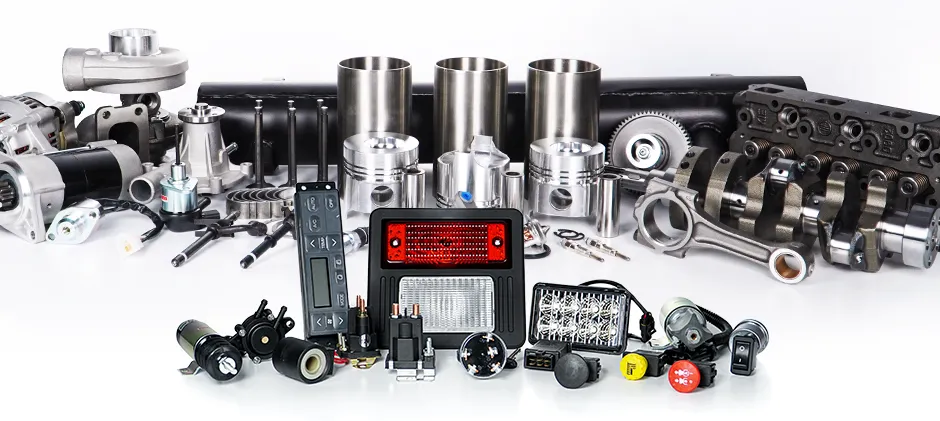
The 30 most popular kubota parts at mechlink
2026-09-21
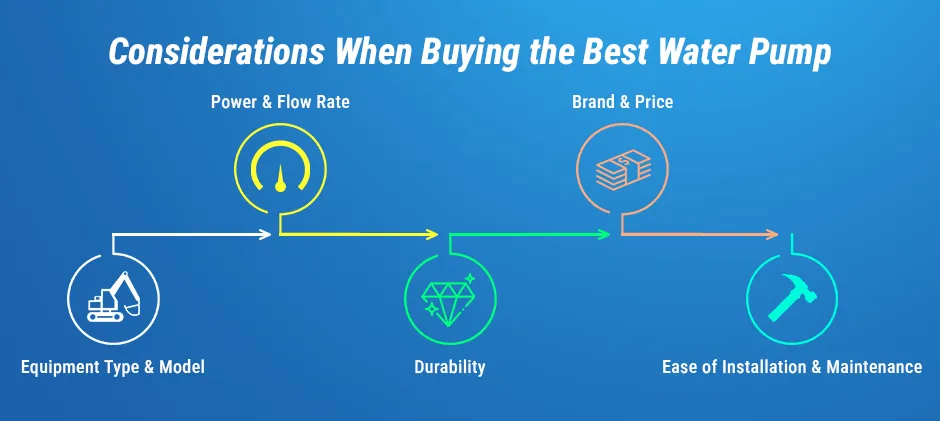
How to choose the best water pump for your heavy equipment
2026-09-21
Ultimate guide to choosing the best engine oil filter for tractor
2026-09-20