
2026-08-19
Coolant (antifreeze) helps the engine maintain normal temperature. It is normal for the coolant to heat up when the equipment is dry and heavy for a long time. But if your coolant starts boiling—something’s definitely wrong. Why is my coolant boiling? Either the cooling system can’t keep up with the heat, or there’s a fault in the system itself. It is better to be checked right now.
The function of engine coolant is to remove the heat generated by the engine. At the radiator, allow the airflow to blow away the heat, cool it down, and then return it to the engine to continue the cycle. The cooling system is operated under pressure (generally around 13–18 PSI for heavy equipment). In order to increase the boiling point of the coolant, it can still work stably under high temperature conditions.
If the coolant starts to boil, either the engine is too hot and the temperature has exceeded the boiling point of the coolant after it is pressurized. Either the cooling system is out of pressure, like a broken water tank cover, water leakage, etc. Either way, there’s something wrong with the cooling system. If not dealt with, the engine will overheat, the cylinder head will deform, the cylinder pads will burn, or even the engine to lock up.
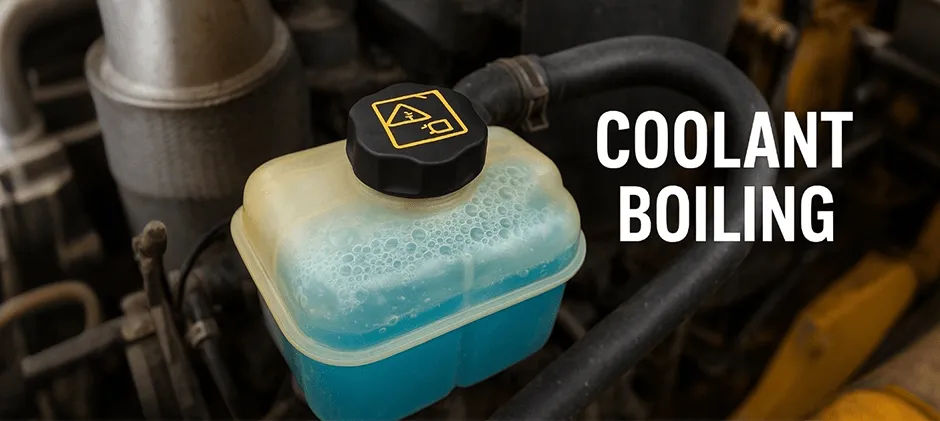
Why is my coolant boiling? Here are some of the common reasons.
When tractors and loaders work on the construction site, they will suck in a lot of dust, mud and debris. These things will block the heat sink and the coolant won’t get hot. The more you cycle, the hotter it gets, and finally it boils directly.
The radiator cap keeps system pressure, preventing the coolant from boiling at higher temperatures. The seal or spring in the lid is broken, and the pressure will fall. The coolant starts bubbling and boiling at normal temperature.
If the thermostat is stuck in the “off” position, coolant will be trapped in the engine and will not reach the radiator. The temperature will spike rapidly, boiling right away and causing overheating.
If the fan won’t spin or spins way too slowly, the radiator gets no airflow at all. Loose or slipping belts, faulty hydraulic motors, clutch failure, or broken solenoid valves—any of these can make the fan stop working properly.
The water pump is for driving the coolant circulation. If the impeller corrodes, the shaft seal leaks, or the interior is damaged, the coolant will not flow. The coolant will still boil quickly.
When the head gasket fails, the high-pressure gas in the combustion chamber will rush into the cooling system, and the coolant will be blown directly to boiling. White smoke or oil milky, frothy is also often seen.
Insufficient coolant or too much water can significantly reduce the system’s heat dissipation capacity and make it easier to boil. Leaks, mixing the wrong proportions, or using the wrong coolant are common causes.
A broken radiator cap is a common cause. Without pressure on the system, the coolant boiling point will become lower, so it will bubble more easily.
In addition, the air in the cooling system is discharged, or there is a slight leak in the head gasket, which brings in a small amount of gas and also causes the overflow tank to bubble. The water temperature gauge may not be abnormal at first. Simply put, what you see is usually localized boiling caused by insufficient pressure, rather than the engine actually overheating. At least for this moment, it wasn’t at dangerous temperatures.
The boiling point of the coolant is not fixed. It varies with the mixing ratio and system pressure. Common is a 50/50 coolant and water mixture. But in the cooling system of the machine, because the system is sealed and pressurized (generally 13–18 PSI), the boiling point is raised to approximately 265 °F(129°C).
Not always, and this is a very important distinction for diagnosis.
The first thing to do when you notice the coolant boiling is to shut it out immediately to avoid further damage. The machine is then allowed to cool completely. Never open the radiator cap while the engine is still hot. See what the specific problem is. Clean a clogged radiator. Replace radiator, thermostat, water pump, etc. If the fault is not obvious, have it checked by a professional technician. They have special tools, such as testers to detect head gasket leaks and equipment to detect system pressure, which can find the problem accurately.
Proactive maintenance is the best way to avoid costly cooling system failures.
You should watch for signs of coolant boiling, such as persistent bubbling or unusual engine temperatures. Never allow air to enter the pressurization system. In heavy equipment, cooling system failure is one of the most common failures. It is especially more likely to occur under high load, high dust and high ambient temperature working conditions. Therefore, if any signs is found in the operation, stop the machine for inspection in time. MechLink offers a variety of parts for your cooling system to help you get back to normal operation.
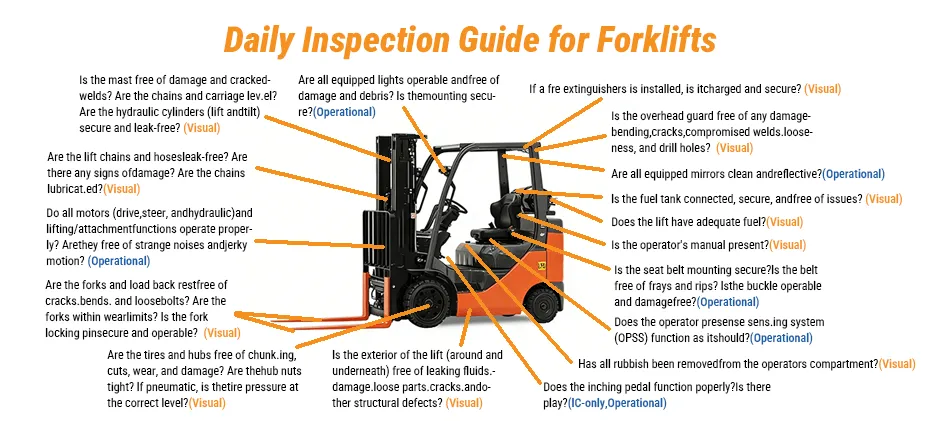
Forklift maintenance checklist: complete guide - fridayparts blog
2026-08-19
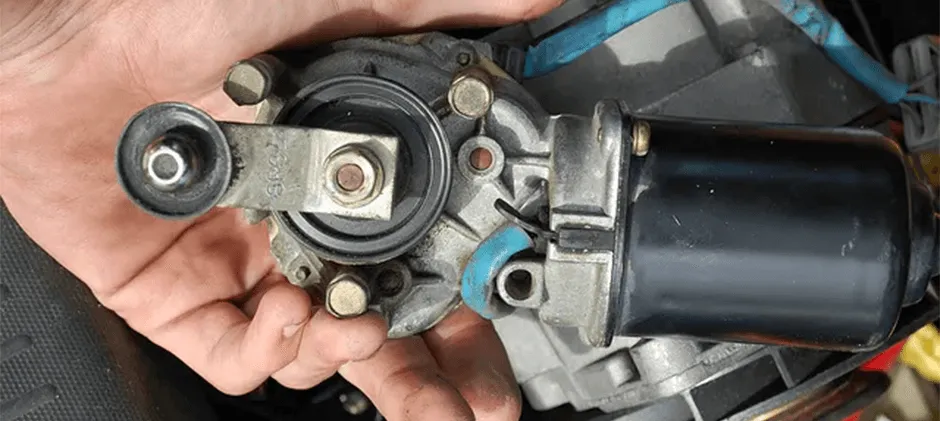
How to fix a bad wiper motor, the right way in 3 easy steps
2026-08-19
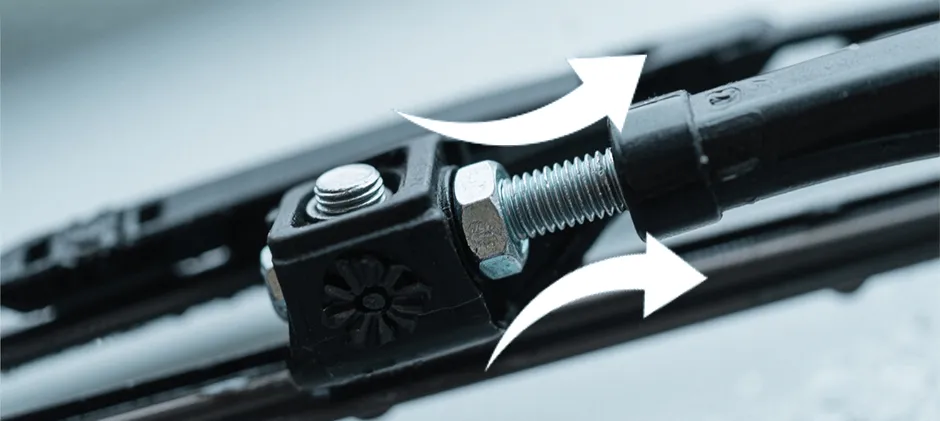
Get your wipers back in sync: the wiper motor reset method
2026-08-19
4 common bad blower motor symptoms
2026-08-18