2026-06-18
Downtime on off-road machinery usually starts small: a slight delay when shifting, a new whine under load, or a machine that suddenly feels “soft” on push power. When the root cause is a failing transmission pump, every extra hour of operation can turn a manageable repair into a full transmission or torque-converter job. In this guide, we’ll explain what makes a transmission pump fail, the 8 most useful symptoms to watch for, and how we can maintain the system so our machines stay productive instead of parked.
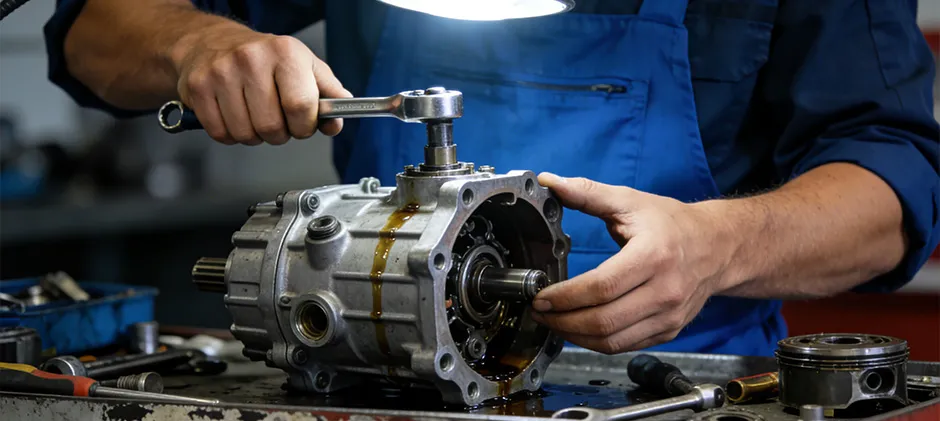
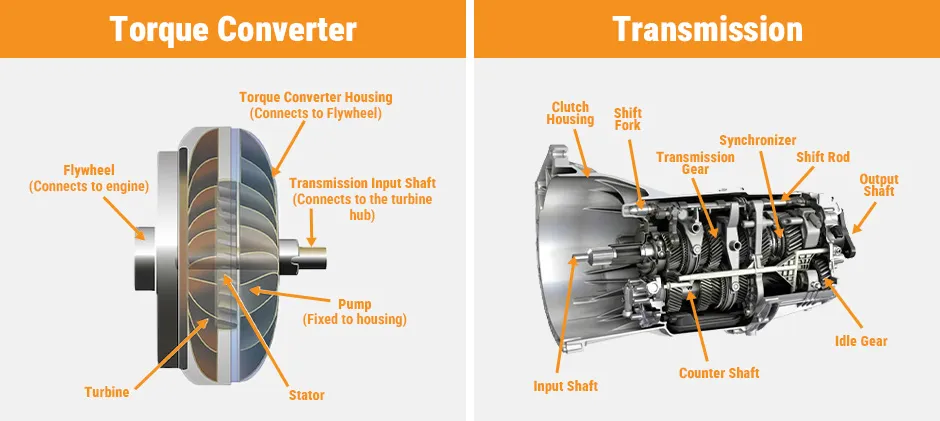
A transmission pump pressurizes and circulates transmission oil so clutches, valves, gears, and (if equipped) the torque converter get the flow they need for lubrication, cooling, and hydraulic control. In off-road conditions—slow speed, high load, dust, heat, frequent direction changes—the pump is under constant stress. Failures usually come from a few repeat patterns.
Low oil reduces the inlet supply; aeration introduces bubbles that compress and collapse under pressure. Both conditions can cause:
Common sources: leaks at seals/lines, loose fittings, damaged cooler lines, or incorrect fill procedure.
Off-road machinery lives in grit. Once contamination gets into the transmission circuit, the pump and valve body see abrasion. Fine particles can score pump housings, stick valves, and accelerate clutch wear—then the cycle feeds itself (more clutch debris → more restriction → more heat).
A pump can’t move oil because it can’t access it. Restrictions at the suction side are especially damaging because they promote cavitation. Restrictions on the pressure/return side elevate temperatures and can starve critical circuits.
Hot oil thins. Thin oil reduces film strength and increases internal leakage, so the pump works harder to maintain pressure. Repeated overheating also hardens seals and shortens clutch life.
Many pumps are driven mechanically (gear-driven or via a converter hub). Worn bushings, damaged couplers, or misalignment can cause abnormal noise, reduced output, and rapid internal wear.
Transitioning from causes to symptoms: once any of the above start, the first thing that changes is pressure stability—and pressure stability is exactly what operators feel in day-to-day performance.
Below are the signs that most reliably point to a transmission pump problem (or to conditions that will soon kill one). We’re focusing on what we can observe on off-road machinery: loaders, dozers, backhoe loaders, telehandlers, forklifts, tractors, and similar equipment.
If we shift into forward/reverse and the machine hesitates before moving, the pump may be slow to build pressure. Cold oil can mask issues—until it doesn’t—so delays that worsen over time matter.
A weak transmission pump may not maintain clutch pack applied pressure. That can feel like:
This symptom is expensive if ignored, because clutch packs can overheat quickly when they slip.
When pressure is unstable, shift timing becomes unpredictable:
It’s tempting to blame electronics first, but pressure problems can create the same behavior.
A healthy hydraulic circuit has some normal sound, but a new, sharper whine often points to aeration, cavitation, or a restricted inlet—conditions that damage the transmission pump quickly.
Because the transmission pump is a key part of oil circulation, low flow can raise temperature fast—especially in stop-and-go loader work or long uphill travel.
If you’re troubleshooting heat and planning repairs, it often helps to review both pump options and related components together. MechLink organizes pump options here: transmission pump (built specifically around off-road machinery applications).
Foam indicates aeration; milky oil can indicate water contamination. Both reduce lubrication and pressure stability, and both can lead to pump damage.
If we cut open a transmission filter and find:
We should treat it as a system problem, not “just a filter.” Debris can score the pump and stick valves, which then causes more clutch slip and more debris.
At this stage, it’s smart to source not only a pump but also the wear items that typically go with pressure and clutch issues. A broader category, such as transmission parts, can be useful when we need bearings, clutch discs, universal joints, coolant line components, and other drivetrain pieces to support a complete fix.
On machines that shuttle frequently, the first operator complaint is often: “Forward is strong, reverse is lazy,” or the other way around. That can happen when apply pressure is marginal or when internal leakage increases. Even if the pump isn’t the only issue, a weak transmission pump makes direction changes harder on clutches and increases heat.
| What we notice | Likely hydraulic meaning | Immediate risk | What we should do next |
| Delayed engagement | Slow pressure build / drainback | Clutch heat, wear | Verify level, pressure test, and inspect suction restrictions |
| Slipping/flare under load | Low or unstable pressure | Rapid clutch damage | Stop heavy work; check filter; pressure/flow test |
| Harsh or erratic shifts | Pressure spikes or control instability | Driveline shock, gear wear | Inspect oil condition; check valves/solenoids after pressure is confirmed |
| Whine/growl with RPM | Cavitation/aeration/restriction | Pump erosion | Check suction lines, screens, and seals; confirm correct oil |
| Overheating | Column 2 Value 5 | Seal failure, clutch burn | Check cooler/lines; verify flow; reduce load until fixed |
| Foamy/milky oil | Low flow or high internal leakage | Loss of lube, corrosion | Find air leak/water source; flush and refill correctly |
| Filter debris | Component wear (pump/clutches/bearings) | System-wide damage | Cut filter; inspect magnet; plan teardown scope |
| Uneven F/R response | Marginal pressure or leakage | Accelerated clutch wear | Pressure test in both directions; inspect clutches/valves |
Maintenance is less about “babying” the machine and more about protecting oil supply, pressure stability, and temperature control. Here’s what tends to work well in off-road service.
Some machines must be checked hot, at idle, in neutral, and after cycling functions. If we check it wrong, we can accidentally run low (or overfill), both of which cause aeration and heat.
A restricted filter can starve the transmission pump inlet or force bypass events that circulate debris. Use the service interval that matches your duty cycle (dust, heat, shuttle work), not just the calendar.
Transmission temperature is a leading indicator. For machines that do repeated shuttle cycles or long pushes:
A weak transmission pump often shows up as a slip. Slip overheats clutches. Even if we install a new pump, worn friction elements can keep contaminating the fluid and drag the new parts down.
If your repair plan includes friction elements, release bearings, or related clutch hardware, sourcing from a dedicated category like clutch parts can help streamline the rebuild and reduce mismatched components during ordering.
When we’re already opening the system, it’s usually cheaper (in downtime and shipping) to group the common components:
Aftermarket can be a strong value when specs and compatibility are correct. For off-road machinery owners managing fleets or long service lives, the goal is reliable uptime at a controlled cost. MechLink positions itself as an aftermarket supplier with high-quality products at affordable prices, vast inventory, and wide compatibility across many heavy equipment brands—useful when we need to match parts to specific machine configurations quickly.
A failing transmission pump usually shows up first as pressure and heat problems: delayed engagement, slipping, odd shifts, whining, overheating, foamy fluid, and debris in the filter. If we catch these early, we can often prevent clutch and converter damage. Maintain the system by keeping fluid correct, filters flowing, and temperatures controlled—and plan repairs as a system, not a single part. With a broad aftermarket inventory and wide compatibility, MechLink can help reduce downtime and keep machines working.