
2026-10-02
The tractor oil filter is also called the engine oil filter. Your tractor is like a powerhouse, a vital piece of equipment for countless tasks. Many tractor parts work together to keep the iron machine running, and one of them, the engine, is the one that provides the major power. To keep your tractor engine running smoothly, the small but mighty component, the tractor oil filter, plays a huge role. The filter keeps the dirt, mud, and other contaminants out to ensure oil purity. Choosing the right engine oil filter isn’t just about grabbing any filter off the shelf; it’s about protecting your investment and ensuring peak performance. But with so many options available, how do you select the best one for your specific needs?
This guide will walk you through the essential factors to consider, helping you make an informed decision to keep your tractor’s engine healthy and efficient for years to come.
Think of the tractor engine oil filter as the kidney of your tractor’s engine. Engine oil circulates constantly, lubricating moving parts and carrying away heat. However, it also picks up harmful contaminants along the way – tiny particles of metal from wear, soot from combustion, dirt sucked in from the environment, and sludge formed from oil breakdown.
What happens if you don’t replace the tractor oil filter on time? I can tell you that without an effective filter, these contaminants would circulate freely, causing abrasive wear on critical engine components like bearings, pistons, and cylinder walls. This leads to:
A good tractor oil filter traps these harmful particles, keeping the oil clean and allowing it to do its job effectively. Regularly replacing it with the correct filter is a fundamental part of tractor maintenance.
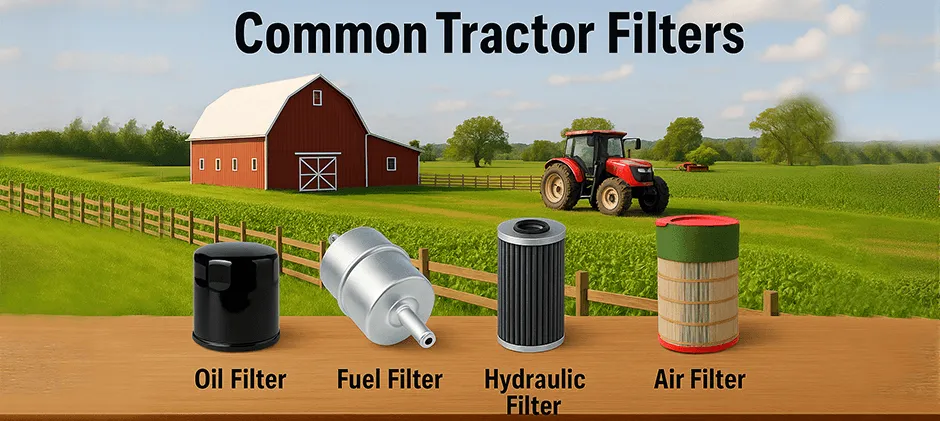
How do you know what type of oil filter you need? While variations exist, most tractors use one of two main types of oil filters:
For most users reading this, you’ll likely be dealing with spin-on oil filters.
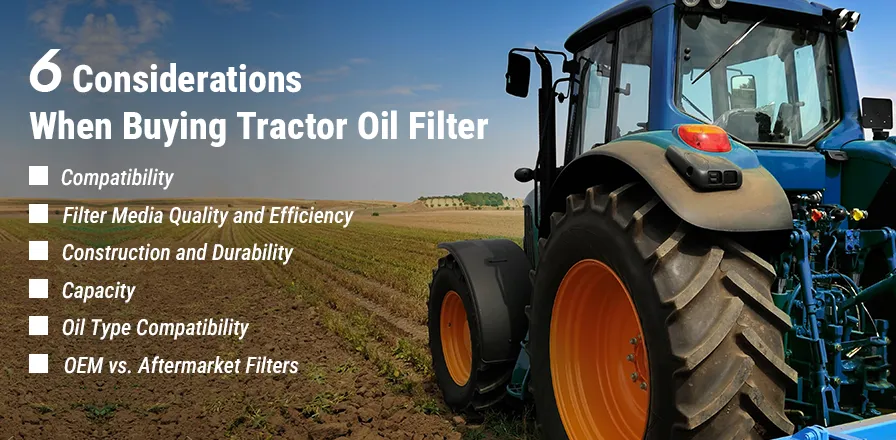
Selecting the right filter involves more than just matching the thread size. Here’s what you need to look at:
Compatibility is non-negotiable. The filter must be designed for your specific tractor. Check your tractor’s owner’s manual – it’s the ultimate authority. You’ll need to know:
Using an incompatible filter can lead to leaks, improper filtration, oil starvation, or even difficulty installing it.
The filter media is the material inside the filter that actually traps the contaminants. The quality and type of media significantly impact performance.
Efficiency Rating: Filters are often rated by their ability to remove particles of a certain size (measured in microns). A higher efficiency rating means the filter traps more, smaller particles. While complex standards like ISO 4548-12 or Beta Ratios exist, generally look for filters known for high efficiency, especially if using synthetic oil or operating in demanding conditions.
A filter is more than just its media. Look for robust construction:
This refers to how much dirt and contaminants the filter can hold before it becomes clogged and goes into bypass mode. Higher capacity generally means longer effective filter life, especially important for tractors working in dusty environments or operating for long hours. Synthetic media usually offers higher capacity.
Ensure the filter you choose is compatible with the type of engine oil you use (conventional, synthetic blend, full synthetic). High-performance synthetic oils benefit most from filters with synthetic media designed to handle their properties and potentially longer change intervals. Using a basic cellulose filter with expensive synthetic oil might not give you the full benefit of the oil.
Choosing a reliable aftermarket tractor engine oil filter from a trusted supplier can offer excellent value without compromising protection.
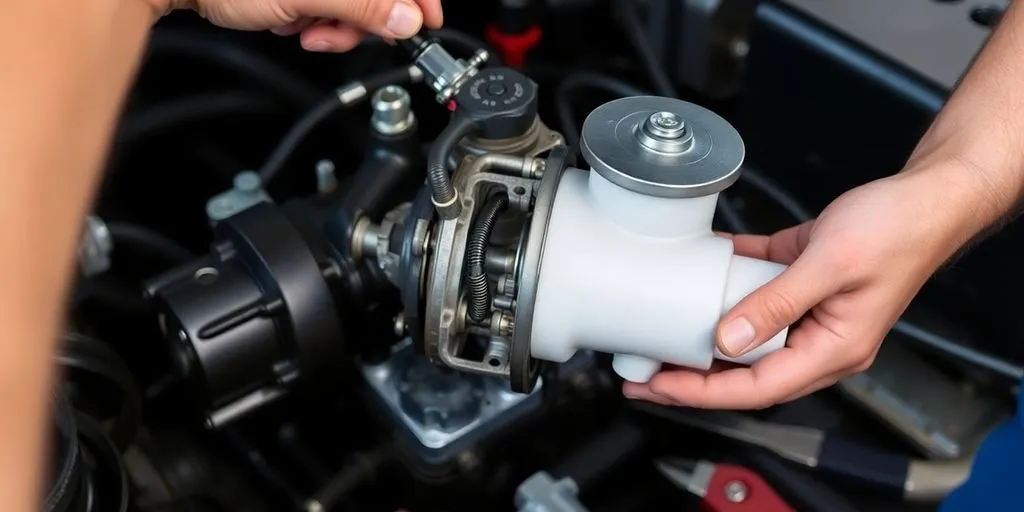
Finding the specific part number for your tractor oil filter is crucial for ensuring compatibility. Here’s how:
Always follow the maintenance schedule outlined in your tractor’s owner’s manual. This is typically based on operating hours (e.g., every 100, 200, or 500 hours) or a time interval (e.g., annually), whichever comes first.
Crucially: Always replace the engine oil filter every time you change the engine oil. Never try to save a few dollars by reusing an old filter with fresh oil – this contaminates the new oil immediately, defeating the purpose of the oil change.
Consider changing the filter more frequently if you operate your tractor under severe conditions, such as:
Choosing the best tractor oil filter is a critical step in maintaining your equipment’s health and longevity. By focusing on the aforementioned 6 key considerations, including compatibility, quality, capacity, understanding filter media and construction, and considering your operating conditions and oil type, you can select the best tractor filter that provides your machine with optimal protection. Whether you choose OEM or a high-quality aftermarket option, never compromise on this essential component.
At Fridayparts, we understand the importance of reliable parts for your heavy equipment. We offer a vast inventory of high-quality aftermarket tractor engine oil filters and engine oil filters designed for high quality, all at affordable prices. With wide compatibility across many major tractor brands, such as Kubota, John Deere, CASE, Massey Ferguson, and more, finding the right fit is easy. Browse our selection online or contact us today – let us help you find the perfect tractor oil filter to keep your machine running strong!
What types of john deere parts are available for vintage tractors?
2026-10-02
Kubota l series tractor oil filter lookup & maintenance tips
2026-10-01
What are the most commonly replaced jlg parts?
2026-10-01
Lift control box buying & maintenance guide
2026-09-30