
MechLink Logo
เปœเป‰เบฒเบซเบฅเบฑเบย  >ย เบ‚เปเป‰เบกเบนเบ™ย  >ย How to clean the dpf on a cummins?

How to clean the dpf on a cummins?

2026-07-29

FacebookLinkedinTwitterWhatsapp

When our off-road machine starts doing frequent regens, losing power under load, or throwing aftertreatment warnings, the problem is often not โ€œbad luckโ€โ€”itโ€™s a diesel particulate filter (DPF) thatโ€™s filling with soot or ash. This guide explains why Cummins DPF cleaning matters, how we can clean a DPF safely (from simple on-machine steps to off-machine cleaning), and what benefits to expectโ€”so we reduce downtime and avoid replacing parts that are still salvageable.

Why Do You Need Cummins DPF Cleaning?

A DPFโ€™s job is straightforward: it traps soot (carbon particles) in the exhaust so the machine releases fewer particulates. Over time, two different materials build up inside the filter:

  • Soot: mostly carbon from combustion. Soot can often be burned off through DPF regeneration (regen).
  • Ash: non-combustible residue (commonly from engine oil additives and normal wear). Ash does not burn off in regen cycles. It accumulates slowly until the filterโ€™s flow capacity drops.

That โ€œslow fillโ€ is why a machine can look fine for months, then suddenly start doing constant regens or derating at the worst time.

Common off-road conditions that accelerate DPF loading

Off-road duty cycles often make DPFs work harder than steady highway use. These patterns push soot faster than the system can clear it:

  • Long idle time (waiting, staging, warming up, guarding)
  • Low-load operation (light grading, slow travel, short cycles)
  • Cold weather starts, and short run time (exhaust never gets hot enough)
  • Poor fuel quality or water contamination
  • Engine issues that raise soot output: leaking injectors, low boost, restricted air flow, EGR faults (where equipped)

Why cleaning is not optional maintenance

If you ignore a restricted DPF, the machine typically responds with:

  • Higher exhaust backpressure (harder on turbo and valves)
  • More frequent regens (burning extra fuel and stealing work time)
  • Derates, limp mode, or shutdown protections
  • Higher heat in the aftertreatment system (risking substrate damage)

Cleaning at the right time is usually cheaper than letting the DPF reach a failure state.
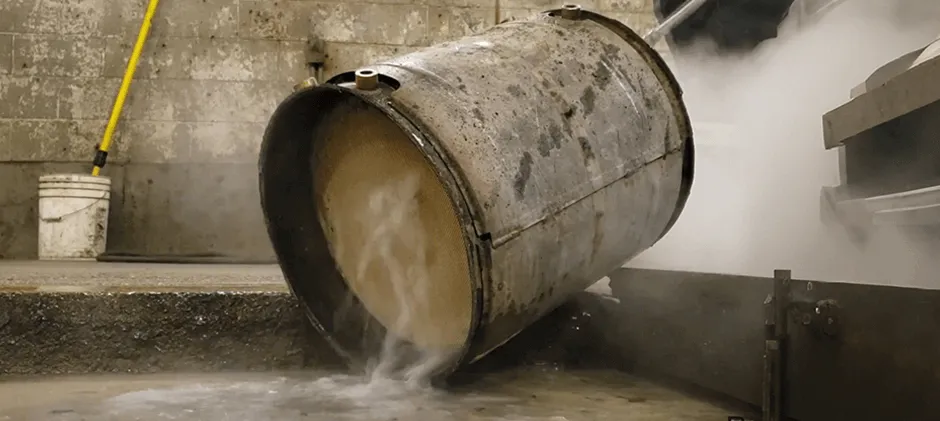
How To Clean The DPF On A Cummins

How To Clean The DPF On A Cummins?


There isnโ€™t one โ€œmagicโ€ method. The right approach depends on whatโ€™s in the DPF (soot vs ash), how restricted it is, and whether the engine has a root cause that will immediately re-clog the filter.

Below is a practical, jobsite-friendly progression you can follow.

Step 1: Confirm itโ€™s a DPF restriction

Before any cleaning, you should verify the basics. Faulty readings can trigger a โ€œDPF fullโ€ message.

Quick checks:

  • Inspect wiring/connectors for DPF differential pressure and temperature sensors
  • Look for exhaust leaks upstream of the DPF (they can skew readings)
  • Check for abnormal smoke, rough idle, fuel dilution smell in oil (points to fueling issues)
  • Review regen history (if the display or tool provides it): regens getting more frequent is a strong signal

If the engine is over-fueling or burning oil, any cleaning will have short-lived results. Fix the cause first or in parallel.

Step 2: Use regeneration correctly

DPF regeneration is the systemโ€™s built-in soot management process. For off-road equipment, this may happen:

  • Passive regen during hot, steady work
  • Active regen initiated by the system
  • Parked/forced regen initiated by the operator (if allowed)

Operational tips that help regen succeed:

  • Avoid interrupting regen cycles repeatedly unless safety requires it
  • Run the machine under a steady load when possible (stable exhaust temperature helps)
  • Keep the cooling system and charge-air system healthy so combustion stays clean

If regens complete successfully but warnings return quickly, ash loading is likely increasing, or the engine is making excessive soot.

Step 3: Consider approved DPF cleaning additives

Some operators use fuel-borne additives marketed as DPF cleaners. In practice, additives may help with light soot-related symptoms, but they are not a cure for:

  • Heavy ash loading
  • Melted/cracked substrate
  • Oil/coolant contamination inside the DPF

If you choose this route, you should treat it as a short-term aid and follow the machineโ€™s guidance. If the restriction is severe, additives wonโ€™t restore flow and can delay proper service.

Step 4: Remove the DPF for professional off-machine cleaning

When ash is the main issue, the most reliable path is off-machine cleaning using dedicated equipment that measures restriction and flow before/after.

General removal workflow

Because layouts vary by machine, youโ€™ll keep this process general and always follow the service manual:

  1. Cool down fully: Aftertreatment components can stay dangerously hot.
  2. Lock out / tag out: Isolate batteries, prevent accidental start.
  3. Label and disconnect sensors: EGT and pressure sensor lines/connectors.
  4. Remove shields and supports: Heat shields, brackets, and clamps.
  5. Extract the DPF module carefully: Avoid impactsโ€”off-road vibration already stresses housings.
  6. Cap ports and protect sensors: Keep debris out during transport.

Common off-machine cleaning methods

A reputable shop typically uses one or a combination of:

  • Thermal cleaning (controlled heating) to break down soot
  • Pneumatic/air pulse cleaning to dislodge ash from channels
  • Aqueous cleaning (controlled wash + drying) on certain filter types
  • Flow testing (verifies whether the filter is actually restored)

What you want from a provider is not just โ€œit looks clean,โ€ but documented before/after results.

Step 5: Reinstall correctly and verify regeneration behavior

After reinstall:

  • Confirm sensors are installed correctly and not swapped
  • Check for exhaust leaks and proper clamp alignment
  • Clear codes (as required) and run the appropriate relearn or verification steps
  • Monitor regen interval over the next shiftsโ€”this is how you confirm the fix

When DPF cleaning will NOT work

Cleaning is not always possible. Replacement is usually required when the filter has:

  • Melted substrate (often from uncontrolled high heat)
  • Cracked ceramic/honeycomb
  • Oil or coolant โ€œcementingโ€ the channels (root cause must be fixed)
  • Physical deformation from impacts or severe vibration

A good cleaning provider will flag these conditions during inspection/testing.

What are the Benefits of Cummins DPF Cleaning?

The real goal of Cummins DPF cleaning is not just clearing a warning lightโ€”itโ€™s restoring predictable work output and protecting expensive components.

1) Less downtime and fewer surprise derates

A clean DPF reduces backpressure and makes regen events less frequent. That means fewer interrupted cycles and fewer โ€œwe have to stop right nowโ€ situations.

2) Better power delivery under load

Restricted exhaust flow can limit turbo efficiency and raise exhaust temperatures. Once flow is restored, you typically see:

  • Smoother response
  • More stable boost behavior
  • Less hunting during heavy work

3) Lower operating cost versus replacement

DPF replacement can be expensive. If the substrate is intact, cleaning is often the most cost-effective option.

4) A chance to catch engine problems early

DPF restriction is sometimes the symptomโ€”not the disease. During a cleaning cycle, DPF restriction is sometimes the symptomโ€”not the disease. During a cleaning cycle, we often uncover root causes such as injector issues, air intake restriction, or oil consumption. often uncover root causes such as injector issues, air intake restriction, or oil consumption.

Practical Maintenance that Helps a Clean DPF Stay Clean

If you clean the DPF but ignore the rest of the system, the machine can re-clog quickly. The best โ€œDPF strategyโ€ is usually a system strategy.

Here are parts and maintenance areas that directly affect soot output and aftertreatment health:

  • Fuel filtration: Dirty fuel or water contamination can damage injectors and worsen combustion. If youโ€™re chasing soot and rough running, starting with a fresh Cummins fuel filter is often a smart move.
  • Cold-start support: Cold combustion increases soot. For machines working in winter or high elevations, a Cummins block heater can reduce cold-start strain and help the engine reach stable operating temperature sooner.
  • Oil temperature control: Overheating or unstable oil temperatures can accelerate oil breakdown and contribute to deposits. If you suspect cooling-related stress, inspecting the oil cooling circuitโ€”and replacing a worn Cummins oil cooler when neededโ€”helps protect the engine and aftertreatment.
  • General service parts availability: When youโ€™re managing a mixed fleet, it helps to source components from one catalog with wide compatibility. For common service needs, keeping a shortcut to Cummins parts can reduce ordering delays.

None of these replace DPF cleaningโ€”but they make DPF cleaning last.

Quick diagnostic table

Symptom in off-road operation Likely pattern What to do next
Regen frequency increases week over week Ash accumulation or higher soot output Plan off-machine cleaning; check injectors/air system
Power loss + high exhaust temps Restriction and heat buildup Stop heavy load, inspect for restriction, verify sensors, schedule cleaning
โ€œDPF fullโ€ returns right after successful regen Ash loading or false readings Check differential pressure sensor lines; consider flow-tested cleaning
White/blue smoke, oil use increases Oil entering the exhaust Fix the engine issue first; DPF may be oil-contaminated
Sooty smoke, rough idle Over-fueling / poor combustion Inspect fueling/air; replace filtration; clean DPF after root cause

A Short Checklist before You Send a DPF Out for Cleaning

  • Record fault codes and regen history
  • Confirm the machine isnโ€™t burning oil or leaking coolant into the exhaust.
  • Inspect sensor hoses/lines for plugging or damage
  • Plan new gaskets/clamps if the hardware is worn
  • Choose a shop that provides before/after flow results

Conclusion

Cummins DPF cleaning is one of the best ways to restore power, reduce regen frequency, and prevent unplanned downtimeโ€”especially in off-road duty cycles with long idle and variable loads. If the filter isnโ€™t cracked or melted, cleaning plus basic supporting maintenance (fuel filtration, cold-start help, oil cooling) usually delivers the best cost-to-uptime result. As an aftermarket supplier, MechLink supports this work with affordable, high-quality options and wide compatibility across heavy equipment brands.
เบเบฒเบ™เบ›เปˆเบญเบ™เปƒเปเปˆ

Mechlink:What type of hydraulic fluid does your kubota tractor need?
Product knowledge

What type of hydraulic fluid does your kubota tractor need?

2026-10-14
Mechlink:7 solenoid valve types: which one do you need?
Product knowledge

7 solenoid valve types: which one do you need?

2026-10-14
Mechlink:The best tractor for small farm in 2026
Product knowledge

The best tractor for small farm in 2026

2026-10-13
Mechlink:How much does a kubota skid steer & compact track weigh?
Product knowledge

How much does a kubota skid steer & compact track weigh?

2026-10-13