2026-08-01
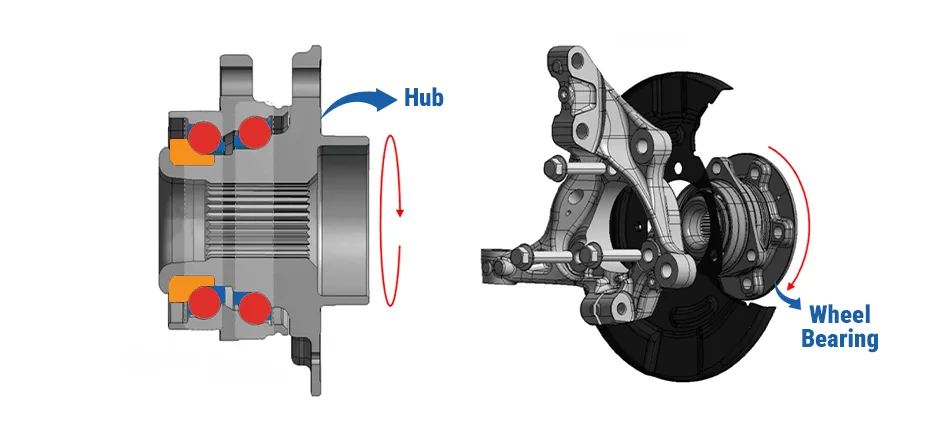
A new grinding or roaring noise from your excavator or loader is not “normal.” It can be a warning from the wheel bearing. A wheel bearing helps the wheel turn smoothly while carrying a heavy weight. If it fails and you keep working, you can damage the hub, axle parts, and brakes—and you can put the operator in danger. This guide explains the signs to watch for, what can happen if you ignore them, and what to do next to stay safe and reduce downtime.
A wheel bearing usually gives warning signs before it fails. Your job is to notice them during daily checks and while operating.
Unusual noise is the most common sign. The sound often gets louder as you drive faster. It may also change when you turn. Listen for:
Simple tip: If the noise changes when you turn left or right, a bearing may be the cause.
A bad bearing can create extra space inside the wheel hub. This can make the wheel feel loose or wobbly. This is dangerous and can mean the bearing is close to failing.
To check as safely as possible:
Clear rule: A wheel should not wobble. If it does, stop work and inspect.
A failing bearing creates friction, and friction makes heat. After running the machine, carefully check the hub area.
One hub much hotter than the others is a warning sign. For a safer check, use an infrared temperature gun instead of touching the hub.
Simple comparison helps: Check all hubs. The odd one out is the problem spot.
A wheel bearing uses grease (or oil, depending on design) and seals to keep dirt and water out. When a seal is damaged, grease or oil can leak.
Look for:
Why this matters: A leak lets dirt and water in, which can ruin the bearing quickly.
Ignoring a bad wheel bearing almost always leads to bigger damage. It is not a problem to “wait and see.”
“A failing wheel bearing is not a risk; it’s a countdown. The question isn’t if it will fail, but when.”
The worst case is the wheel assembly coming off during operation. On heavy equipment, this can cause a loss of control or even a rollover, especially on rough ground or slopes.
Simple truth: A detached wheel can turn into a serious accident.
When a bearing breaks apart, it can damage nearby parts. This often includes the hub, spindle, seals, brake parts, and axle components.
What could be a bearing job can become a full wheel-end rebuild. That means more downtime and higher costs.
Even before full failure, a loose wheel can make steering feel strange and the machine less stable. This is more dangerous when carrying heavy loads.
Clear warning: If the machine feels unstable, stop and check it.
If you suspect wheel bearing trouble, act right away. Do not keep pushing the machine.
Stop work as soon as you can do so safely. Park on firm, level ground away from traffic and hazards.
Priority: Protect the operator and anyone nearby.
Once the machine is secured, check the key signs:
Good notes help: Write down which wheel, what you heard, and what you saw. This repairs faster.
Wheel bearing work on heavy equipment often needs special tools and correct settings for preload and torque. A wrong installation can cause another quick failure.
Simple guidance: If you don’t have the right tools and specs, don’t guess—get qualified help.
Good habits can help wheel bearings last longer and reduce surprise breakdowns.
Use the correct grease or oil recommended by the manufacturer. Follow service intervals and use clean tools.
Important: Do not mix greases unless you know they are compatible.
Add quick checks to your walk-around:
Small checks can prevent big repairs.
Operator habits matter. Hard impacts and shock loads can shorten bearing life.
Try to avoid:
Simple idea: Smooth driving equals less stress on bearings.
A wheel bearing often warns you before it fails. If you hear new roaring or grinding, feel wheel wobble, notice heat, or see grease leaking, stop and check it. Catching the problem early helps keep the operator safe and reduces damage and downtime.
If a replacement is needed, choose a correct-fit, durable bearing from a reliable supplier like MechLink and follow the proper install specs for your machine.