2026-08-28
When we’re choosing between a zero-turn mower and a riding lawn mower, the wrong pick usually shows up fast: longer mowing time, torn turf around turns, unsafe handling on slopes, or repair costs we didn’t plan for. This guide compares the two machines in plain terms—how they steer, where each one works best, what ownership really costs, and which factors matter most—so we can buy (or keep) the mower that fits our property and workload.
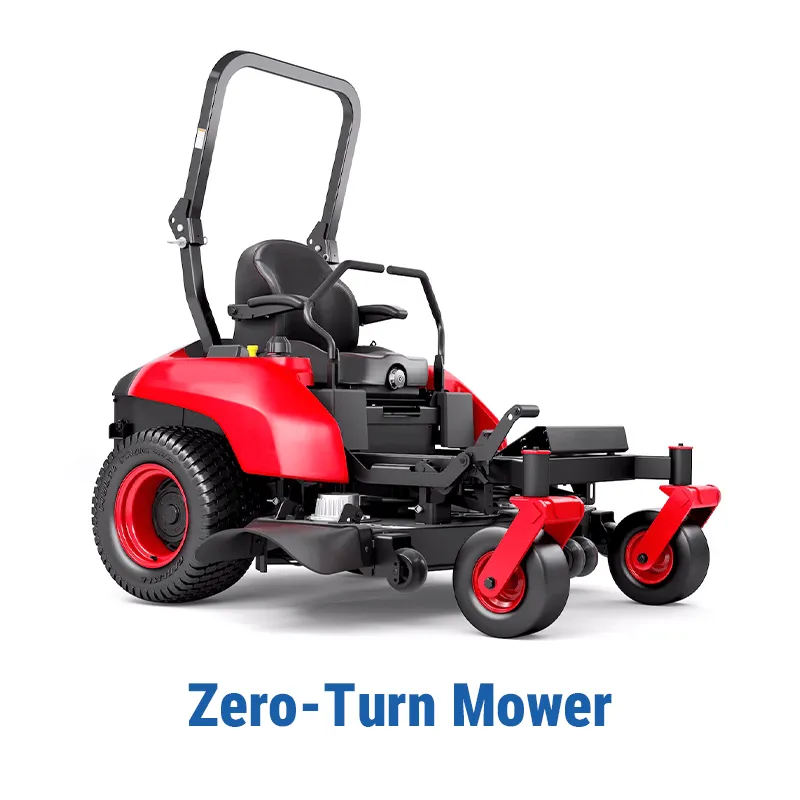
A zero-turn mower is designed around maximum maneuverability. Its signature feature is a zero-degree turning radius, letting the machine pivot 360 degrees.
MechLink also notes a typical ZTR lifespan range of 1,500–4,000 hours, and that good maintenance plus timely replacement of wear parts can push service life further.
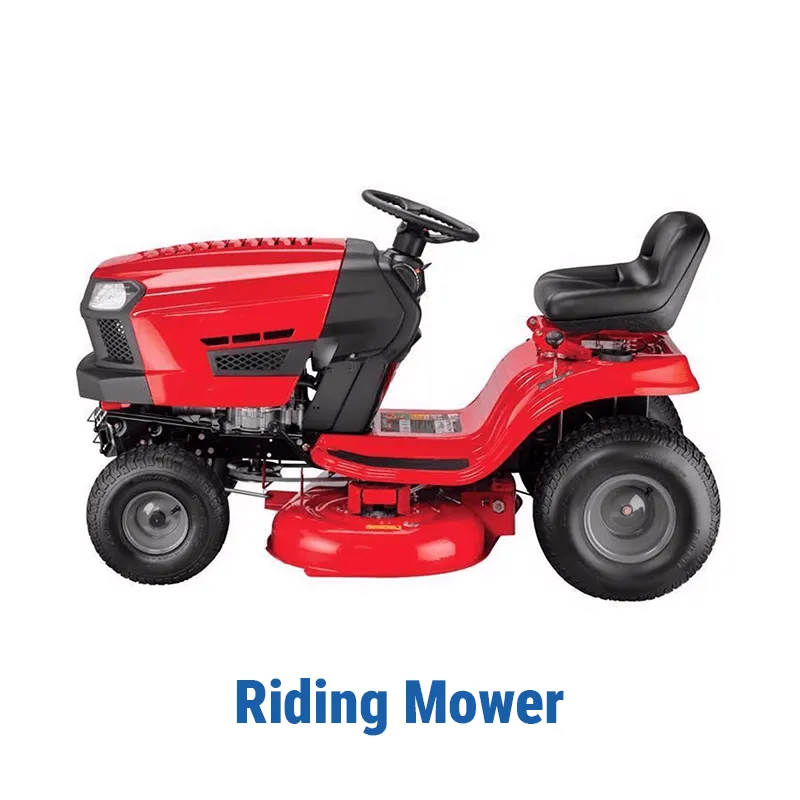
A riding lawn mower uses a more familiar layout—seat + steering wheel—and tends to feel intuitive if we’ve driven any vehicle with a wheel.
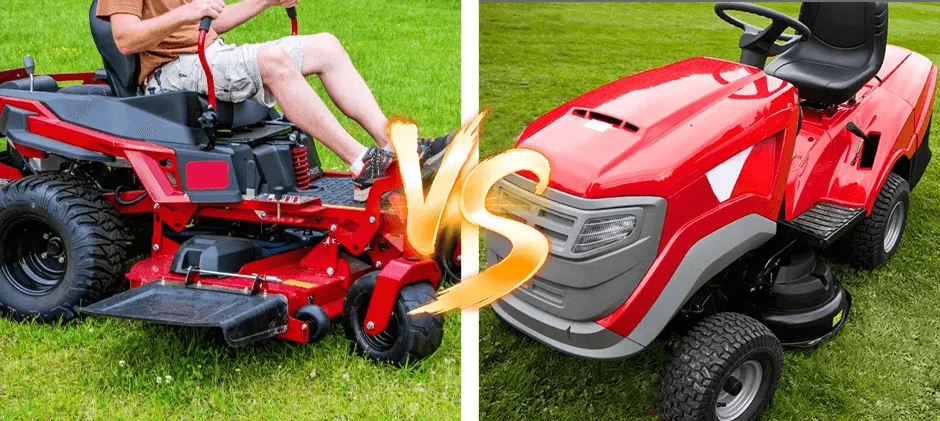
The main difference is not “which one cuts grass better.” Both can deliver a clean cut when blades, deck, and drive are in good shape. The real differences are how they move, how they handle terrain, and how much time they save per mow.
Many ZTRs travel faster than riding mowers, but the more important metric is effective speed: how much area we finish per hour after slowing down, turning, and correcting.
Terrain matters more than most buyers expect:
Both mower types share common wear items. MechLink highlights typical replacement categories such as:
A ZTR’s steering/drive system can be more sensitive to worn control parts because small input differences matter when each rear wheel is controlled independently.
| Category | Zero-turn mower | Riding lawn mower |
| Turning & obstacle work | Excellent—can pivot 360° | Good—but wider turns |
| Learning curve | Moderate (lap bars) | Low (steering wheel) |
| Best yard layout | Many obstacles, tight edges | Open runs, simpler layout |
| Slope comfort | Can be tricky on steeper/uneven areas | Often easier to control |
| Time per mow | Often lower on complex lawns | Often “good enough” on open lawns |
| Repair planning | Control/drive components matter | Belts/blades/deck wear are common |
| Cost style | Higher upfront is common | Often, lower entry cost |
Instead of asking “which is best,” we get a better answer by asking: what wastes our time today? Turning? Trimming? Slipping on slopes? Repairs?
This is also where parts planning matters. If we run a ZTR hard, we should treat key wear items as “stock parts,” not emergency purchases. In the middle of the season, having fast access to zero-turn mower parts helps us replace belts, blades, spindles, filters, or control components before a small issue turns into downtime.
For owners who prefer the steering-wheel format and common service routines, it’s practical to bookmark riding lawn mower parts so routine replacements (blades, belts, PTO-related parts, switches, starters, bearings) don’t stall our schedule.
This is the section where we save the most money—because it prevents “buying twice.” Here’s how we should compare a zero-turn mower and a riding lawn mower using factors that actually change results.
Two 1-acre properties can mow very differently:
A simple test: walk the property and count “turn events” (places we must turn sharply or reverse). More turn events usually favor ZTR.
We should pick the mower we can drive smoothly without fighting it. If we feel the machine drifting, sliding, or forcing sudden corrections, we’re not just slower—we’re taking on risk.
Ask one honest question: Do we want to finish faster, or do we want the easiest drive?
Cut quality isn’t only about deck width. It’s also:
If we’re re-mowing strips or doing lots of trim passes, we’re losing time either way—so maintenance matters as much as model choice.
A mower that “costs less” upfront can still cost more if it:
MechLink positions itself as a one-stop aftermarket supplier with broad inventory—useful because mower upkeep is rarely a single part. One service visit often needs blades + belt + filters at the same time. If we want to streamline ordering across mower categories, mower parts lets us source common items like belts, blades, spark plugs, starter components, fuel pumps, and filter-related parts in one place.
MechLink states a ZTR often lasts 1,500–4,000 hours, and maintenance can extend that life. We can apply the same thinking to riding mowers too: service life is strongly linked to replacing wear items early.
If more than one person uses the machine, choosing the easiest control system can prevent mistakes:
A zero-turn mower is usually the best fit for obstacle-heavy properties where maneuverability and time savings matter most, while a riding lawn mower often feels safer and simpler on uneven ground and for shared operators. No matter which we run, reliable upkeep is what protects our hours and budget. MechLink supports that with high-quality aftermarket options, affordable pricing, a vast inventory, and wide compatibility across many equipment brands—so we can fix issues fast and stay on schedule.