
MechLink Logo
မူလ  > သတင်း  > Master warning light toyota: meaning, causes, and owner actions

Master warning light toyota: meaning, causes, and owner actions

2026-07-07

FacebookLinkedinTwitterWhatsapp

On Toyota industrial equipment—especially Toyota forklifts—the master warning light generally indicates an active warning condition that the operator should verify on the dash/display (sometimes tied to an ECU code, indicator pattern, or message). It’s a notification, not a diagnosis by itself. For a deeper understanding of what your machine is telling you, check our guide on Toyota Forklift Dashboard Symbols and Meanings.

What to Do First: A 3-Step Checklist

  • Check other warning lamps (oil pressure, coolant temp, charging, engine fault).
  • Read the display/message and note any code/pattern.
  • If performance changes or a critical lamp is present, stop and investigate.

Stop and shut down safely if you see:

  • Oil pressure warning, severe overheat, strong fuel smell, smoke, or abnormal noise.

5 Common Reasons the Master Warning Light Is On

Toyota forklift/industrial warnings often trace back to:
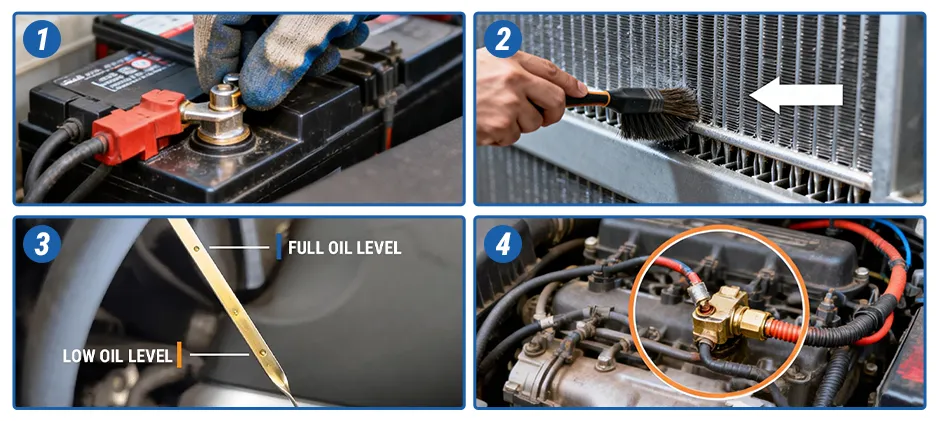
4 Quick Checks for Operators

4-step maintenance checklist for Toyota forklift master warning light: checking battery terminals, cleaning radiator fins, checking oil dipstick level, and inspecting engine sensors.

  • Check battery voltage basics and cable tightness (no sparks, proper PPE).
  • Inspect and clean radiator/cooler fins and ensure airflow isn’t blocked.
  • Confirm fluids (coolant, engine oil) are within spec.
  • Look for obvious wiring/connector issues around the engine bay.

What Information Should You Record?

  • Exact forklift model + serial
  • What the master warning light is doing (steady/blinking)
  • Any message text or fault code
  • Operating conditions (after start, under load, high idle, long run time)

What Parts Commonly Fix the Issue?

  • Electrical: alternator, voltage regulator components, relays, fuses, battery cables
  • Cooling-related: temperature sensor, cooling-system electrical components (as diagnosed)
  • Engine management sensors: pressure/temp sensors, connectors
  • Maintenance items: air/oil/fuel filters (application-dependent)

Frequently Asked Questions

Q: Is it safe to keep driving with the master warning light on?

A: Only if the message is non-critical and the forklift behaves normally. If you have overheating, oil pressure warnings, or power loss, stop.

Q: Why does the master warning show up during heavy loads?

A: Heat and voltage drop under load can trigger borderline cooling or charging issues—record when it happens.

Conclusion

The master warning light on Toyota usually means an active warning exists that you must confirm on the dashboard/display. Use a quick process: check critical companion lights, read the message/code, and verify basics (cooling airflow, fluids, battery/charging connections). Repeating warnings typically indicate a real electrical, cooling, or sensor issue that needs repair.

To reduce downtime, get quality replacement parts from MechLink—including alternators, sensors, relays, switches, and filters commonly associated with Toyota master warning light conditions. Match parts by model/serial to fix the cause, not just the light.
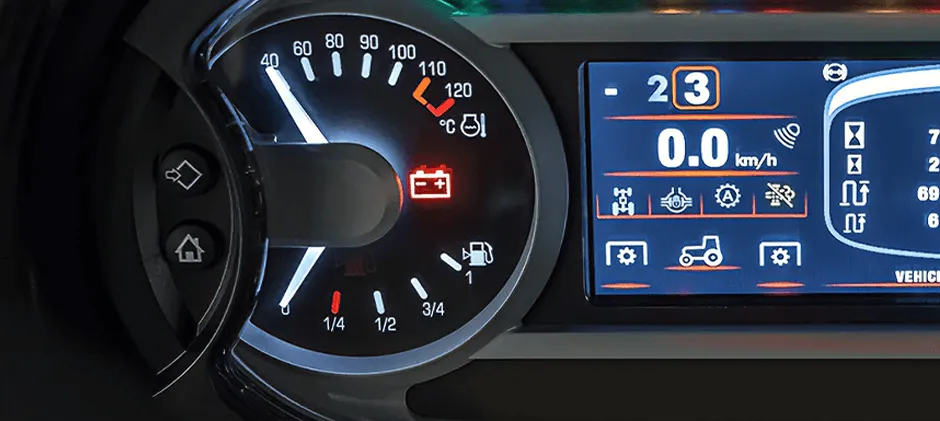
နောက်ဆုံးထုတ်ဝေမှု

Mechlink:Service battery charging system warning light on: means, causes, fix
Product knowledge

Service battery charging system warning light on: means, causes, fix

2026-07-07
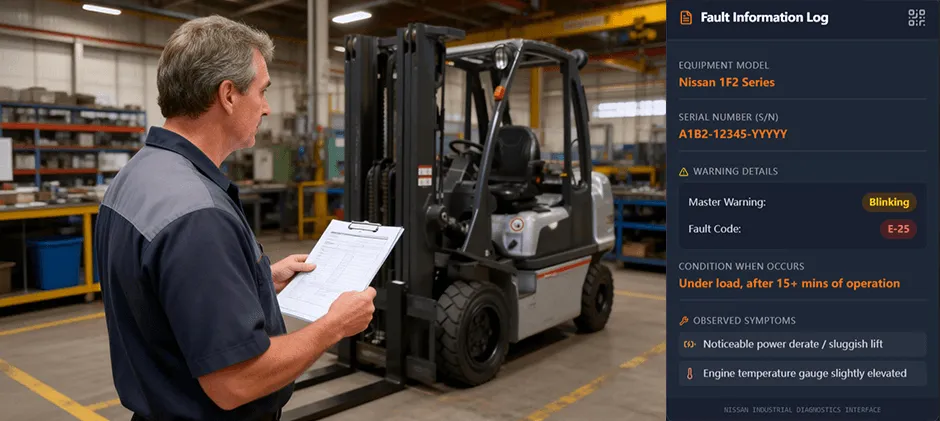
Mechlink:Master warning light nissan: what it means and how to respond
Product knowledge

Master warning light nissan: what it means and how to respond

2026-07-06
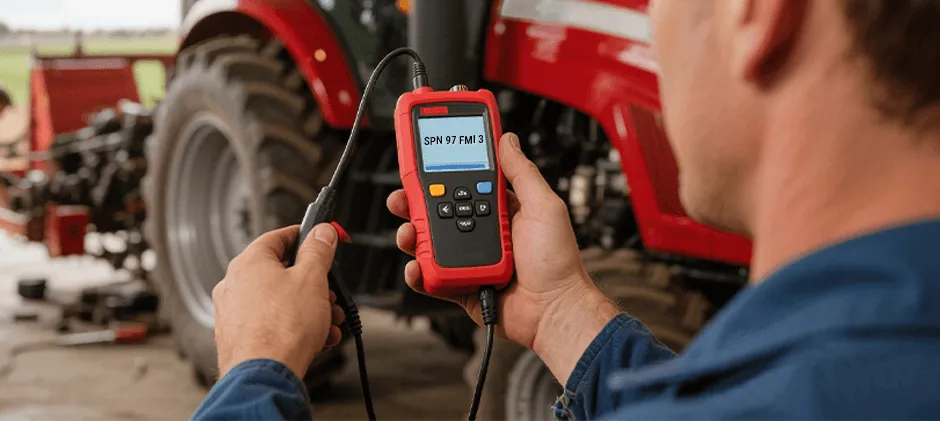
Mechlink:What is spn 97 fmi 3 means & how to solve it?
Product knowledge

What is spn 97 fmi 3 means & how to solve it?

2026-07-06
Mechlink:Diy engine air filter element replacement
Product knowledge

Diy engine air filter element replacement

2026-07-05