
2026-11-16
A used loader can deliver strong productivity at a lower entry price, but the purchase should be treated as a condition assessment rather than a simple bargain. Confirm that the machine fits the workload, site, and attachment plan before comparing prices.
Look for cracks, bends, weld repairs, loose guards, corrosion, and signs of impact. Uneven tire or track wear can reveal alignment or undercarriage problems. Check that the bucket, linkage, pins, and cutting edge match the intended material-handling work.

Start the engine cold when possible and listen for abnormal smoke, noise, vibration, or slow response. Review oil condition and service intervals. Test lift, tilt, steering, brakes, and auxiliary hydraulics under load; leaks and hesitation may point to expensive repairs.
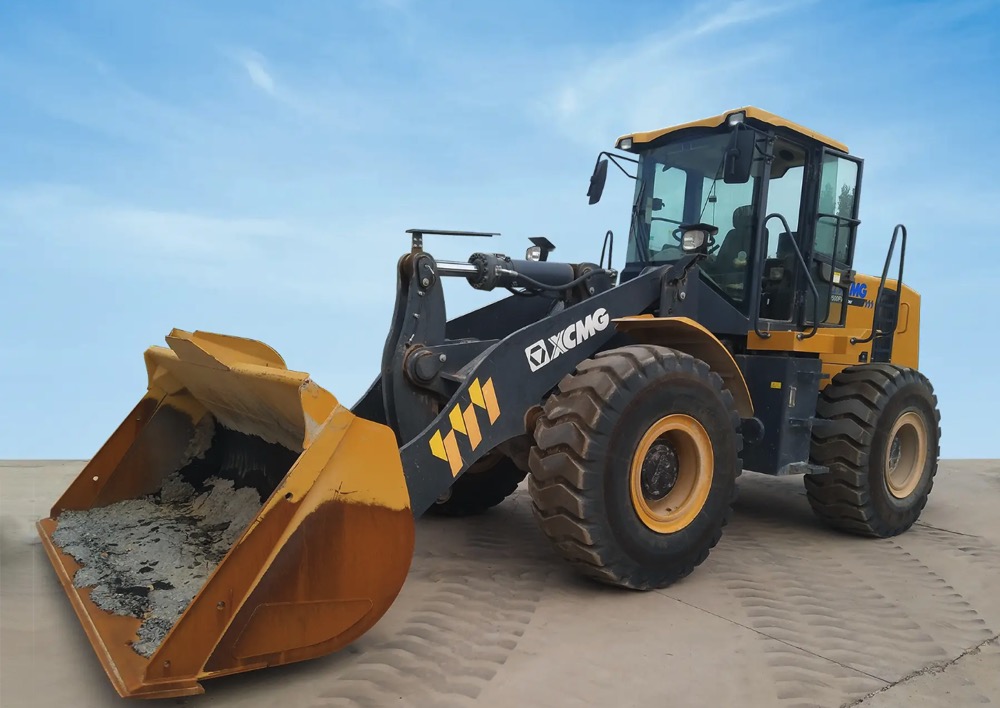
Confirm that gauges, switches, lights, alarms, seat belt, mirrors, and access steps work. A comfortable cab and reliable visibility affect both productivity and safe operation.
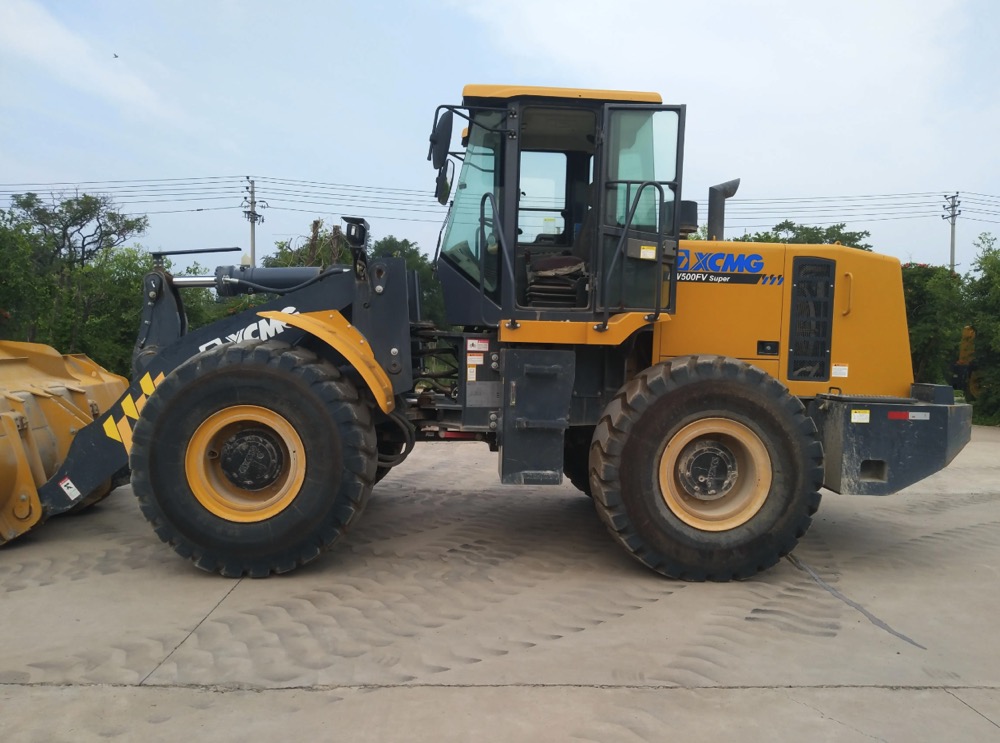
Ask for ownership, maintenance, hours, repair, and attachment records. Compare the hour meter with wear on pedals, controls, tires, and the bucket. Add transport, inspection, repairs, and future maintenance to the purchase price. A qualified inspector can help when the machine history is incomplete.
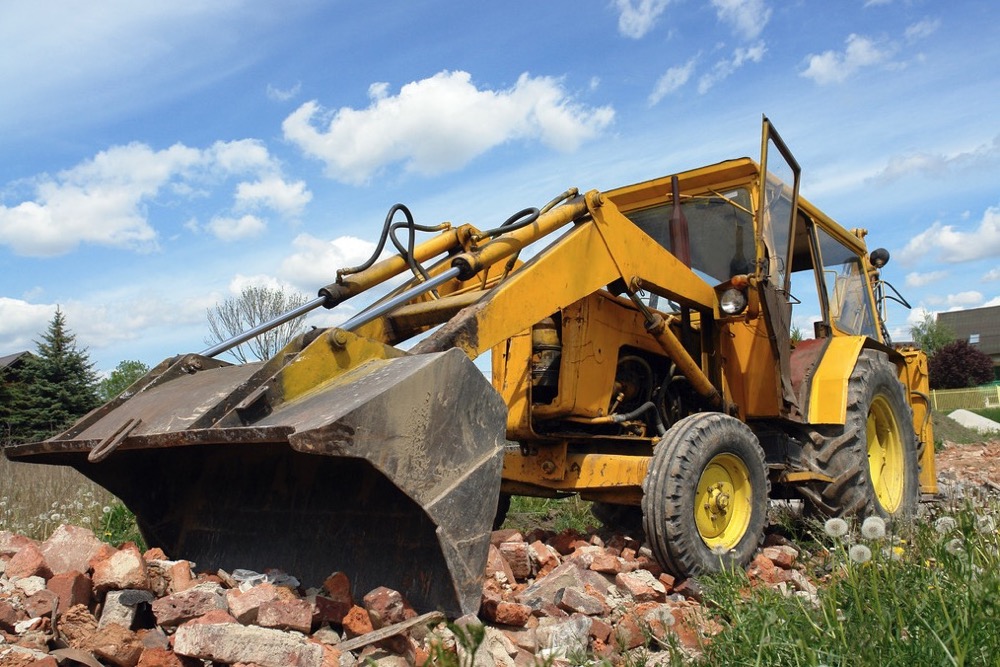
The right used loader is the one whose condition and configuration support the work, not simply the one with the lowest advertised price.
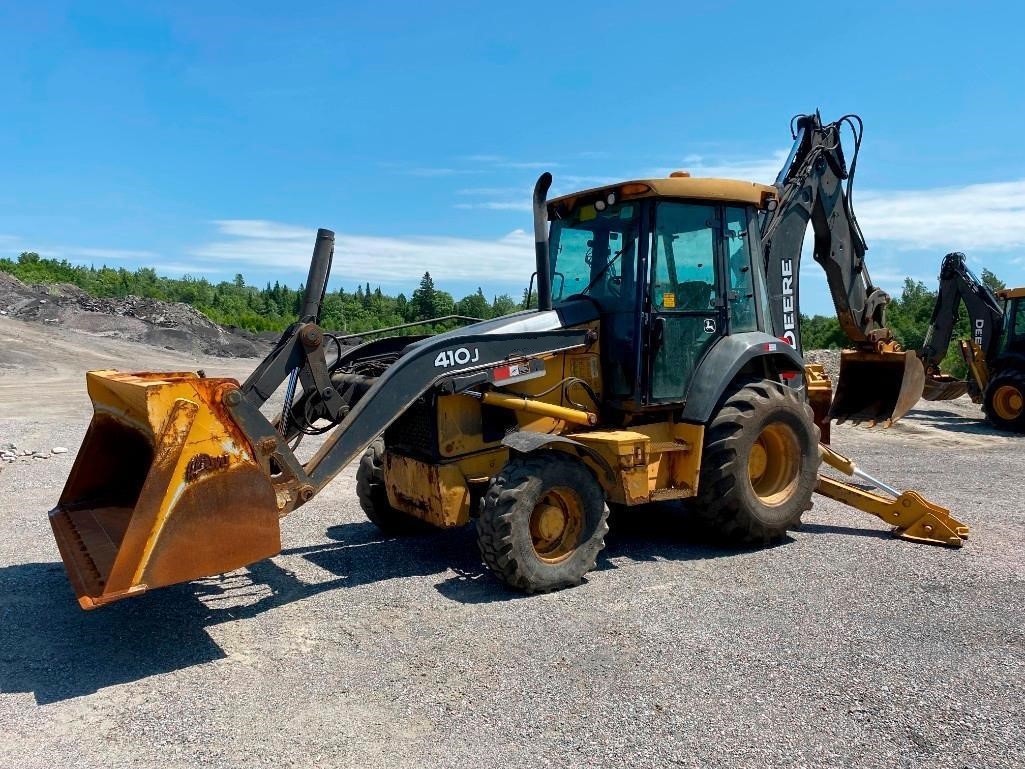
Loader Types Compared: Uses, Strengths, and Site Fit
2026-11-16
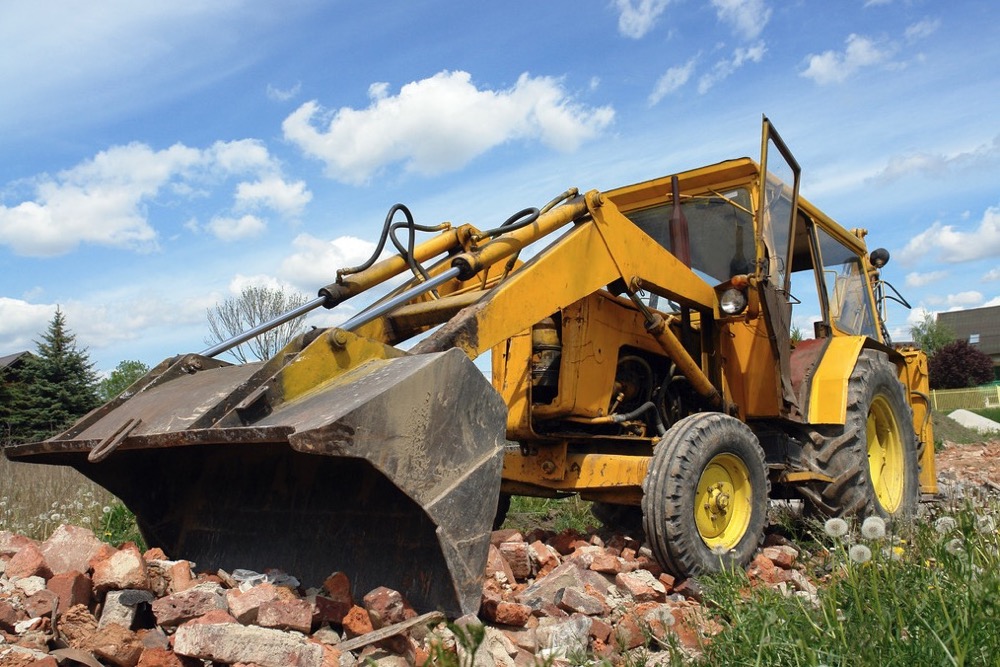
Backhoe Loaders Explained: Operation, Specifications, and Job Uses
2026-11-15
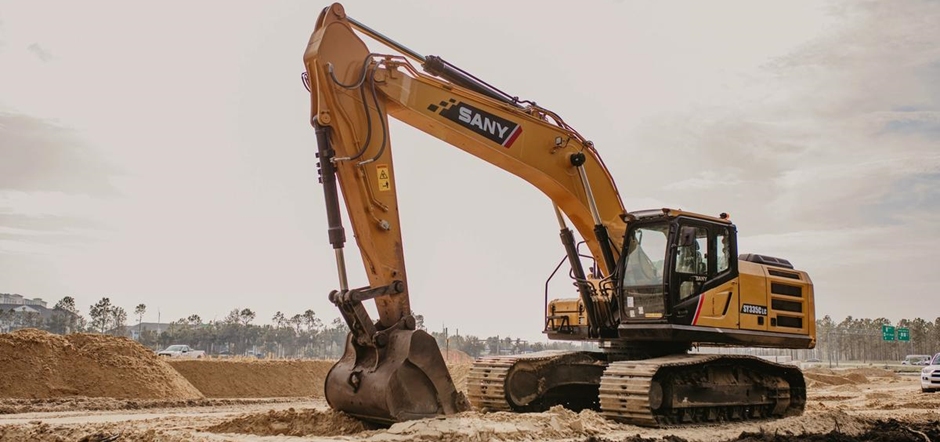
Excavator Buying Decisions: The Parameters That Shape the Outcome Before the Brand Does
2026-11-15
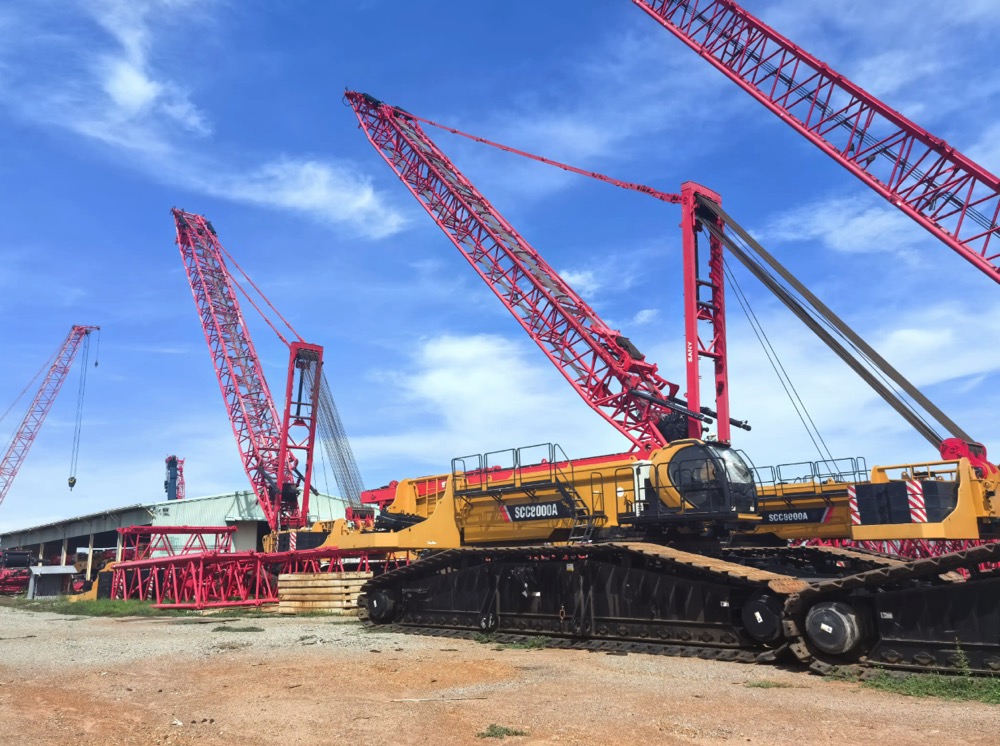
Crane Types by Structure: How Reach and Rated Capacity Decide the Right Lift
2026-11-14