2026-10-27
If your hydraulic cylinder fails, you may ask, “How much does hydraulic cylinder repair cost?” The answer depends on a lot of factors. Knowing when a hydraulic cylinder needs pairing or rebuilding, and knowing the related costs, can help you maintain your hydraulic cylinder without overspending. In this article, MechLink will outline the factors that affect repair costs and how to identify preventable failures early.
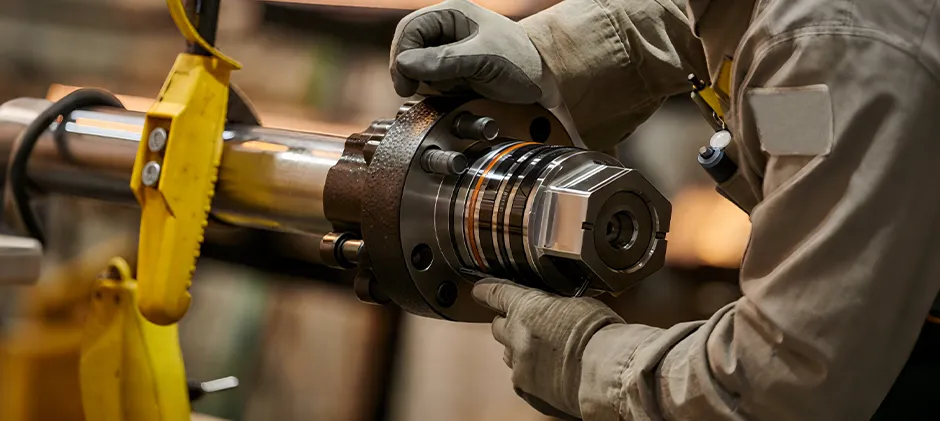
Before talking about price, we need to be clear on the terminology. “Repair” can mean different things, from a quick fix to a major overhaul. In the world of heavy equipment, the work is generally broken down into four levels.
The final invoice for a cylinder repair can vary widely. Here are the primary factors that determine the costs.
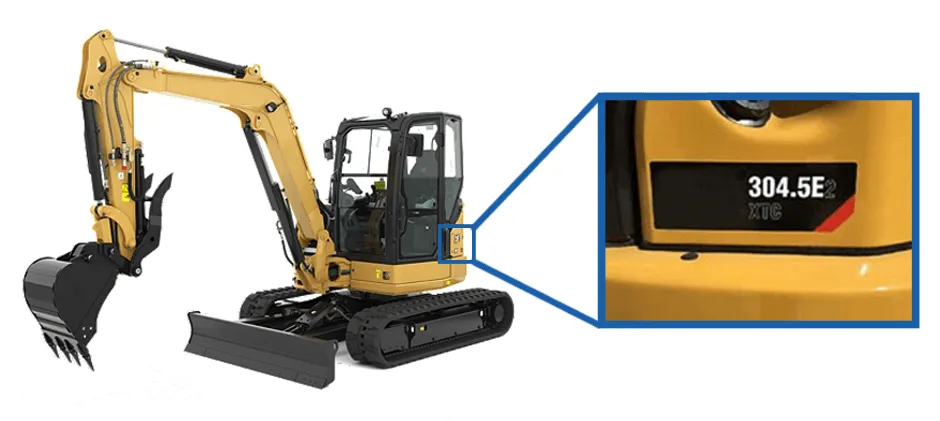
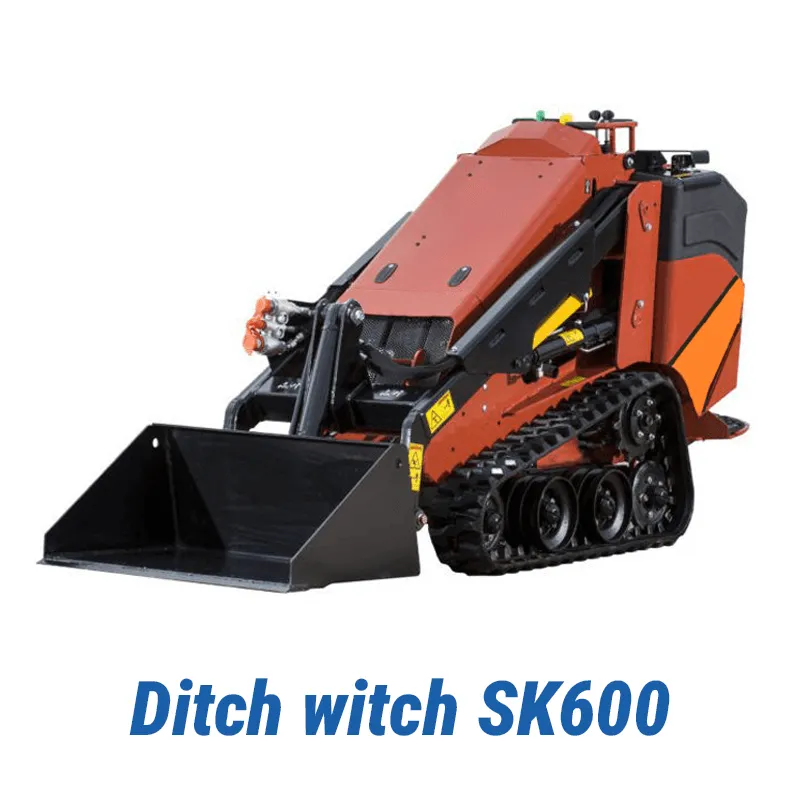
This is the most obvious factor in hydraulic cylinder repair cost. A massive boom cylinder from a 40-ton excavator has larger, more expensive components and requires more labor to handle than a small tilt cylinder from a skid steer. Telescopic cylinders, with their multiple stages, are inherently more complex and costly to service.
This is the biggest variable.
A simple seal kit might be relatively inexpensive. However, if you need a new piston rod, piston, gland, or barrel, the cost escalates quickly. This is where high-quality aftermarket parts can offer substantial savings without sacrificing performance.
Hydraulic repair shops charge by the hour, and rates vary by region and the shop’s specialty. A complete rebuild takes significantly more time than a simple repack.
Which way to choose ultimately depends on the cost-benefit analysis. When the cylinder is leaking only from the outside and there are no other signs of failure, targeted repairs are sufficient; if the rod is smooth and the cylinder is running strongly, then there is a problem with the seal. This is the best path forward when there are damaged hard parts—like a bent rod or a weak cylinder suffering from internal bypassing—but the main cylinder body is still sound. In these situations, a rebuild is almost always more cost-effective than buying a new OEM cylinder and is the best way to restore full performance from a salvageable unit. Finally, the decision moves to a full replacement in cases of catastrophic failure. If the cylinder barrel is cracked or badly damaged, replacing it will save more money than rebuilding. Machine downtime is also minimized.
Catching a problem early is the best way to avoid a costly rebuild. Look for these telltale signs that your seals are failing:
Before you start, perform a simple drift test. Raise the attachment off the ground and let it sit for several minutes. If it sinks, you have an internal leak. After repacking, you must bleed the air from the system and re-test.
Buying a seal kit isn’t just about the right size. Material and working conditions are necessary to consider for a long-lasting, durable repair.
An old seal can be stretched or compressed, making its size unreliable. You can measure the barrel diameter and the piston rod diameter, or the groove dimensions, to get the right seal kit size.
Most heavy equipment uses standard hydraulic oil, but some may use biodegradable or fire-resistant fluids. If the seal material is incompatible, swelling or dissolution may occur. Withstanding the friction of movement and resisting breakdown is also important. Here is a breakdown of common seal materials and their estimated 2026 price range for a typical seal kit. Please note these are just market estimates.
| Seal Material | Estimated 2026 Price Range (per kit) |
| Nitrile (NBR) | $20 – $60 |
| Polyurethane (PU) | $50 – $120 |
| Viton® (FKM) | $100 – $250+ |
| Teflon® (PTFE) | Varies, typically included in higher-end kits. |
In conclusion, the degree of hydraulic cylinder damage directly affects the repair cost. Early, simple leaks can be repaired at a lower cost, but curved links or scratched cylinder barrels cannot be just repaired. Assess your hydraulic cylinder needs for repackaging, repairing, rebuilding, or replacing. You can work with a parts shop to make the most cost-effective decision. MechLink offers a wide range of high-quality aftermarket cylinder assemblies, from seal kits to complete connecting rods, to provide you with an affordable solution for machine back running.