
2026-05-25
Did you ever wonder why there are three different off-road vehicles, RTV Vs. UTV Vs. ATV, and why do they sound so similar? So what’s the difference?
This guide will walk you through detailedly what they are and tell you their differences through a clear table, from key differences in design, use, to performance, helping you choose the right off-road vehicles.
An ATV, or All-Terrain Vehicle, is what most people picture when they think of a “quad” or “four-wheeler.” It is designed around a single-rider philosophy, prioritizing agility and a direct connection to the trail.
The operator sits on a motorcycle-style straddle seat and uses handlebars to steer. This requires an active riding style where the rider shifts their body weight to maintain stability, making for an engaging and physically demanding experience. Because they are smaller, lighter, and more nimble, ATVs are the undisputed kings of recreational sport riding and navigating tight, winding trails where larger vehicles can’t go.
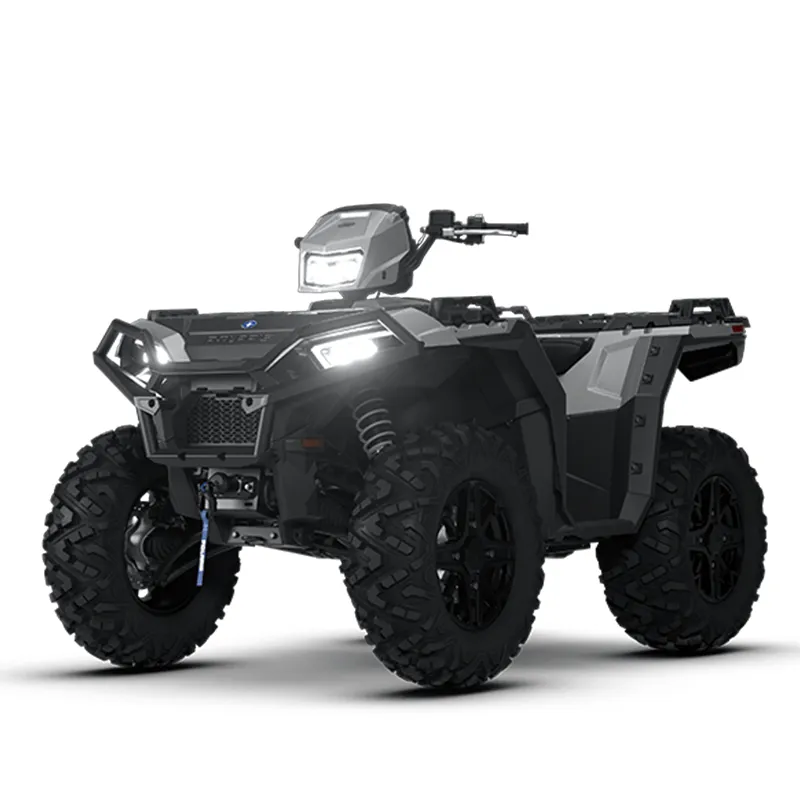
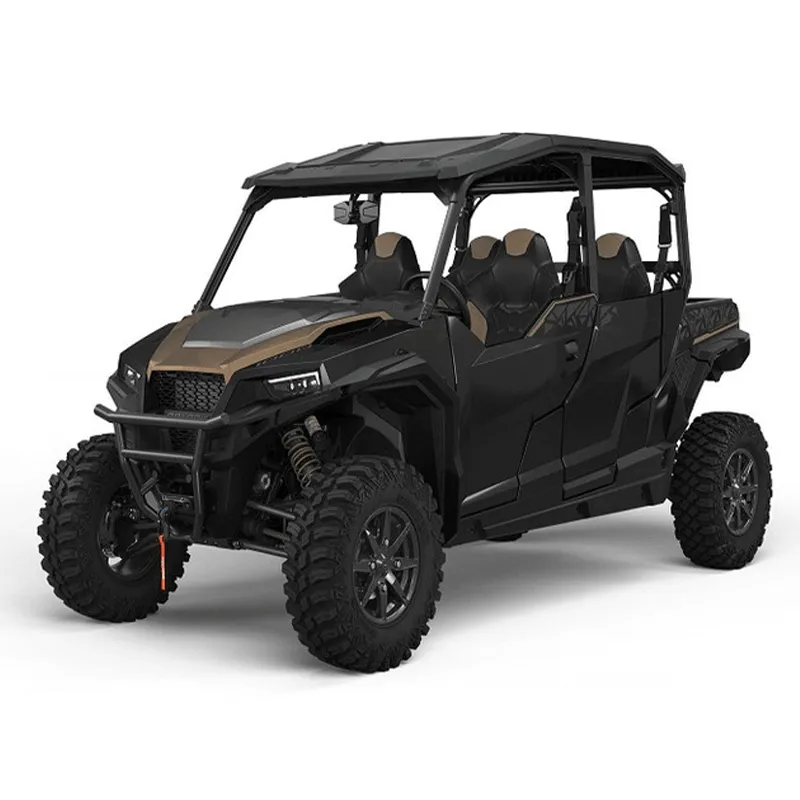
A UTV, or Utility Task Vehicle, represents a complete shift in design. Commonly called a Side-by-Side (SXS), its core feature is its car-like design, seating occupants next to each other in bucket or bench seats.
UTVs are manipulated through the steering wheel together with foot pedals, making the handling feel familiar, more on the passive side, and requiring not much bodily toil. Their foundation frame is constructed larger and steadier, so safety is much exceeding ATV, since already inborn they already have a roll-over protection system and safety belts. The chief merit lies in versatility: able to seat from two to six persons, with one cargo bed set behind. Therefore, UTV can serve both for toil—such as carrying tools on farmland, delivering manpower on a construction site—and also for amusement, like weekend loading of gear to go adventuring, all can be managed.
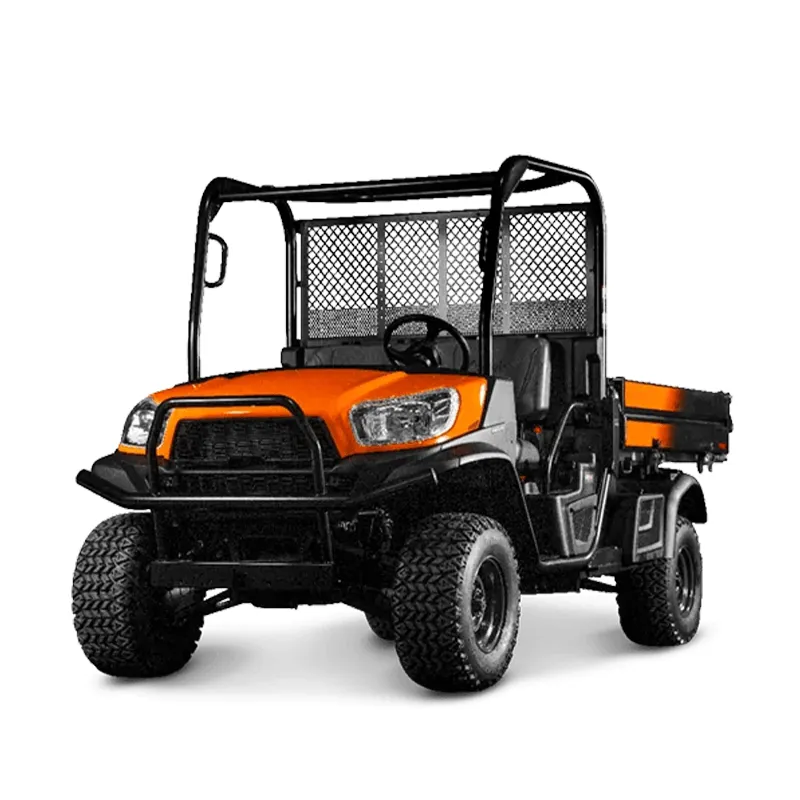
This is where the confusion often begins. An RTV, or Rough Terrain Vehicle, is not a separate vehicle category. RTV is the trademarked name Kubota uses for its line of UTVs.
So, why the different name? Because Kubota builds its RTVs with a distinct, work-first philosophy that sets them apart. While other brands offer UTVs that blur the line between work and play, a Kubota RTV is an unapologetic workhorse. Its design DNA comes from tractors and construction equipment, not recreational toys. As one user on a forum aptly put it, they are “built like a tank.”
| Feature | ATV | UTV | RTV |
| Identity | Single-rider sport quad | Multi-purpose side-by-side | Kubota’s heavy-duty work UTV |
| Primary Focus | Recreation & Speed | Versatility (Work & Play) | Purely Work & Hauling |
| Operation | Straddle seat, Handlebars | Side-by-side seats, Steering Wheel | Side-by-side seats, Steering Wheel |
| Key Strength | Agility & Low Cost | Safety & Passenger Capacity | Extreme Durability & Torque |
An ATV is for sport and recreation. Its main purpose is to be a fun, fast, and nimble machine, often upgraded with ATV racing parts to push its performance limits on the track and trail. It excels in tight, technical terrain where its small size and responsiveness are paramount.
A UTV is the jack-of-all-trades. It is designed to bridge the gap between work and play, capable of hauling supplies during the week and exploring trails with family or friends on the weekend. Its identity is split between utility and recreation.
An RTV’s purpose is singular: to reliably perform work. Whether hauling feed on a farm or tools on a construction site, its design prioritizes durability, pulling power, and dependability over all else. Speed and recreation are secondary considerations.
Ultimately, which one you should choose depends on your needs. You can choose ATV for recreation, choose UTV for balancing family fun and utility, and choose RTV for heavy-duty work.
No matter which vehicle you choose, keeping it in top condition is key to protecting your investment. This is where MechLink comes in as your trusted partner. We offer a vast selection of high-quality aftermarket parts for your ATV, UTV, or RTV. Keep your machine running strong for years to come with our reliable and durable components. And for winter maintenance, you can also read: How to Winterize an ATV and a UTV?
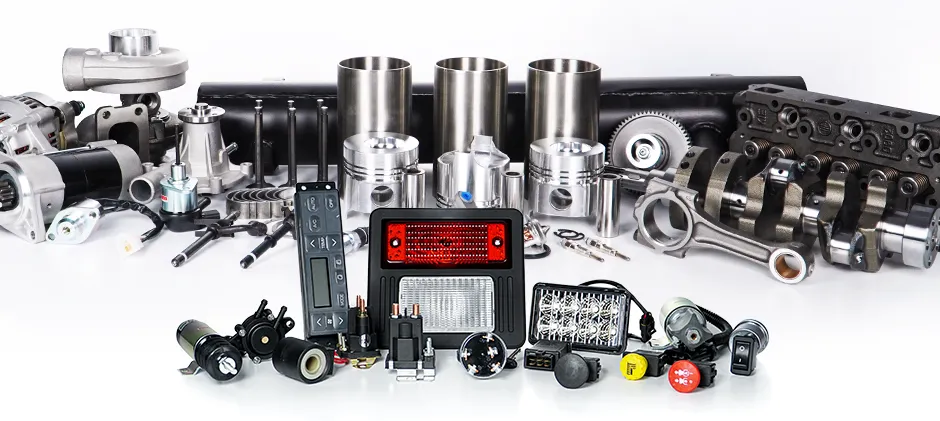
The 30 most popular kubota parts at mechlink
2026-09-21
How to choose the best water pump for your heavy equipment
2026-09-21
Ultimate guide to choosing the best engine oil filter for tractor
2026-09-20
How much does a ford f-150 weigh? 2026 complete guide
2026-09-20