
2026-06-10
/filters:format(.webp)/filters:quality(50)/news/What-Are-Bad-Brake-Pad-Symptoms-How-To-Replace-r62786.jpg)
The lifespan of brake pads in heavy off-road machinery typically ranges from 2,000 to 5,000 miles, while the lifespan for light-duty brake pads usually falls between 3,000 to 6,000 miles. Regardless of the brake pad material, they will eventually wear out. Worn or faulty brake pads can lead to braking failure, compromising the driver’s safety. Therefore, it’s crucial to promptly detect and replace worn brake pads to ensure safe operation.
When the brake pads are severely worn, the metal backing plate becomes exposed and rubs against the brake disc, producing a sharp squealing sound. If you hear a noticeable metal grinding noise when you lightly press the brakes while driving, it indicates that you need to replace the brake pads.
If you notice that the brake pedal travels further or you need to press harder to achieve the desired braking effect, this could be a sign of excessive brake pad wear. Worn brake pads cannot provide sufficient friction, resulting in longer stopping distances and significantly reduced braking effectiveness.
Off-road machinery brake systems are equipped with warning lights that illuminate when the brake pads have worn down to a certain level, alerting the driver to check and replace the brake pads promptly.
The thickness of brake pads varies by equipment type. Typically, new brake pads are around 10mm thick, and replacement when worn down to about 1/3 of an inch. You can estimate the need for replacement using the formula: remaining usable thickness = current thickness – minimum usable thickness (found in the manufacturer’s recommendations). Replace thin brake pads immediately to protect yourself and others from danger.
If the vehicle drives normally but pulls to one side when braking hard, it often indicates poor braking on one side, possibly due to brake pads nearing their wear limit and needing replacement ASAP.
Do not ignore these signs, as doing so could put you at risk of property damage and personal injury.
DIY enthusiasts can follow these steps to replace brake pads. Prepare tools including a hand jack, floor jack, wheel chocks, a flathead screwdriver, brake cleaner, and new brake pads.
Brake pad wear can result from improper driving habits, harsh driving environments, and extended use. During braking, the brake pads constantly approach the brake discs, and friction between them slows the vehicle down. The friction material on the brake pads grips the metal surface and forces your car or equipment to decelerate. This friction is what also leads to brake pad wear.
For off-road machinery, once brake pads reach their safe usage limit, the remaining usable time is typically around 100-300 hours. It is recommended to replace them immediately to avoid danger.
The cost to replace a single brake pad for off-road machinery generally ranges from $200 to $800. For medium to large machinery, the total replacement cost can be between $500 and $2000. DIY replacement can save you 50%-70% of the cost, as long as you purchase the correct brake pads online and have the necessary tools.
You can purchase brake parts from local machinery parts stores or online shops. However, local stores may not always have the correct brake pad models, which can waste your time. And it is advisable to buy from reliable one-stop online stores that offer a wide range of parts. For example, MechLink is a trustworthy one-stop online store with a vast selection of OEM-quality brake parts. These parts are compatible with your equipment. MechLink is your reliable source for off-road machinery parts.
For more articles and guides, please view our blogs.
The 30 most popular kubota parts at mechlink
2026-09-21
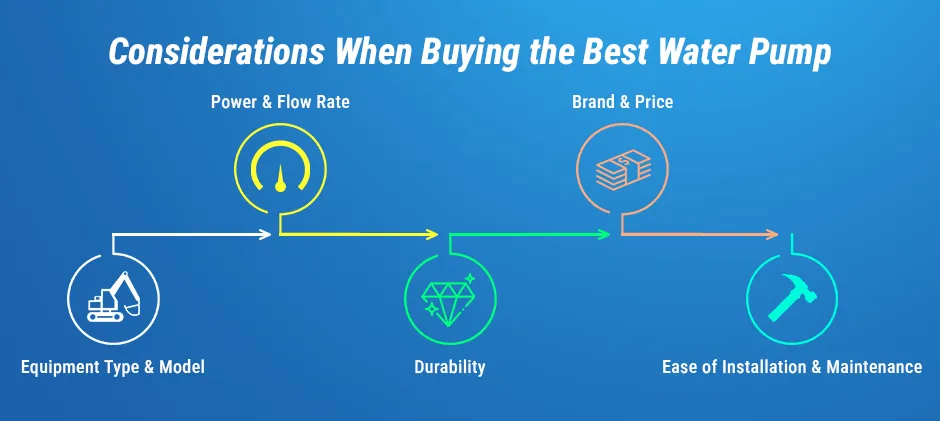
How to choose the best water pump for your heavy equipment
2026-09-21

Ultimate guide to choosing the best engine oil filter for tractor
2026-09-20
How much does a ford f-150 weigh? 2026 complete guide
2026-09-20