2026-01-12
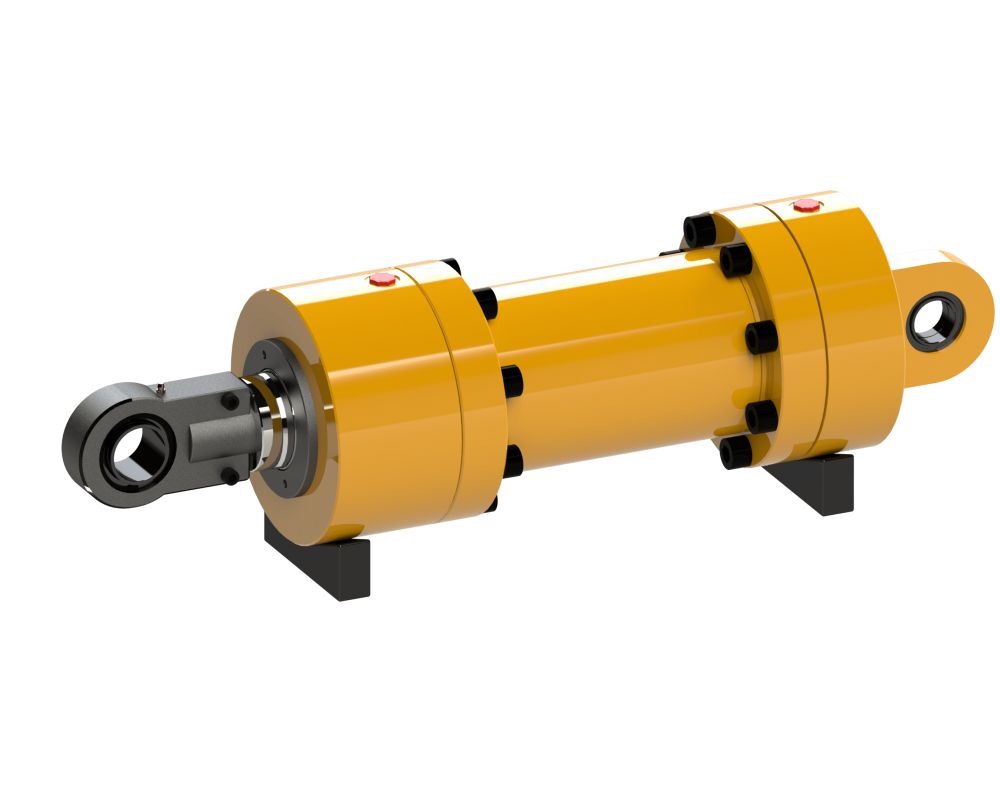
Hydraulic cylinders are key components in heavy equipment hydraulic systems. In construction equipment like excavators and front-end loaders, hydraulic cylinders power the movement of boom arms, buckets and other attachments.
The ability of hydraulic cylinders to generate massive force lies in their design. A hydraulic cylinder consists of a cylinder with a piston and piston rod that moves linearly as a hydraulic fluid is pumped in and out of the cylinder by the hydraulic pump.
By converting the force of pressurized hydraulic fluid into linear force, hydraulic cylinders efficiently provide power to a wide variety of heavy equipment. Over time, however, the internal seals used in hydraulic cylinders begin to wear down.
Once the seals in a hydraulic cylinder have become sufficiently degraded, the cylinder may begin leaking hydraulic fluid, reducing its efficiency. When this happens, it may be necessary to repack the cylinder.
Repacking a hydraulic cylinder consists of disassembling the cylinder, replacing its seals and then re-assembling the unit. The process of repacking hydraulic cylinders is considered a standard maintenance task and something all service techs should know how to do.
In this guide, we’ll learn the details of repacking hydraulic cylinders. By understanding how and why to repack a hydraulic cylinder, you can improve the longevity of your heavy equipment and limit unnecessary repair costs.
The cost of repacking can be substantially lower than purchasing a new cylinder, primarily because it involves replacing the seals and minor worn parts rather than the entire assembly.
Beyond the financial savings, repacking offers several other benefits. It allows for the early detection of potential failures, reducing downtime and preventing catastrophic failures. Repacking cylinders instead of replacing them is also an environmentally friendly practice since it extends the life of the hydraulic cylinder components.
Recognizing the right time to repack a hydraulic cylinder is critical to ensuring the cylinder doesn’t suffer unnecessary damage. Initial signs the cylinder needs repacking include hydraulic fluid leaks and reduced power.
Fluid leaks are a clear indicator, as they not only indicate the seals have degraded but also indicate there is a contamination risk within the hydraulic system. Unusual noises, such as grinding or whining coming from the cylinders, can also point to internal component wear.
Ignoring the initial signs that a cylinder needs to be repacked can result in additional consequences. For example, a faulty cylinder can lead to machine failures, posing a safety risk to operators and potentially causing costly downtime.
Extended neglect may result in complete hydraulic system failure, leading to extensive repairs or even full replacement of components. Promptly addressing early warning signs through repacking can help prevent these outcomes.
Repacking a hydraulic cylinder requires certain tools and safety gear. Essential tools include a spanner wrench and hammer for nut removal, screwdrivers for prying out snap rings, pliers and clamps for hoses, as well as steel wool for cleaning and polishing rod components.
On the safety front, durable work gloves, safety glasses and steel-toed boots are a good idea to protect against hydraulic fluid and falling objects. A bucket to collect leaking hydraulic fluid, a bar or chain for rod removal and a torque wrench for bolt tightening may also be useful.
Once you’ve gathered the right tools and safety gear, you’re ready to begin repacking your cylinder. Keep in mind that repacking instructions may vary from machine to machine, so always reference your machine’s service manual before beginning this process.
Here are the general steps you should take:
Routine maintenance, including the use of correct hydraulic fluid and regular changes, is crucial to prevent major issues in your machine’s hydraulic system. Regular inspections and carefully following your machine manufacturer’s guidelines are also important to maximize the lifespan of hydraulic cylinders.
Preventive maintenance is the best strategy for getting the most out of your machine’s hydraulic cylinders and reducing unnecessary maintenance costs. The MechLink Shop offers an extensive range of OEM and aftermarket hydraulic components, including a diverse selection of seals and gaskets to ensure your equipment remains in optimal condition. You can also find an array of seal kits designed specifically for the repair and maintenance of heavy equipment cylinders. Don’t see exactly what you’re looking for? Reach out to our parts experts and get personalized assistance.