
2026-11-11
Buying an excavator is a major investment, so the right choice starts with the work rather than the machine name. This guide walks through the questions that matter most: the size and configuration your site needs, the cost of new and used equipment, the condition checks that protect a used-machine purchase, and the transport plan that gets the excavator to work.
Begin with the jobs you expect to perform. Digging depth, lifting requirements, ground conditions, working space, and the attachments you plan to use should shape the specification. Variable power modes and automatic idle functions can affect fuel use and long-term operating costs. Telematics, rear and side-view cameras, and LED lighting can also improve visibility, safety, and fleet management.
Excavators are commonly grouped into compact or mini, standard, and large classes. The weight ranges below are practical reference points; the best choice still depends on the machine configuration and the job.
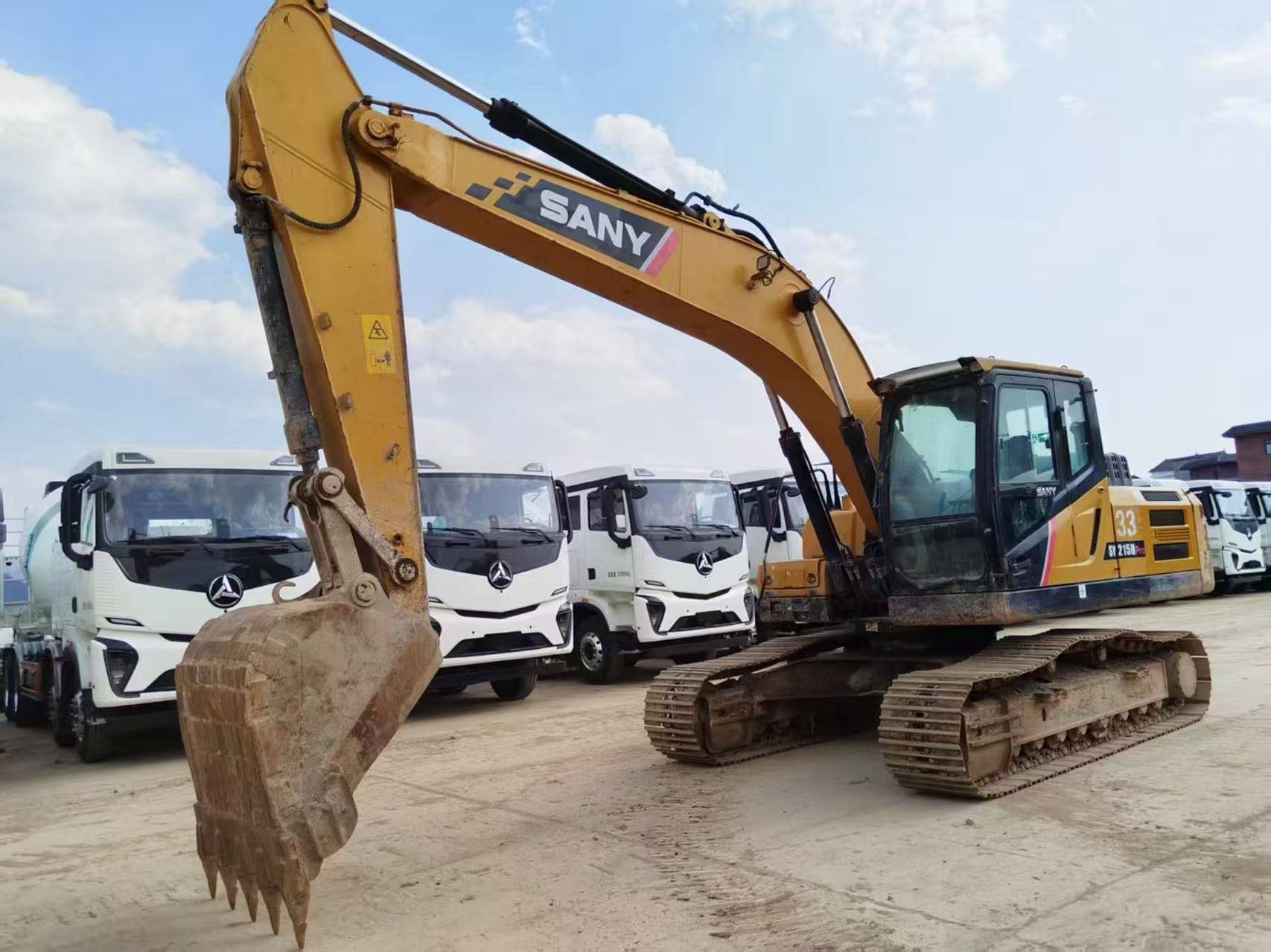
The hydraulic system determines much of an excavator's lifting capacity, cycle response, and attachment compatibility. List the attachments you will actually use before choosing a machine. A hydraulic breaker can handle concrete demolition, while a grapple can move scrap or irregular materials. Confirm the coupler type and hydraulic flow requirements so the attachments you buy will work with the excavator.
Transport is part of the purchase calculation. Check the excavator's operating weight against your trailer, weight-restricted roads and bridges, route limits, and driver certification requirements. Include the trailer size and any attachment transport needs in the budget. If you do not plan to own a trailer, MechLink can connect you with carriers equipped to deliver the machine safely to the job site.
Many excavators offer a pattern-control selector. With the ISO pattern, the right hand controls stick and bucket movement while the left hand controls swing and boom; the SAE pattern reverses those functions. Operators often have a strong preference, so confirm the selected pattern during a demonstration and check whether the machine can switch between modes.
Compact excavators commonly use rubber tracks to limit surface damage, but rubber wears faster than steel. Standard and larger machines usually use steel tracks in different widths and tread depths. Match the track design to the ground: wider, deeper-groove tracks can improve traction in soft or muddy soil, while the undercarriage should be inspected for wear before purchase.
Price varies with size, brand, configuration, performance, hours, and included attachments. A full-size excavator may cost roughly $100,000 to $500,000 or more, but that range is only a starting point. Set a total budget that also includes transport, inspection, attachments, insurance, and expected maintenance.
New full-size excavators can cost from about $100,000 to more than $500,000. Used machines are often 25% to 50% less expensive, but the price depends heavily on operating hours, maintenance records, condition, and attachments. Have a licensed mechanic inspect the complete machine before you buy, and account for maintenance costs that may rise as a used excavator gets older.

For a one-time project, renting can be a practical alternative. Rental rates depend on location, machine size, attachments, and rental duration, so compare the full rental cost with the ownership and transport costs of buying.
Before committing to a used machine, check these five areas:
Also inspect the undercarriage, engine, final drives, swing motor, and swivel motor where fitted. Paint and overall appearance can provide clues about maintenance, but they should support a mechanical inspection rather than replace it.
MechLink supports the purchase beyond the machine itself. Its carrier network can help arrange delivery, while the team handles the paperwork, trailer selection, and route planning.
MechLink moves a large number of machines each year and can provide a transport estimate using a database with specifications and dimensions for more than 60,000 items. The quote process is straightforward:
With practical equipment information, transport support, and a global marketplace, MechLink helps buyers compare options, reduce uncertainty, and move the right excavator into service with a clearer budget.

What an Excavator Is Worth After Five Years - and How to Protect It
2026-11-11
New holland workmaster 50 complete model hub: specs, parts & review 2026
2026-11-10
Bobcat skid steer weight & specs chart
2026-11-10
Top 10 must-have attachments for kubota tractor
2026-11-09