
2026-11-22
A hydraulic cylinder can look perfectly sound and still be the reason a machine is losing power. The usual culprit sits in the sealing grooves — a handful of inexpensive components that decide whether pressure goes into the work or escapes as a leak.
Cylinders are central to the hydraulic systems on excavators, skid steers, tractors and most other modern heavy equipment. They apply fluid mechanics to convert hydrostatic pressure into linear force, and that force drives the machine and its attachments.
Inside a cylinder, hydraulic oil is pumped to either side of a piston mounted on a piston rod. The pressure differential pushes the piston back and forth, and the rod extends or retracts with it, moving arms, implements and other mechanical systems on the machine.
What makes that motion efficient is the sealing package — the hydraulic seals fitted around the piston, the rod and the other contact points. Their job is twofold: hold the oil inside the cylinder, and stop pressurized fluid from slipping past the piston.
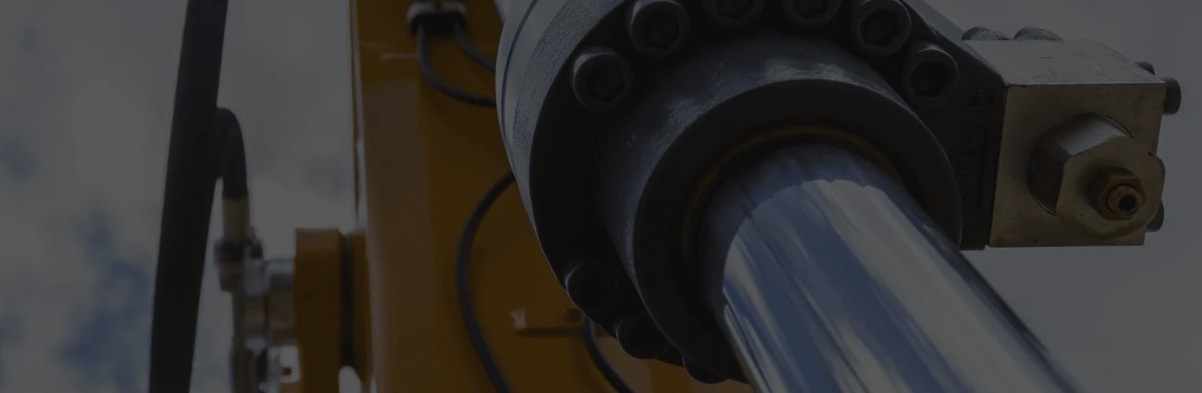
Most cylinders rely on a combination of these seal types, each placed where it can do the most good:
Keeping that package intact belongs on every fleet operator’s maintenance list. Missing, damaged or badly fitted seals cost power first and cause breakdowns later.
Seal replacement should be handled by a trained technician. Seals that go in wrong produce leaks, lost power and rod drift — a condition where the rod slowly creeps out of position under load.
Most cylinder seals are made from soft compounds that damage easily. A new seal has to be kept clean and handled with care right up to the moment it is seated.
Any seal that is chipped, torn, dirty or cracked should be thrown away rather than fitted. Damage caused during installation is one of the most common reasons a freshly rebuilt cylinder starts leaking again.
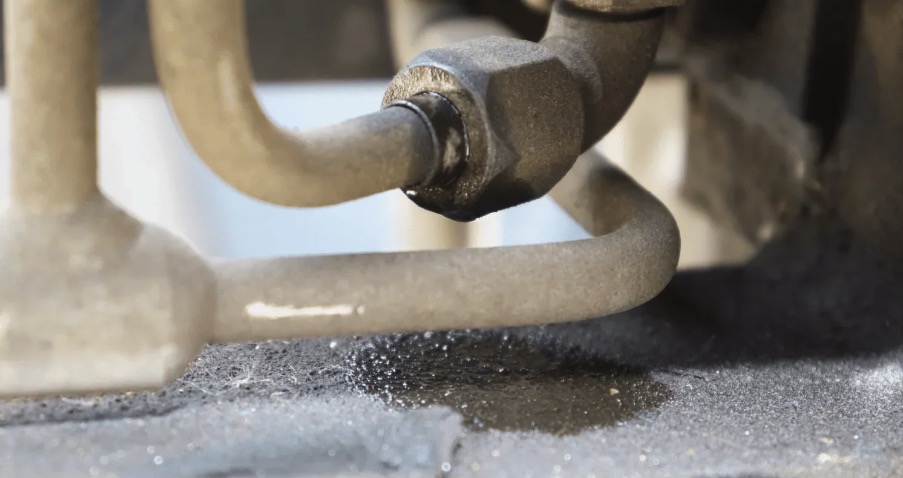
Hydraulic leaks fall into two categories. External leaks let fluid escape the system altogether. Internal leaks let fluid slip between components inside the system, where it does no useful work.
Internal leakage usually traces back to a damaged or worn piston seal, since that seal is what separates the two sides of the piston. No oil drips onto the ground, so the fault is easy to miss — but power drops, and the rod may drift, which undermines the machine’s ability to hold an attachment steady.
External leakage more often points to a worn rod seal. Once debris or heat degrades that seal, it stops doing its job and oil starts finding its way out of the cylinder.
Degraded seals have to be replaced. On some machines the job is within reach of a competent owner-operator; on others, particularly if you are not comfortable working on hydraulics, a trained specialist is the safer choice.
Fitting the wrong seal — wrong size, wrong material — raises the odds of a leak and can let contamination into the cylinder. The service manual identifies the size and type your machine requires, and that specification should be treated as the starting point. Three further points are worth checking:
With the right tools and some experience, resealing a cylinder is a manageable job.
Begin by taking the old seals out of the cylinder head and the piston. If one is stuck, a flathead screwdriver or a small file will usually free it — work carefully, because a score mark on the cylinder components means trouble later.
With the old seals out, inspect the head and piston for debris and wipe them down with a damp rag if needed. Let every trace of moisture evaporate before you continue.
Seat the new seals in their grooves on the piston and in the head. Direction matters: any seal with a lip, such as the wiper, must face the correct way. Fit it backwards and dirt will be guided straight into the cylinder.
Once everything is seated, check each seal for damage sustained during fitting. A chipped or torn seal cannot be used. Then reattach the piston and cylinder head to complete the rebuild.
A set of cylinder seals should ideally last about three years. Keep the hydraulic fluid free of contaminants and good-quality seals can go considerably longer.
When seals fail early, the seal is rarely the real cause. Contaminated oil, a bent piston rod or a damaged cylinder head will all shorten seal life, and replacing the seal without correcting the underlying fault simply repeats the cycle.
A seal kit bundles every seal a particular machine and cylinder type needs, which removes most of the guesswork from ordering. Instead of matching individual part numbers, you buy one kit built for the application.
The MechLink Shop stocks seal kits for heavy equipment. Browse the range to find the one that matches your machine. If you would rather talk it through, our parts experts can help you confirm the correct seals and kit for your equipment.
Preventive maintenance: how scheduled upkeep pays for itself
2026-11-22
Where Hydraulic Fluid Escapes: Internal vs External Leaks, Warning Signs and Prevention
2026-11-21
Excavator Questions, Answered: Size, Cost, Attachments and More
2026-11-21

XCMG or Liugong? Choosing a 5-Tonne Wheel Loader That Survives a UAE Summer
2026-11-21