
2026-11-28
In much of the world, a long cold winter shuts construction down almost completely. Machines that would otherwise be working sit in storage yards or warehouses, sheltered from the weather, waiting for the season to turn.
Spring brings them back — and brings a new set of demands. Rain and mud are standard features of springtime projects, and a fleet that spent the winter parked is not automatically ready for them.
Before any machine earns its place on a spring schedule, it has to be brought back to working order. That means catching up on preventive maintenance so it can run effectively, safely and with as few breakdowns as possible.
A season in storage is long enough for damage to go unnoticed. Walk the whole machine before it goes back to work.
Watch closely for rodents and insects. Rats and mice are quite capable of treating a parked machine as shelter through the cold months, so look for chewed cables and wiring, nesting material and droppings.
If the machine spent the winter outdoors, add weather damage to the list: check what ice, snow and rain may have done to it.
A battery left in the machine over the winter will usually be flat, and the engine will not crank. Check its state of charge and confirm the terminals are still tight before you try to start anything.
If the battery was removed for storage, put it back now and make sure it is properly secured and connected.
With the battery in place and holding charge, move on to the electrical components. Lights, wipers, flashers and the rest of the safety equipment all need to be in working order.
Engine oil, hydraulic fluid, DEF and any other fluids must be at the correct level before the machine comes out of winterization. If you drained them for storage, refill them now.
Fluids are only half of it. Grease every moving part that takes lubricant, and include the attachments that sat idle all winter — buckets and augers among them.
Once the electrical system checks out and the fluids are correct, start the engine and let it tell you whether anything is wrong.
An engine that refuses to turn over, or one that makes grinding or hissing noises, is a signal to book service before the machine leaves storage.
The same moment is the right time to verify the brakes and the other systems the operator depends on.
Spring is the natural moment to get a fleet looking sharp. Take a broom to the exterior and the undercarriage to shift accumulated snow, ice and dirt — but keep sharp metal tools away, because they will take the paint with them.
Then turn to the operator cabin. Clean it out properly, check whether the seat liner is torn or cracking, and wipe down the controls. A clean, uncluttered cabin is simply a safer place to work.
Spring ground is wet and soft, so the tires have to be able to cope with it. Look for cracking, chipped lugs and tread worn down; anything damaged needs service or replacement before the machine goes out.
Use an accurate gauge to bring tires to the pressure the manufacturer specifies. After several months parked, most machines will need some air.
If the machine was stored outside, also clear debris and frozen material from the tires and confirm they are not stuck to the ground.
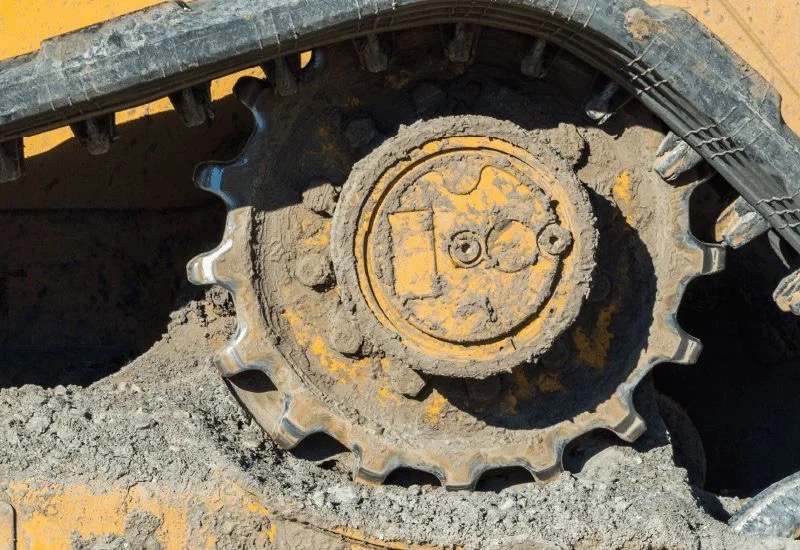
On tracked machines, set track tension for the muddy conditions of spring and inspect the undercarriage for parts that have worked loose or gone missing over the winter.
Decals are among the first things to suffer over winter, particularly on machines stored outdoors, where they deteriorate or simply fall off.
No machine should operate without its full set of safety decals. Those marking moving parts and specific hazards are typically required, and they are part of what keeps operators out of harm.
Machines that travel on public roads need the right signage as well — markings for wide turns or frequent stops, for instance, protect other road users.
A machine that plowed snow or dug through tundra all winter is not configured for spring. Refit it with attachments built for wet, muddy ground.
Rain and mud define the season, so the implement on the end of the arm should be chosen with those conditions in mind.
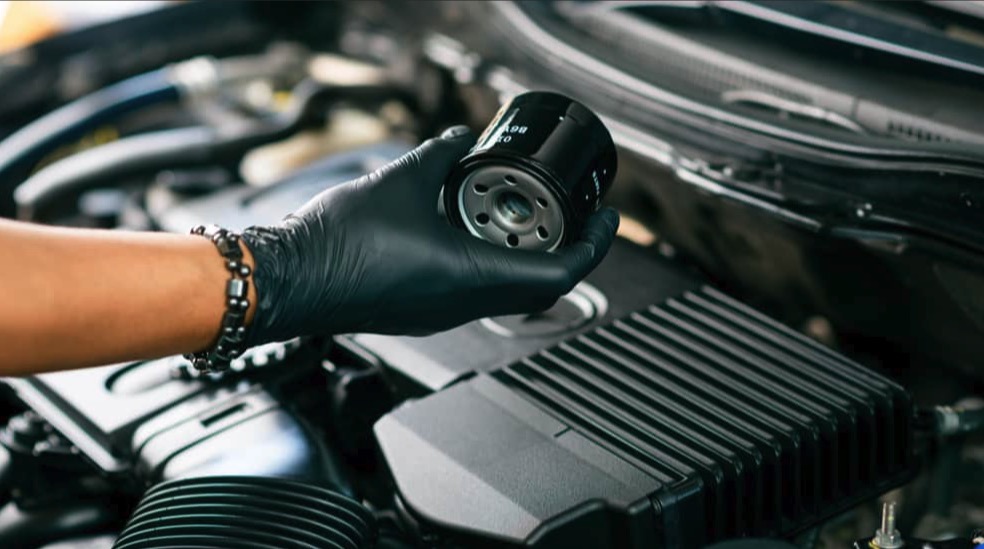
Because the machine’s fluids are being changed anyway, spring is the efficient time to replace its engine oil filter and the hydraulic fluid filters at the same time.
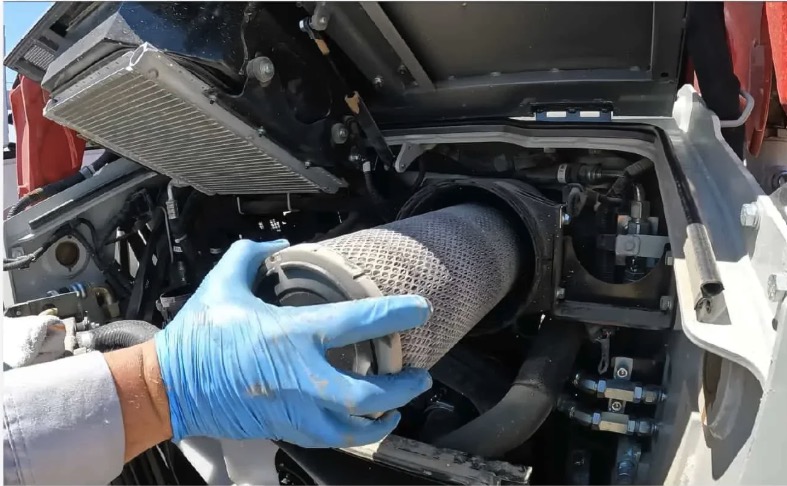
Air filters, clamps, seals, hoses and wipers belong on the same list — all of them degrade with time and use, and all are easier to change in the yard than on a jobsite.
Pulling a machine out of storage is a good moment to revisit its warranty documentation alongside the operation and service manuals.
Some maintenance work has to be done consistently for a warranty to remain valid. Read the requirements, confirm they have been met, and only then send the machine to site.
The service manual lists the tasks needed to keep the machine running correctly. Work through that list to be sure nothing was skipped during the winter.
Operators should reread the manuals for the machines they are about to run. It refreshes details that a winter away from the seat tends to erase, and that makes them both safer and more productive.
De-winterizing a machine usually turns up a shopping list: filters, gaskets, seals and other components that will not last another season.
MechLink stocks a broad selection of heavy equipment parts from well-known manufacturers, and our parts catalog is available online, so you can check availability and order without leaving the yard.
Oil filter questions, answered: fitment, intervals and the signs you missed
2026-11-28
Rotate or replace? A field guide to track pins and bushings
2026-11-28
Mini Excavator Troubleshooting: Five Failures That Routine Care Prevents
2026-11-27
Engine Air Filters: What They Block, How They Fail, When to Swap Them
2026-11-27