
2026-07-17
A Transmission Warning Light means your machine thinks the transmission is in danger. Stop guessing and start checking the basics: fluid level, overheating, leaks, and electrical connectors. Many owners search “why is my transmission warning light on” because the machine still moves—until it suddenly won’t. Use this quick guide to decide when to stop, what to inspect first, and how to prevent expensive damage.
“If the light is on, something is not normal—treat it like a timer.”
A warning light means the control system sees a problem signal. Common triggers include high temperature, low pressure, low fluid level, filter restriction, or a sensor/wiring fault.
The exact meaning depends on your machine type. UTV/ATV CVT systems, hydrostatic drives, and powershift transmissions all use different sensors, but the goal is the same: protect the transmission before it fails.
Clear Statement: The light is a symptom, not the root cause.
You should stop right away if the light is flashing or the power drops. A flashing light, alarm beeper, burnt smell, or loss of drive can mean overheating or pressure loss, which can damage clutches, pumps, or belts quickly.
You should also stop if you see fluid pouring out. A leak that drops the fluid level can destroy a transmission in minutes under load.
“No fluid pressure = no protection.”
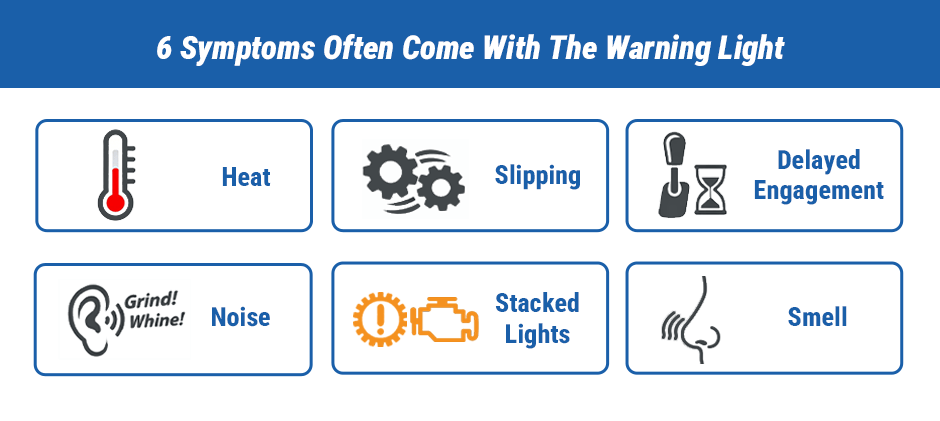
For a more detailed breakdown of these signs, read our guide on 10 Early Signs of Transmission Problems You Shouldn’t Ignore.
Low fluid causes low pressure and heat. The wrong fluid can foam or lose viscosity, especially under hard pulling. Knowing How Often Should You Change Your Transmission Fluid is key to preventing this.
Heat builds fast in sand, mud, towing, or long climbs. A blocked cooler, dirty radiator fins, or a failed fan can trigger the light. It is important to know What is a Normal Transmission Temperature so you can judge if your machine is actually running too hot.
Restricted flow starves the pump. This can cause whining noises and pressure warnings.
Leaks often show up after impacts. Off-road vibration can loosen fittings and chafe hoses.
A worn or wet belt slips and overheats. Some machines report this as a transmission warning because the drive system is at risk.
A bad temperature sensor, pressure switch, or damaged harness can turn the light on even if the transmission is mechanically okay.
A stuck solenoid or electrical fault can cause wrong shift pressure. This can feel like harsh shifts, limp mode, or no movement.
Clear Statement: Most causes fall into four buckets—fluid, heat, flow, or electronics.
Cooling is the fastest “damage control.” Idle down, park safely, and let temps drop before checking anything else.
The correct level is everything. Use the right procedure (hot/cold check, engine running or off, level ground) from your manual. If you need a refresher, here is a guide on How to Check Transmission Fluid properly.
Leaks are usually visible. Check around the pan, axle seals, cooler lines, and fittings for wet dust, drips, or spray patterns.
Bad fluid gives clues. Dark color, burnt smell, or metal glitter suggest overheating or internal wear.
Blocked cooling is common off-road. Clean mud, grass, and snow from radiator/cooler fins and confirm the fan runs.
Loose connectors are easy wins. Reseat transmission sensors, check for bent pins, and inspect grounds for corrosion.
Codes save time. Many UTVs and newer machines store a code that points to a sensor, pressure circuit, or temperature issue. You can refer to our Complete Guide to Decoding DTC Fault Codes to help understand what the numbers mean.
Short tests prevent damage. Run lightly for 2–3 minutes, then recheck for leaks, temps, and whether the light returns.
“Fix the cause, not the light.”
You should stop and plan a deeper inspection. Repeated warnings often indicate restricted flow, cooling failure, belt/clutch slip, or pressure-control problems—issues that rarely “go away” on their own.
You should document conditions when they happen. Note temperature, speed, load, terrain, and whether it happens only after long pulls or only when cold, because patterns point to the real fault.
Clear Statement: If the machine goes into limp mode or loses drive, don’t keep pushing it.
Preventing the light is mostly about heat and clean fluid. Regular fluid and filter changes, keeping coolers clean, and checking hoses after hard rides reduce most off-road failures.
Small habits protect big parts. Warm up before heavy load, avoid riding the brake, don’t tow beyond rating, and keep water out of breathers and belt housings.
“Clean oil and cool temps are the cheapest insurance you can buy.”
A Transmission Warning Light is your early warning system for overheating, low fluid/pressure, restricted flow, or electrical faults. If you respond fast—cool down, check fluid and leaks, confirm cooling, then verify sensors—you can often prevent a small issue from becoming a full transmission failure. When you’re ready to replace wear items like filters, sensors, solenoids, seals, or hard parts, you can find reliable transmission parts at MechLink to get your machine back to work with less downtime.
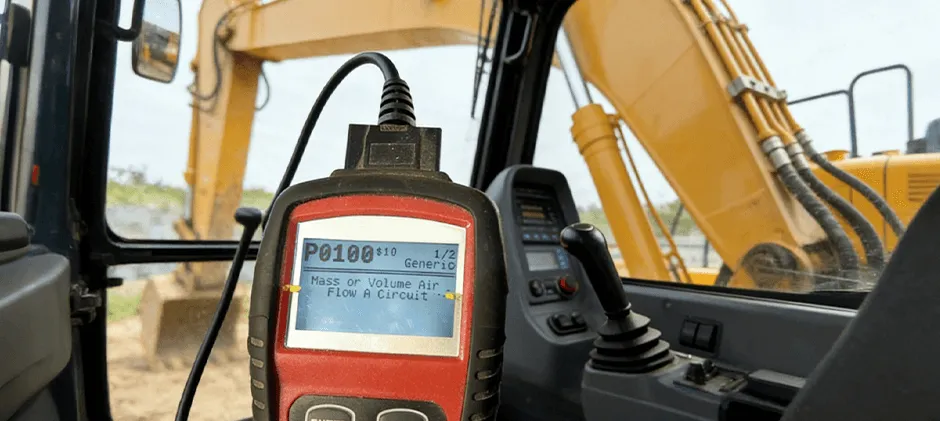
P0100 code: mass or volume air flow “a” circuit
2026-07-17
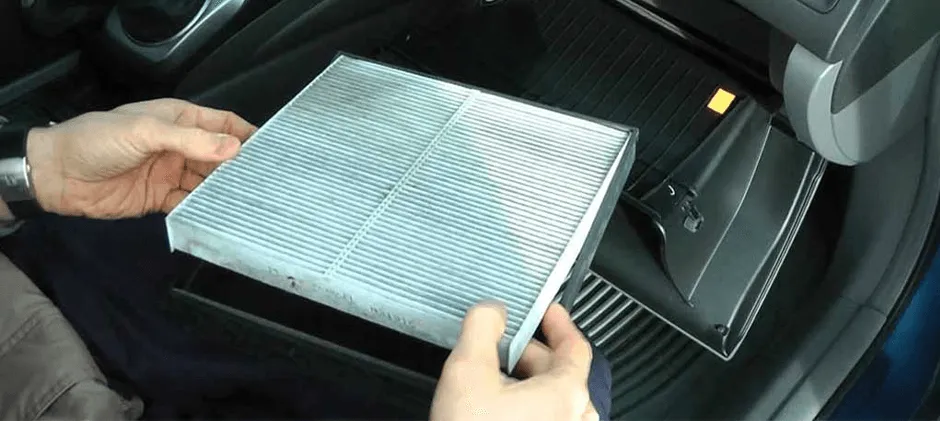
How often to change your cabin air filter?
2026-07-16
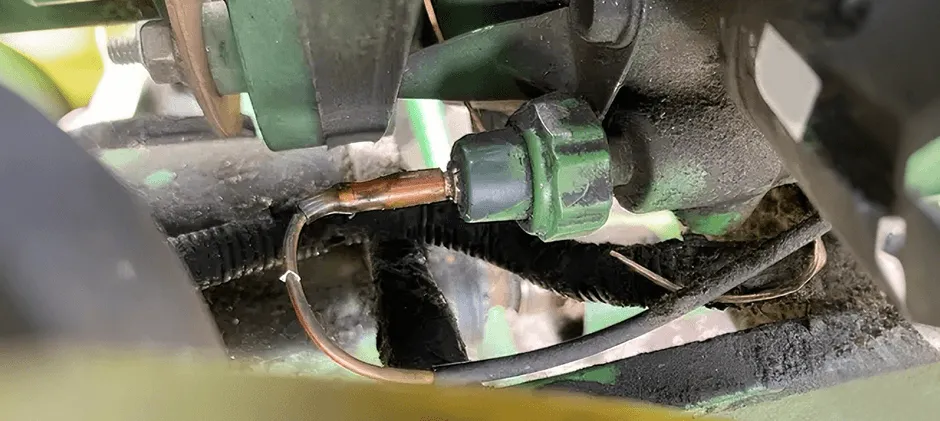
4 warning signs of a bad oil pressure sensor?
2026-07-16
How to prepare your fuel water separator for spring startup
2026-07-15