2026-07-05
Basic maintenance makes the equipment run efficiently. The engine air filter element is one of the parts that needs to be replaced frequently. It keeps the air entering the engine clean and prevents pollutants from damaging internal engine components. But this also means that the filter core will become increasingly dirty. The price of the filter element fluctuates between about $20 and $150, but it depends on the brand and filter type. Learn more about air filter element replacement.
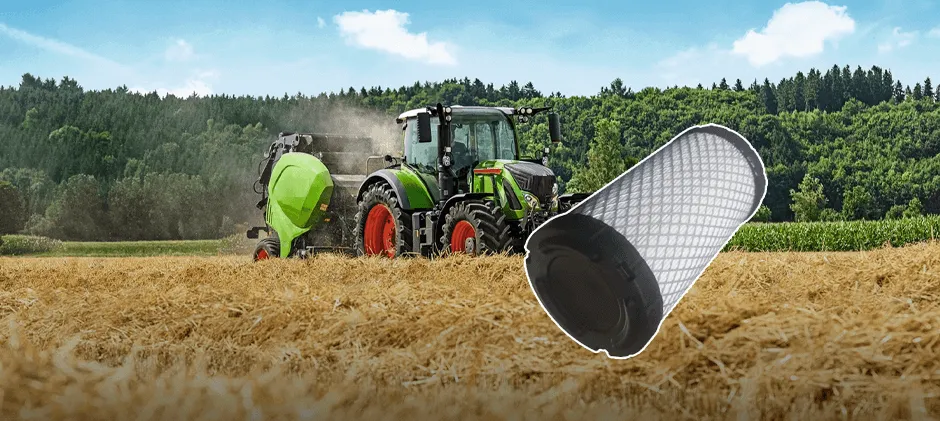
The engine air filter isn’t the full metal or plastic case on the engine side—that’s just the housing. The real working part is the filter element inside. It’s a precise screen, made of special paper or synthetic material and folded into pleats to make the surface area as large as possible. It catches harmful dirt and debris before they reach the engine’s delicate inner parts.
Off-road machines work in harsh conditions, so they need stronger filtration systems. Most excavators, loaders, bulldozers and tractors use a dual-element air filtration system:
Manufacturer guidelines give a basic rule, but you need to watch for warning signs in real use. Here’s how to tell it’s time to replace your air filter.
Most heavy equipment has a restriction indicator (also called a filter minder or gauge) on the air filter housing or air intake ducting. As dirt clogs the filter, vacuum pressure in the intake goes up—and the indicator measures this pressure.
It could be a simple pop-up button, a color-changing gauge (green to red), or an electronic sensor that sends a warning to the cab’s dashboard. When the indicator hits the red zone or triggers a warning, the filter is so clogged it restricts airflow and reduces performance. Time to replace the primary element. Don’t guess—follow the gauge.
An engine is basically a large air pump. It needs plenty of clean air to burn fuel efficiently, and a clogged filter cuts off that air supply. If your machine feels slow, struggles when under load, or responds sluggishly, a blocked air filter is the first thing to check.
Black smoke is a classic sign of an unbalanced air-to-fuel ratio. A clogged filter stops the engine from getting enough air, making it run rich—meaning there’s too much fuel for the available air. This unburnt fuel comes out the exhaust as thick black smoke, wasting fuel and showing the engine is having serious breathing issues.
If your machine doesn’t have a restriction indicator, a visual check is your next best choice. Carefully take the primary element out of its housing (we’ll explain how in the next section).
Look at the filter pleats. Are they packed with dirt, dust and debris? A little dirt on the filter is normal, but a heavily caked one needs replacing. A good test: Hold a shop light inside the element in a dark area. If you can barely see light shining through the pleats from the outside, the filter is too clogged to work properly.
This job is easy to do, but you’ve got to pay close attention to the small details.
Park the machine in a safe, flat spot—ideally away from blowing dust. Lower all attachments to the ground, set the parking brake, and shut off the engine. Let the engine cool down completely.
Locate the air filter assembly—it’s usually a big cylindrical canister hooked up to the engine’s air intake. Wipe down the entire outside of the housing and the area around it with a clean rag before you open anything. This keeps dirt from falling into the intake system when you take it apart.
Undo the clips or loosen the bolts that hold the housing’s end cap on. These are almost always big wing nuts or metal latches—you can usually work them by hand or with a simple tool. Take the end cap off carefully and set it aside.
You’ll see the big primary element right away. Twist it gently and pull it straight out of the housing. Don’t bang it against the sides—this can shake loose the dirt inside.
With the primary element out, you’ll see the smaller safety element inside. Leave it alone (don’t touch or take it out) unless you’re replacing it too. It’s there to protect the engine while the primary filter is out. Give it a quick visual check for dust or damage. If you see dirt on it, that’s a red flag—the primary filter failed, and you need to replace both right away.
Grab a clean rag, dampen it a little (don’t soak it), and wipe the inside of the housing clean—wipe from the inside out. Pay extra attention to the sealing surface where the filter touches the housing. Make sure there’s no dust or grit left inside at all. Never use compressed air to blow out the housing—this will blast dust straight into the engine intake.
Take your new primary element and slide it carefully into the housing. Push it in firmly until it sits tight against the back of the housing. Make sure it’s straight and seated properly—this creates a perfect seal.
If it’s time to change the safety element (normally after every 3-5 primary filter changes, or if it’s dirty), take the old one out carefully once the housing is clean. Pop the new one in right away, make sure it’s seated correctly, then install the new primary element.
Check the end cap for its rubber seal—make sure the seal is clean and in good shape. Place the cap back on the housing and line it up correctly. Fasten the latches or tighten the bolts evenly, so the seal is tight all the way around.
If your machine has a mechanical restriction indicator, press the reset button on the end of it. You’re all set to go now.
The right time to replace the filter depends on three things:
Here are the most common (and expensive) mistakes we see.
No matter what machine or brand you run, MechLink has the air filter you need. We stock both premium and cost-effective filters and filter elements for major equipment brands, all ready to ship.