
2026-07-22
Does hydraulic fluid freeze? In winter, as the temperature drops, although the hydraulic fluid will not freeze completely at 32 °F (0°C) like water, low temperatures can cause the hydraulic fluid to become very viscous or even stop flowing. We will explore the factors that influence its freezing point. and some effective ways to ensure smooth operation even in cold conditions.
Strictly speaking, hydraulic fluid does not “freeze” like water, but has an indicator called pour point.
It is the lowest temperature at which hydraulic fluid can still flow slowly. Once below this temperature, the oil ends up barely flowing, thick and sticky, like wax. Most common hydraulic fluids have a pour point around -10 °F (-23° C).
However, practical problems often arise before the pour point is reached. As soon as the temperature drops, the hydraulic fluid will thicken and the flow resistance will become significantly greater. Think of it like honey in the fridge —— not frozen, but very hard to pour. Hydraulic systems slow down and become unresponsive at low temperatures, which is often the reason.
Not all hydraulic fluids behave the same at low temperatures. Especially in low-temperature performance. Several factors determine how your hydraulic fluid will perform in low temperatures:

Preheat the machine first. It is dangerous to operate the hydraulic system right after the engine starts. When it is cold, the hydraulic fluid is very thick and it is difficult for the hydraulic pump to suck the oil up. Idle for 5–10 minutes, then slowly move the hydraulic pressure without load, such as lifting and releasing the boom, retracting and releasing the bucket and boom, for 10–15 minutes, and let the oil slowly circulate and heat up.
Listen carefully to the sound. If the hydraulic pump has a noticeable whistling or grinding sound, it means the oil is too thick and the oil supply is insufficient. Stop the pump immediately and continue to preheat or check for problems.
Check the rubber parts. Low temperatures can make hydraulic hoses and seals hard, brittle, and prone to cracking. Walk around the machine before work starts to see if there are any cracks or damage to the hoses. Hose bursting under high pressure is a serious safety hazard and will directly stop work.
Try to park the machine. If conditions permit, it is best to park indoors. If you can only park outdoors, cover with a tarp to avoid snow and ice. Crawler-type equipment, such as excavators and bulldozers, has wooden boards or blocks placed underneath to prevent the tracks from freezing to the ground.
Prevention is better than cure, which is especially important for hydraulic systems in winter.
When the hydraulic fluid is too thick, the first thing to be injured is the hydraulic pump. The oil is too sticky and the pump has to work harder to get the oil out of the tank, which can quickly cause problems:
Finally, the entire system will become slow, unstable, and weak, and if it is dragged any further, it will stop work completely. And it’s not just the hydraulic pump that will be damaged, the motor, cylinder and valve will also be involved.
Cold weather can really mess with how well your hydraulic system works and how long it lasts, so it’s super important to take steps to stop it from freezing up. Check the fluid regularly, warm up your equipment properly, and protect the rubber parts—this way you’ll avoid costly breakdowns and poor performance.
Want to find more hydraulic system parts? Head to the product pages at MechLink. We have parts that fit all major heavy equipment brands, and they’re priced right.
It’s a few simple steps together. Use the right winter hydraulic fluid first. Then make sure there’s no water in the system—water’s the one that freezes into ice crystals. Always warm up the machine really well before using it, so the fluid can flow and heat up. Storing the machine inside is the best thing, but it’s not always an option.
Yes, it really will. Like most liquids, hydraulic fluids become larger when heated.
This is also why the hydraulic tank cannot be filled. Space needs to be left to allow the oil to warm up and have some room to accommodate this thermal expansion. If the oil is overfilled, the system pressure will rise as soon as the temperature is high. May blow seals and even damage other components.
When it’s cold, thick oil makes the pump unable to suck in enough oil. And this leads to all sorts of issues: the pump’s easy to damage (from cavitation), hydraulic movements get slow and unresponsive, and the whole system’s pressure goes up. Once the machine runs, the oil has to push through all that resistance; it heats up fast, and pressure gets even higher—this can cause a whole chain of breakdowns.
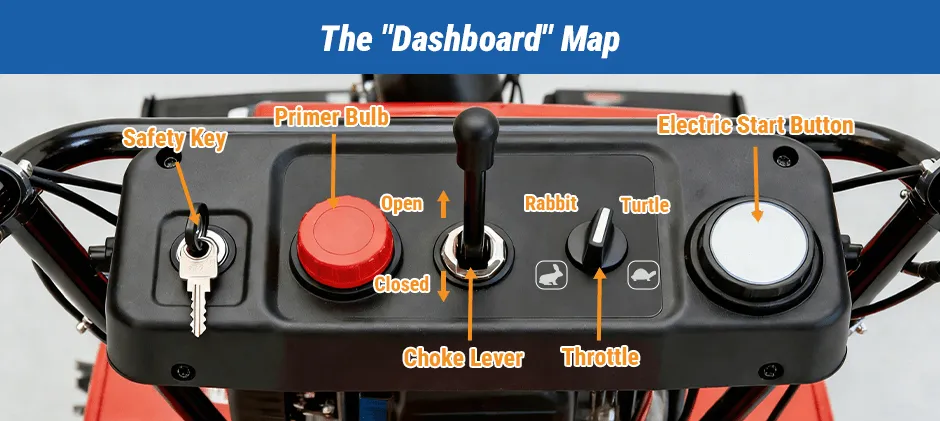
How to start a snow blower: a step-by-step guide
2026-07-22
What is cummins p203f: engine error code causes explained
2026-07-21

P20ee code explained: what it means, causes, & fixes
2026-07-21
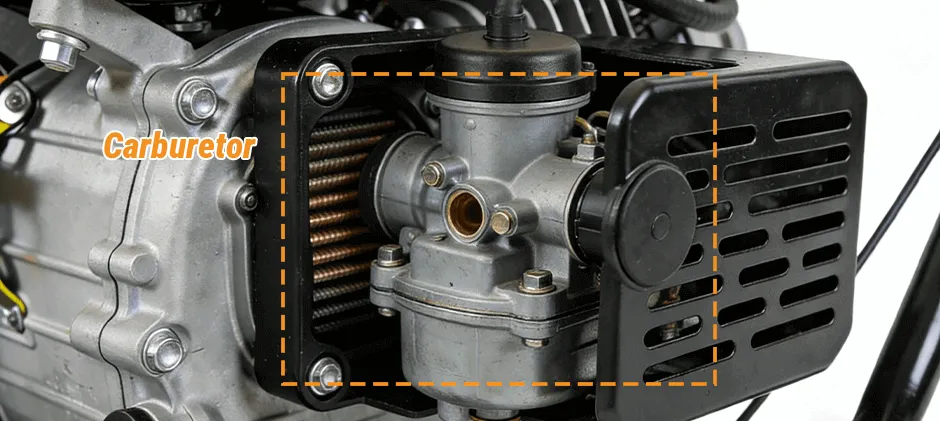
How to clean snow blower carburetor: a step-by-step guide
2026-07-20