
2026-06-02
Spring has launched in North America, and what is waiting ahead is the upcoming busy farm season. Have you awakened your tractor from the cold season and prepared it for the heavy workload? To maintain the optimal performance of the machine, having sufficient farm tractor parts or replacements is more important. In this guide, I will highlight the top 12 must-have replacement parts for farm tractors, aiming to keep your farm equipment running at peak performance!
/filters:format(.webp)/filters:quality(50)/news/1773651105327-Explore-Farm-Tractor-Parts-at-FridayParts.png)
We all know that sinking feeling when you turn the key, and nothing happens. A dead battery can bring your whole operation to a halt, especially when you’re up against a deadline. That’s why keeping your battery in good shape is super important. We need our heavy-duty tractor equipment to be reliable.
A healthy battery is the heart of your tractor’s electrical system. It provides the necessary power to start the engine and run all the electrical components, from lights to sensors.
Here’s what we’ve learned about tractor batteries over the years:
When it comes to replacement parts for tractors, don’t skimp on the battery. We always keep a spare on hand, just in case. Don’t forget to check out the aftermarket farm tractor components.
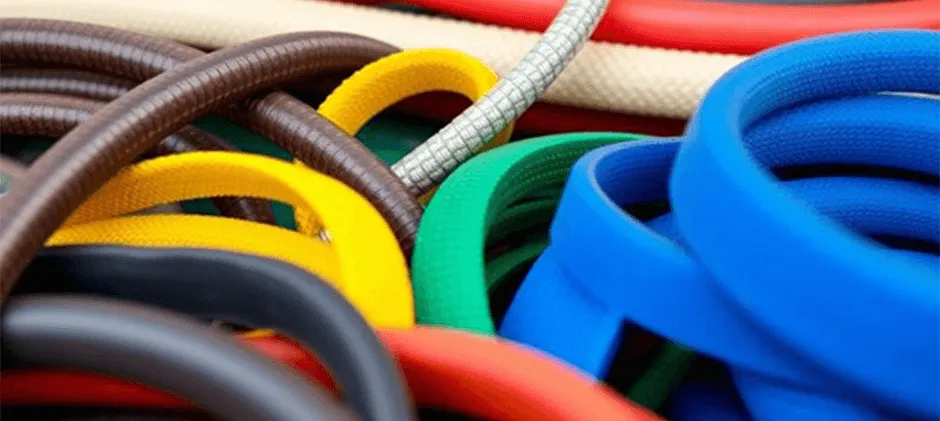
What do hydraulic hoses do in a tractor? They connect to different parts and let hydraulic fluid do the work, like lifting heavy things or steering. Keeping these hoses in good shape is key to avoiding downtime.
A burst hose can stop you in your tracks and make a mess. Plus, it can be dangerous if it happens at the wrong time. We’ve found that regularly checking and replacing them saves a lot of trouble in the long run.
We always make sure to inspect hydraulic hoses for any signs of wear, like cracks or bulges. Replacing them before they fail is way cheaper than dealing with a breakdown in the middle of a field.
Here are a few things we keep in mind:
A good hydraulic hose can make all the difference in getting the job done right.
When it comes to farm tractors, the PTO shaft is a critical component for transferring mechanical power from the tractor to implements. It’s basically the muscle that drives a lot of your equipment. We’ve seen firsthand how a worn or damaged PTO shaft can bring operations to a standstill. Regular inspection and timely replacement are key to avoiding downtime.
Here’s what we usually look for:
Keeping the PTO shaft properly maintained not only ensures efficient power transfer but also significantly reduces the risk of accidents. Always make sure the safety shields are in place and in good condition. A little grease goes a long way, too!
It’s also a good idea to check the hydraulic arms and other moving parts for wear and tear. Replacing a PTO shaft might seem like a hassle, but it’s a lot easier than dealing with a major equipment failure in the middle of a field.
Drive shafts are responsible for transferring power from your farm tractor’s engine to other parts of the machine. We’ve seen our fair share of busted ones, and let me tell you, it’s never a good time.
Think of the drive shaft as the backbone of your farm tractor’s power transmission. It’s what allows the engine’s rotational force to be used by other components, like the wheels or PTO shaft for implements. So, keeping it in good shape is super important.
Here are a few things we always check:
Replacing a drive shaft is not a complicated job that can be done by yourself. And always remember to disconnect the battery before you start working on anything electrical or mechanical.
Among all the farm tractor parts, tiller attachments are essential for preparing soil for planting. They break up compacted earth, aerate the soil, and incorporate nutrients, making it easier for seeds to germinate and plants to thrive. We’ve found that having the right tiller attachments can significantly improve the efficiency and effectiveness of our farming operations.
A well-maintained tiller ensures consistent soil preparation, leading to better crop yields.
When selecting tiller attachments, consider the type of soil you’re working with and the size of your tractor. Different attachments are designed for different tasks, so it’s important to choose the right ones for your specific needs. For example, heavy-duty tillers are ideal for breaking up hard, rocky soil, while lighter tillers are better suited for cultivating gardens and small plots.
Regular inspection and maintenance of tiller attachments are crucial for preventing breakdowns and ensuring optimal performance. This includes checking the tines for wear and damage, lubricating moving parts, and replacing worn components as needed.
Here’s a list of common tiller attachment issues and how to address them:
Hitches are the unsung parts that allow us to connect various implements to our tractors, making tasks like plowing, planting, and mowing possible. Without a properly functioning hitch, we’re dead in the water.
Think of the hitch as the connection point between your tractor and whatever tool you’re using. If it’s worn, damaged, or just plain unreliable, it can lead to downtime, safety hazards, and a whole lot of frustration. We’ve all been there, right? Spending hours trying to get an implement attached, only to realize the hitch is the problem. That’s why we always make sure to keep a good stock of replacement parts on hand.
Regularly inspecting your hitches and couplings is a must. We check all pivot points, hydraulic arms, and other moving parts to ensure everything is working as it should. It’s a simple step that can save us a lot of headaches down the road.
Here are a few things we keep an eye on:
For Category 1 tractor owners, a quick and economical hitch can simplify things. It makes connecting implements faster and easier. Keeping these parts in good shape is just part of the job, and it’s something we take seriously.
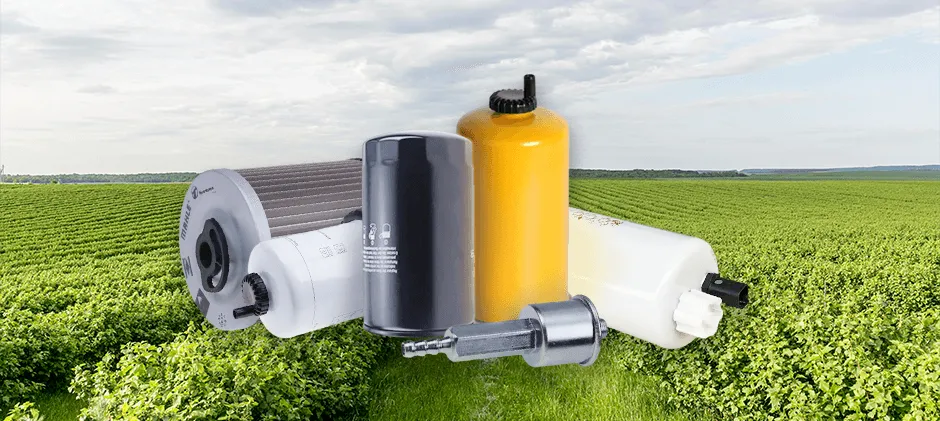
Next part, we will be discussing all kinds of must-have filters for your farm tractor. Let’s begin with the engine oil filters. Basically, the oil filter’s job is to trap all the dirt, debris, and contaminants that can build up in your engine oil over time. If you don’t change the filter regularly, it can get clogged, which means dirty oil is circulating through your engine. And that can lead to some serious wear and tear.
Changing your oil filter regularly is one of the easiest things you can do to extend the life of your tractor’s engine. We usually change our tractor’s oil and filter every 100-200 hours of use, but it really depends on the type of work you’re doing and the conditions you’re working in. Always check your tractor’s manual for the manufacturer’s recommendations. It’s also a good idea to keep an eye on the oil itself. If it looks dirty or sludgy, it’s time for a change, regardless of how many hours you’ve put on it. Choosing the right oil filter is also key. Make sure you get one that’s specifically designed for your tractor’s make and model. Using the wrong filter can cause problems with oil flow and filtration, so it’s not worth skimping on this. We usually stick with the manufacturer’s recommended filters, but there are some good aftermarket options out there, too.
How to choose the best engine oil filters for your tractor? How to choose among different materials? Please read: Ultimate Guide to Choosing the Best Engine Oil Filter for Your Tractor
Air filters prevent dirt, dust, and other debris from getting into the engine, which can cause some serious damage over time. Think of them as the first line of defense for your engine’s health. We’ve seen firsthand how a clogged or dirty air filter can reduce engine performance and fuel efficiency. So, keeping an eye on your air filter is a must.
Here’s what we usually do:
Replacing your air filter is one of the easiest and most effective ways to maintain your tractor’s engine. A clean air filter ensures that your engine gets the clean air it needs to operate efficiently, which can improve fuel economy and extend the life of your engine. Don’t skip this simple maintenance task!
We also keep a few spare air filters on hand. It’s always good to be prepared, especially during busy seasons when you don’t have time to run to the store.
You might also be interested: 8 Must-Know Signs of a Bad Engine Air Filter & Everything You Need to Know
A clogged or dirty fuel filter can cause some serious headaches. Think about it: the fuel filter’s job is to keep all the dirt, rust, and other junk out of your tractor’s fuel system. If it gets clogged, your engine won’t get enough fuel, leading to poor performance, hard starts, or even a complete shutdown.
We need to think about fuel contamination. Storing fuel properly is key. Always use clean, sealed containers, and try to avoid leaving fuel sitting around for too long, especially in humid conditions. Water and condensation can build up, leading to rust and algae growth, which will mess with your tractor’s fuel system.
Here are a few things we try to keep in mind:
Changing the fuel filter is a pretty simple task that can save us a lot of money and downtime in the long run. It’s one of those things that’s easy to put off, but it’s definitely worth the effort. Plus, it gives us a chance to inspect the fuel system for any other potential problems.
When to change a fuel filter? 10 Signs of a Bad Fuel Filter You Can’t Ignore
Think of belts and hoses as the circulatory system of your tractor. They’re responsible for carrying vital fluids and transferring power to different components. Over time, heat, pressure, and exposure to the elements can cause them to degrade, leading to cracks, leaks, and eventual failure.
Here’s what we usually look for:
Replacing belts and hoses might seem like a small thing, but it can save you from major breakdowns and costly repairs down the road. It’s a simple form of preventative maintenance that pays off in the long run.
If you’re running a hyaline or mower conditioner, you know these are critical. They’re the teeth that do the actual cutting, and they take a beating. Rocks, tough stems, you name it – they’re constantly under attack. We’ve all been there, right? Out in the field, making good time, and then BAM! You hit something, and suddenly your cut quality goes to pot. Time to check the sickle section.
Keeping a good supply of replacement sickle sections on hand is just smart farming. It’s way better to spend a few minutes swapping out a damaged section than to limp through the rest of the field with a ragged cut. Plus, those ragged cuts can lead to slower drying times and lower quality hay.
Here are a few things to keep in mind:
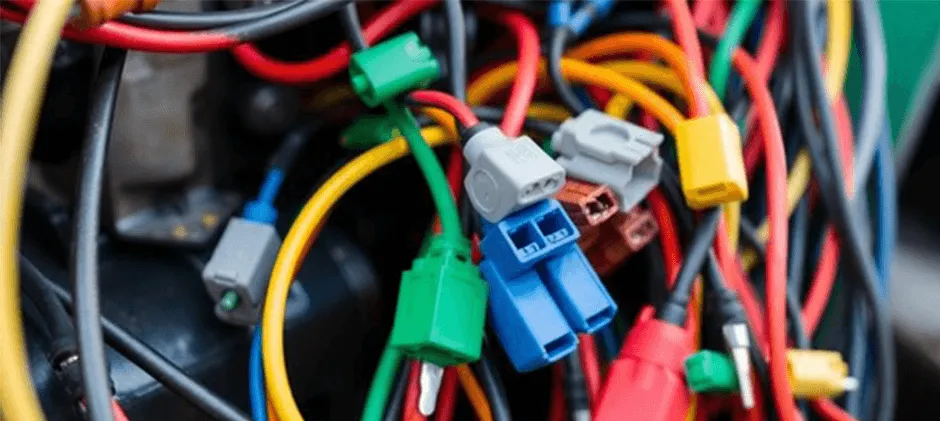
Electrical issues can be a real headache on the farm. We’ve all been there – a light that won’t turn on, a starter that won’t crank, or some other electrical gremlin causing downtime. Keeping your tractor’s electrical system in good shape is super important for reliability and safety. Let’s talk about what to watch out for and what replacement parts you might need.
Moisture and extreme temperatures can really mess with electrical components. Always inspect wiring for cracks, breaks, or corrosion, especially after periods of heavy use or storage. Using dielectric grease on connections can help prevent corrosion and ensure a good electrical connection.
Here’s a simple table showing common wire gauge uses:
| Wire Gauge | Typical Use |
| 10-12 | Starter motors, high-amp circuits |
| 14-16 | Lighting, accessory circuits |
| 18-20 | Sensor circuits, low-amp signals |
So there you have it! The top 12 replacement parts every farmer should keep on hand for their tractors. Whether you’re dealing with a busted hydraulic hose or a worn-out battery, having these parts ready can save you a lot of trouble down the road. Remember, regular maintenance is key to keeping your tractor running smoothly and efficiently. And if you ever find yourself in need of any farm tractor parts, MechLink has got you covered. Happy farming, and may your tractors always be in tip-top shape!
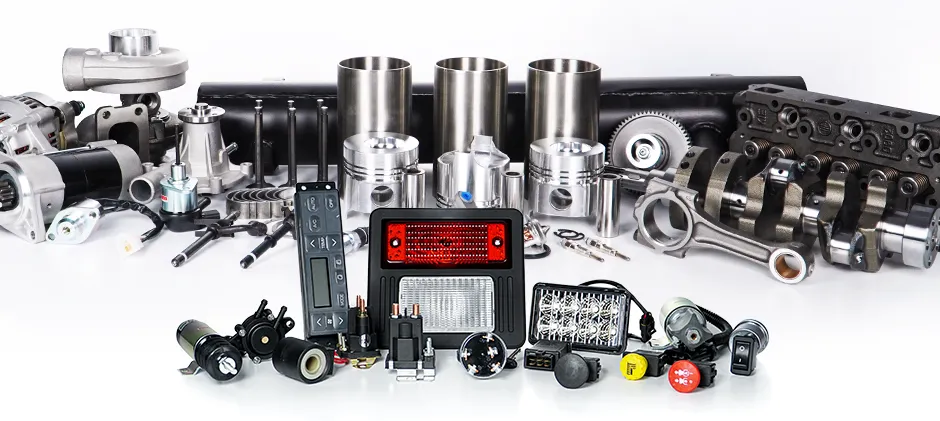
The 30 most popular kubota parts at mechlink
2026-09-21
How to choose the best water pump for your heavy equipment
2026-09-21
Ultimate guide to choosing the best engine oil filter for tractor
2026-09-20
How much does a ford f-150 weigh? 2026 complete guide
2026-09-20