2025-12-23
Diesel engines power the most capable heavy equipment used in construction today. Not only are diesel engines more robust and reliable than their gasoline counterparts, they’re more efficient as well.
Critical to the performance of diesel engines is the unique design of their fuel systems. A diesel engine’s fuel system consists of an array of components designed to store, transport and combust fuel in a controlled process.
When a diesel engine’s fuel system breaks down, the entire engine stops functioning. Therefore, properly maintaining your diesel engine’s fuel system is critical for longevity and performance.
In this guide, we’ll go over the most important maintenance requirements of diesel fuel systems. By adequately maintaining your diesel engine’s fuel system, you can prevent downtime and improve operating efficiency.
The components that make up a diesel engine’s fuel system are some of the most critical components in heavy equipment. Understanding the key role each of these parts plays in regulating your machine’s performance is essential for getting the most out of your heavy equipment fleet.
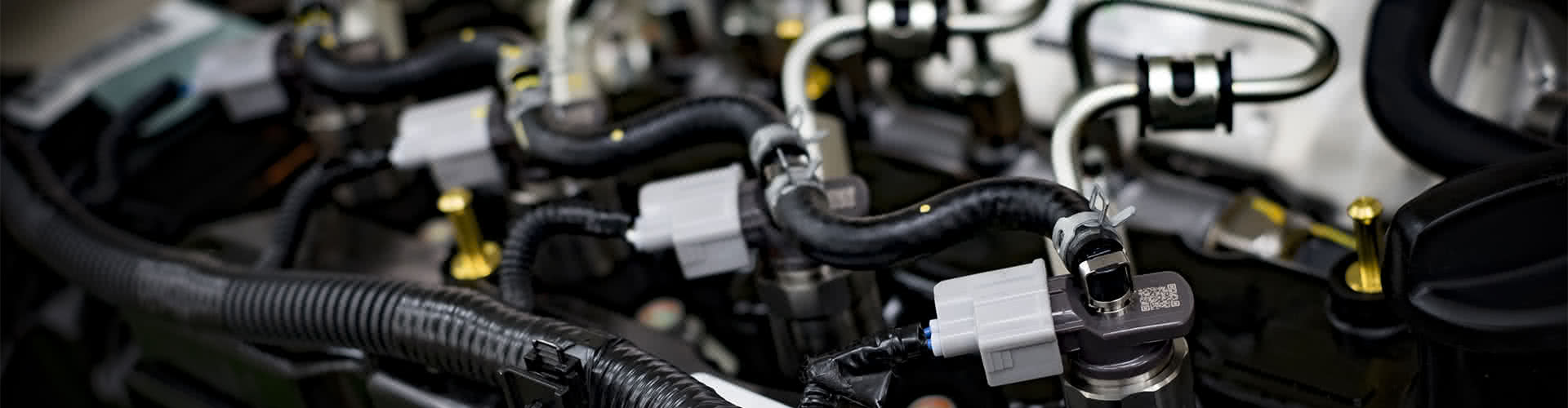
Fuel injectors atomize diesel fuel and pressurize it before injecting it into the engine’s cylinders. The timing of the fuel injections, as well as the pressure and amount of fuel injected, are crucial to the fluid operation of diesel engines. The critical function of fuel injectors makes them some of the most important components in the fuel system.
Fuel pumps play the crucial role of moving fuel from the fuel tank to the injection system. These pumps, powered by the engine, allow adequate fuel to reach the injection system quickly and efficiently.
Fuel filters serve the function of keeping the diesel fuel pure and free of contaminants. Most diesel fuel systems have several such filters, with each filter installed at a different point along the fuel system. Without fuel filters, contaminated fuel circulating through the engine could clog injectors and erode the interior walls of the cylinders, leading to engine malfunction.
Fuel lines are found throughout diesel fuel systems. They transport fuel between components, maintaining adequate system pressure and preventing the ingress of contaminants into the system. In most systems, several weights of fuel lines are used, with heavyweight lines connecting high-pressure components and lightweight lines connecting low-pressure components.
Fuel tanks store diesel fuel to be consumed by the engine. These specialized tanks are designed to maintain the purity of the fuel while allowing adequate air intake to keep neutral air pressure inside the tank.
Diesel fuel is combusted by diesel engines. Compared to regular gasoline, diesel fuel is more efficient and creates fewer emissions when combusted.
Fuel water separators, which are frequently integrated with the fuel filter unit, use differences in density to separate water from diesel fuel. This process helps protect the engine by removing water from the fuel, which can lead to corrosion and engine failure.
Glow plugs are electrically heated elements designed to heat the fuel cylinders before starting the engine. While they aren’t used in all diesel systems, they can be useful in engines with low compression ratios during cold conditions.
While fuel systems are robust and powerful, they’re also prone to several common issues. Some of these issues include:
Many fuel system issues arise when the fuel is contaminated and water, dirt or air have been introduced into the system. These contaminants can cause corrosion, leading to the degradation of hoses, filters, injectors and pumps.
When contaminants have entered the fuel system or components have started to fail, you may notice a dip in your heavy equipment’s performance.
Some common signs that there is a problem with the fuel system include symptoms like loss of power, a sudden increase in fuel consumption, engine misfires, visible smoke coming from the exhaust and engine stalling.
The type of fuel used in your heavy equipment can also affect engine performance. Modern diesel engines are designed to operate with specific fuel grades. Higher cetane fuels generally lead to better engine starting, smoother operation and reduced emissions.
Conversely, using the wrong fuel type, such as one with a lower cetane number than required, can result in hard starting, rough idling and increased smoke emissions.
Additionally, using old or degraded diesel can cause problems in the fuel system. Old or degraded fuel can cause deposits in the fuel system, leading to clogged filters and injectors, which in turn may impact combustion efficiency and power output.
Implementing an adequate maintenance strategy is crucial to avoid common fuel system issues in diesel engines. Regular inspections, conducted at routine intervals, are essential to identify and address potential problems early.
Routine checks for leaks and blockages in the fuel system should be performed at least once per month, depending on how frequently the machine is being used.
In addition, fuel injectors and pumps must be kept in optimal condition to maintain engine performance and efficiency. Neglecting these components may lead to reduced engine performance, higher fuel consumption and increased emissions.
Diesel fuel systems are essential to the reliable and efficient operation of diesel engines, particularly in heavy construction equipment.
By carrying out routine checks and upkeep, potential issues like clogged filters, fuel contamination and wear and tear on injectors and pumps can be mitigated, leading to reduced maintenance costs.
The MechLink Shop carries OEM and aftermarket parts for heavy equipment fuel systems. Our online parts catalog makes it easy to shop for replacement components of all types, helping you keep your equipment in top shape. Still can’t find exactly what you need? Reach out to our dedicated parts experts and get personalized assistance.