
2025-12-03
When it comes to moving heavy loads, bulldozing structures and digging in challenging terrain, torque is the name of the game. Torque is a measurement of your machine’s ability to do work. From excavators and skid steers, to dozers and backhoes — more torque means a more powerful, capable machine.
In order to achieve the high levels of torque required in heavy equipment, modern machines use a specialized type of motor known as a final drive. Put simply, the final drive takes the high-speed output of your machine’s engine and converts it into high-torque output.
Sometimes called a travel motor, the final drive employs a unique system of gears, located in a housing that sits on or near the machine’s axle or undercarriage. This system of gears acts like a reducer, slowing the rotational speed of the engine’s output while simultaneously increasing its torque.
Although the final drive is a durable, low-maintenance component, it can have an outsized impact on your machine’s performance if it starts to fail. Therefore, it’s crucial the final drive is well-maintained and inspected often.
In this guide, we’ll go over some of the signs that may indicate your machine’s final drive is starting to fail. We’ll also cover the best ways to keep the final drive in good condition, helping you save on repair costs and eliminate unnecessary downtime.

The final drive is critical to the efficient operation of your heavy equipment. When your machine’s final drive starts to fail, you may notice any number of unusual symptoms during operation. Here are some of the most common signs your machine’s final drive needs some attention.
While it may seem cheaper to put off final drive maintenance until a problem appears, doing so will lead to more expenses in the long run.
The better, more cost-effective strategy is to implement a preventive maintenance program that addresses the maintenance needs of the final drive and maintains its performance. Here are some critical final drive maintenance tasks that should be part of your program.
The first and most critical aspect of final drive maintenance is frequent inspections. Final drive leaks are relatively common, and they can have devastating effects on your machine’s health.
Typically, final drive leaks occur when a seal cracks or corrodes. Not only do leaks lead to insufficient lubrication, they may also allow the ingress of abrasive materials (such as silica) into the final drive casing.
The final drive contains gear oil that lubricates the gears and helps distribute heat generated during operation. A major aspect of final drive maintenance is maintaining the level of gear oil in your machine.
If the gear oil level becomes too low, the gears may begin grinding and overheating, rapidly deteriorating the components of the final drive. As a rule of thumb, the gear oil should be checked and topped off every 100 hours of operation, or about once per month.
In addition, the gear oil should be replaced entirely about once per year, depending on how heavily the machine has been used.
Keeping your machine’s undercarriage clean isn’t just good hygiene, it also helps preserve the integrity of the final drive. When dirt and debris become stuck to your machine’s undercarriage, they can corrode the seals of the final drive. Over time, corroded seals may begin to leak gear oil and allow the ingress of harmful contaminants into the final drive.
To prevent the degradation of the final drive’s seals, it’s important to keep the undercarriage clean and clear of debris. To this end, you should end each working day by spraying down the machine’s undercarriage and removing any caked-on debris, such as mud.
In some machines, the final drive has a small case drain filter that is located in the low-pressure case drain. If this filter becomes clogged, the final drive’s performance may be impacted.
Check your machine’s operating manual to find out if its final drive is equipped with a case drain filter. If so, you’ll need to change this filter according to intervals recommended by the equipment manufacturer.
While the final drive is a durable component capable of withstanding extreme conditions, it must be properly maintained. Implementing a preventative maintenance plan that adequately addresses the needs of your machine’s final drive is the best way to prevent breakdowns, minimize costly repairs and reduce unnecessary downtime. If your machine’s components become worn or damaged due to a malfunctioning final drive, look no further than the MechLink Shop. Our growing catalog of OEM and aftermarket heavy equipment parts has you covered. Can’t find what you’re looking for? Reach out to one of our parts experts and get personalized assistance.
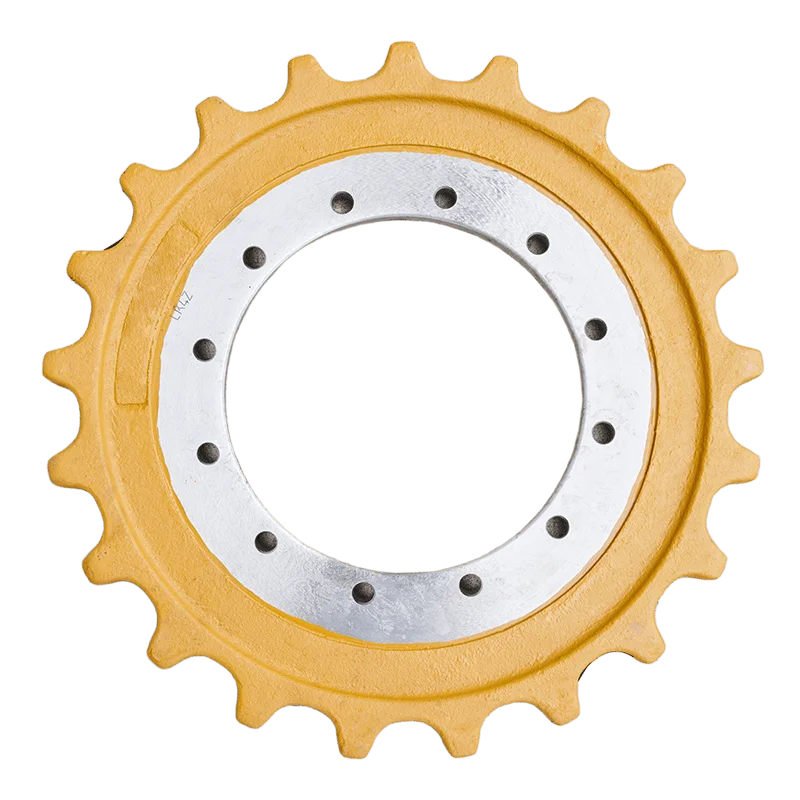
Comprehensive guide to excavator sprocket and segment
2026-04-03
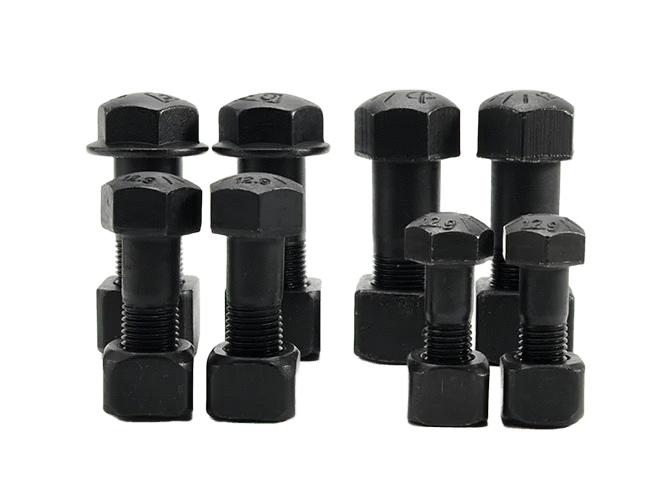
Excavator and bulldozer track shoe bolts and nuts
2026-04-03
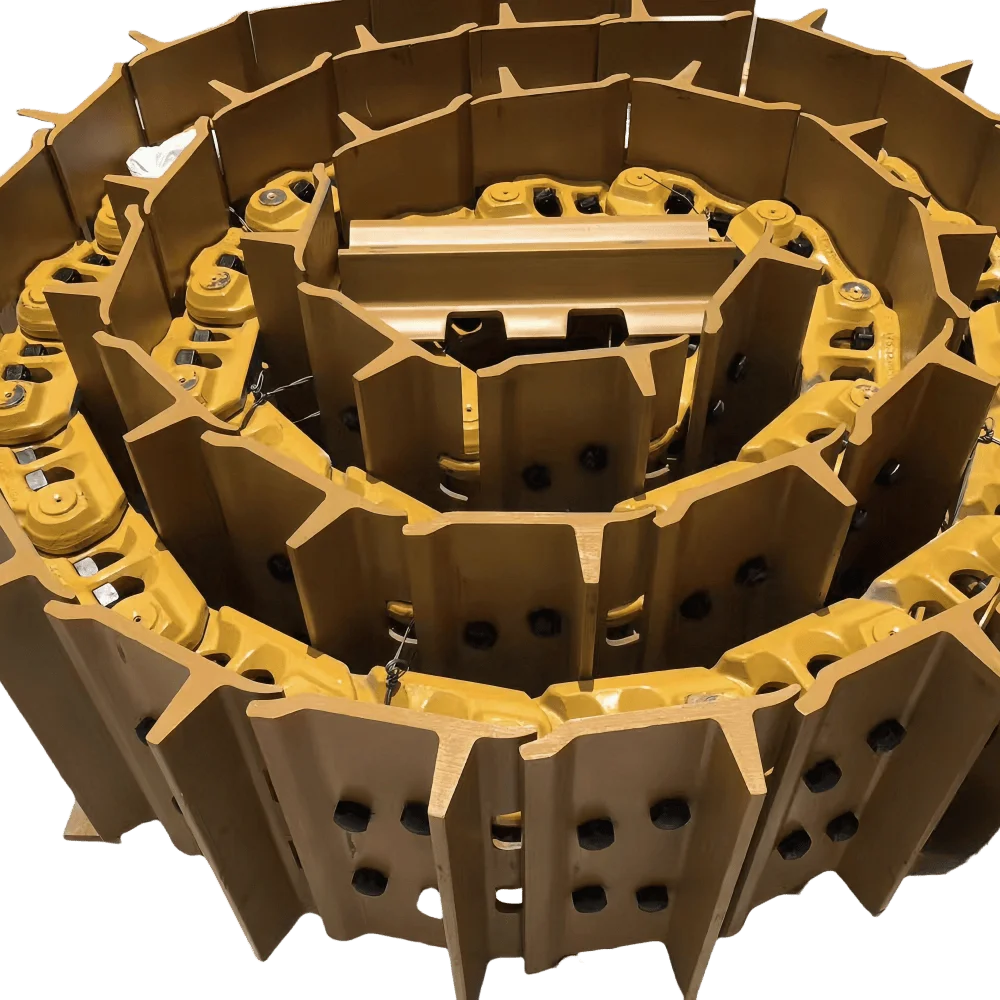
Difference between the track assembly of excavators and bulldozers
2026-04-02
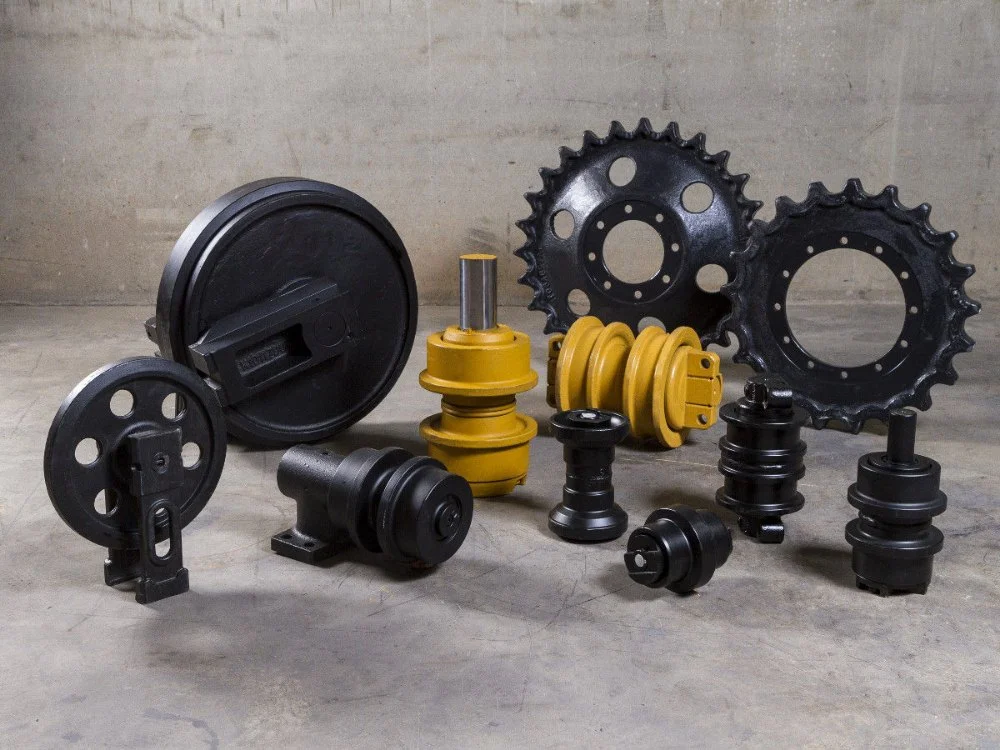
Accessories guide: comprehensive analysis of track rollers, carrier roller and idler wheel
2026-04-02