2026-01-06
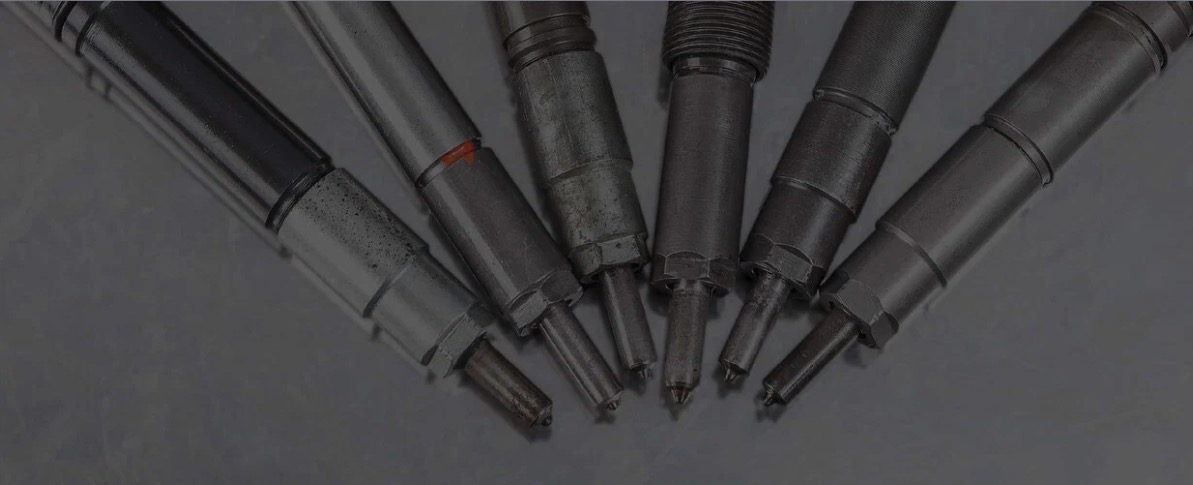
The diesel injector is one of the most crucial components in diesel engines, like those found in construction equipment. These small components deliver fuel to the engine by atomizing, then injecting fuel into the engine’s combustion chamber. This delicate injection process is key to achieving optimal fuel efficiency, power output and emissions control.
While diesel injectors are built to be robust and dependable, they occasionally encounter issues that impact engine performance. Over time, diesel injectors in heavy equipment can suffer from common problems such as clogging, wear and tear or deposit accumulation.
These issues can compromise engine efficiency, leading to increased fuel consumption, reduced power and downtime.
In this guide, we’ll cover the essentials of maintaining and cleaning diesel fuel injectors in heavy equipment. Getting to know how these critical components function, and how they must be maintained, will help you keep your equipment operating at peak performance.
When it comes to heavy equipment, understanding the mechanics behind diesel fuel injectors is essential for optimal machine performance and longevity.
At its core, a diesel injector is designed to deliver fuel to the engine's combustion chamber. The process begins when fuel is drawn into the injector. Under high pressure, this fuel is atomized into a fine mist and injected into the combustion chamber at precisely the right moment. This fine mist allows for more efficient and complete combustion.
A diesel fuel injector can be broken down into a few sub-components:
Diesel injectors directly influence the efficiency and power of an engine. Precise fuel injection leads to better fuel atomization, which in turn ensures more complete combustion. This not only improves fuel efficiency, but also enhances the overall power output of the engine.
An injector that is not functioning properly can lead to decreased performance, increased fuel consumption and uneven power delivery.
Diesel injectors have a direct impact on the emissions of heavy machinery. Better atomization and timing of fuel injection lead to more complete combustion, which reduces the emission of unburnt hydrocarbons, particulates and nitrogen oxides.
On the other hand, poorly maintained or malfunctioning injectors can lead to higher emissions, contributing to environmental pollution and potentially leading to non-compliance with emission standards.
Clogging and contamination of diesel fuel injectors are mainly caused by impurities in the fuel, particularly when low-quality fuel is used. Such contaminants lead to the build-up of deposits, affecting the injector's efficiency.
Prolonged idling can further exacerbate this by causing incomplete combustion and further deposit formation. Dirty injectors may disrupt fuel atomization, decreasing fuel efficiency and causing uneven engine operation. This imbalance can lead to increased wear on engine components like pistons and cylinder walls.
Clogged diesel injectors can cause serious problems if not addressed early on. Therefore, it’s important to recognize the signs of clogged or malfunctioning diesel injectors before more serious issues occur. Here are some common signs to look out for:
To clean your machine’s diesel injectors, follow these general steps:
For a more detailed guide to cleaning your machine’s diesel injectors, refer to the service manual for your machine and the cleaning kit instructions.
Repairing a diesel injector in heavy equipment often involves addressing issues beyond clogging, such as leaks or solenoid failures.
For leaks, typically occurring at the injector's body or at the connection with the fuel line, you'll need to replace the O-rings or seals. This involves disassembling the injector and fitting new seals, ensuring they are properly sized and seated.
Solenoid failure, on the other hand, requires a more complex approach. The solenoid, which controls the opening and closing of the injector valve, may need to be tested with a multimeter for electrical failure. If faulty, it often necessitates replacing the entire injector, as solenoids are integral to their design.
In most cases, repairing diesel injectors requires specialized equipment and knowledge. Therefore, it’s often worth it to seek the services of a qualified heavy equipment service technician.
Determining when to replace a diesel injector, as opposed to cleaning or repairing it, depends on a few factors. Generally, it's time for a replacement if an injector is severely damaged, shows signs of wear beyond repair, or consistently underperforms even after cleaning and repairs.
The lifespan of a typical diesel injector varies based on machine type and operating conditions, such as fuel quality, maintenance frequency and workload intensity. While there's no universal lifespan, injectors in well-maintained equipment under normal operating conditions can last for a long time before requiring replacement.
Regularly monitoring and maintaining diesel injectors is crucial to prevent long-term engine damage. For your diesel injector maintenance needs, check out the MechLink Shop, which offers a range of OEM and aftermarket engine components for various machine types. Can’t find the exact part you’re searching for? Reach out to our parts experts and get personalized assistance.