— March 17, 2026
/filters:format(.webp)/filters:quality(50)/news/1770797237821-How-to-Maintain-the-Bulldozer-Undercarriage-Parts.png)
In heavy machinery and equipment, the undercarriage system of the bulldozer is the foundation and core of the operation and function of the whole vehicle. Whether it is filling the factory, water conservancy or heavy transportation procedures, the bottom cover is sailing domineeringly. However, the bulldozer undercarriage parts are the most easily worn and damaged components in the bulldozer, and it is also the part that many operators do not pay enough attention to.
The bulldozer undercarriage parts are mainly composed of five parts:
These components form a complete undercarriage high-pressure motion system when running, just like the bones and joints of the human body. Any problem in any part may cause the whole vehicle to fail.
Because the undercarriage system has been working on clay, cement, sand, gravel, furnaces, and heavy-pressure roads for a long time, it is often polluted by wear, column impact, and rainwater. With the operation of the power shaft, the stress and heat energy increase sharply, causing the roller axle to wear rapidly. If daily maintenance is not performed, a small problem may produce a low cost of thousands of yuan.
In the construction industry, bulldozers have become vital equipment, and the quality of undercarriage components directly affects the performance and work efficiency of excavators. As a professional bulldozer undercarriage parts manufacturer, MechLink provides a series of high-quality, durable, high-performance chassis parts to help you improve work efficiency and reduce maintenance costs.
Are you looking for quality bulldozer parts at the best price? You have come to the right place. We are committed to providing excellent products and offering the best value to our customers. Your satisfaction is our motivation. Send an email to henry@gfmparts.com now and our bulldozer undercarriage experts will be happy to serve you.
In the field of construction machinery, the undercarriage system of the bulldozer is like a person’s “feet”, Bottoming the weight of the entire equipment and bearing the huge wear and impact caused by rugged terrain and complex environment. If daily maintenance is not in place, problems with the undercarriage parts will not only affect work efficiency, but may also bring serious consequences such as unexpected downtime and increased costs. Scientific and regular maintenance of the bottom cover parts is the key to the long-term stable operation of the equipment.
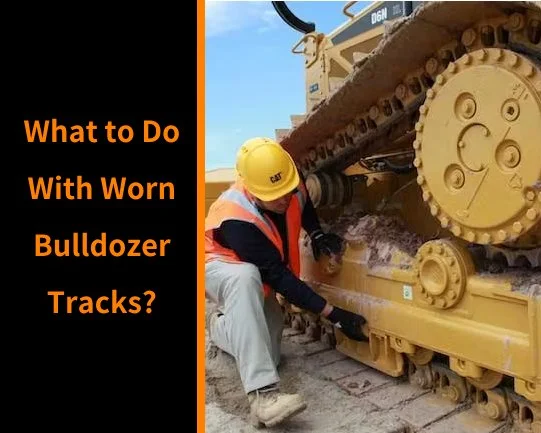
The damage of many undercarriage parts does not occur suddenly, but is the result of long-term accumulation. Spending a few minutes to do a simple visual inspection before and after work every day can effectively prevent the expansion of early damage. For example:
These inspection items may seem simple, but they can help you find problems in advance and curb damage that may lead to major repairs in the bud.
Bulldozers often operate in complex environments such as mud, gravel, and broken bricks, and undercarriage parts are easily surrounded by a lot of mud and gravel. If these impurities are attached between the chain and the roller for a long time, they will continuously polish the metal surface like “sandpaper” and accelerate the wear of parts.
Therefore, it is very necessary to thoroughly rinse the undercarriage part with a high-pressure water gun after each operation. Especially after working in rainy days or in wading areas, it should be cleaned and kept dry in time to prevent rust, jamming or freezing.
In addition, some fine gravel often accumulates between the sprocket and the Bottoming roller, which can easily block the roller rotation. It is recommended to use a screwdriver or a wooden stick to gently remove the remaining debris after each cleaning to keep the parts flexible.
Many wear and tear of undercarriage parts are not due to poor quality, but lack of lubrication. The Track idler, sprocket and Bottoming roller contain bearings, oil seals, bushings and other components. These parts need grease to reduce direct contact between metal and metal, reduce temperature rise and reduce friction during long-term operation.
Different environments have different requirements for lubrication:
Therefore, new grease should be added regularly according to the environment, neither too much nor too little. Checking once a month is a more reliable frequency, and special environments should be more frequent.
When lubricating, pay attention to using a special grease gun to ensure that the grease enters from the grease nozzle until the old oil is squeezed out. This means that the internal space has been filled and the lubrication is truly effective.
Whether the track is in a reasonable tension state directly affects the balance and stability of the whole machine. If the track is too loose, it is easy to slip off the track during turning, climbing and other actions. If it is too tight, each chain link is in a tensioned state, which will easily break the chain pin and increase the wear of the Bottom roller in the long run.
Experienced operators often judge whether the tightness is appropriate by the arc of the track droop. The track droops slightly in the middle, but does not drag on the ground, which is generally normal. If you are not sure, you can also adjust it through the standard measurement method provided by the manufacturer. When adjusting, do not use brute force, but use the tensioning cylinder or screw adjustment mechanism to complete the operation slowly and carefully.
It is worth reminding that every time a new track or chain link is replaced, the tension needs to be readjusted and checked again after a period of operation to ensure stability.
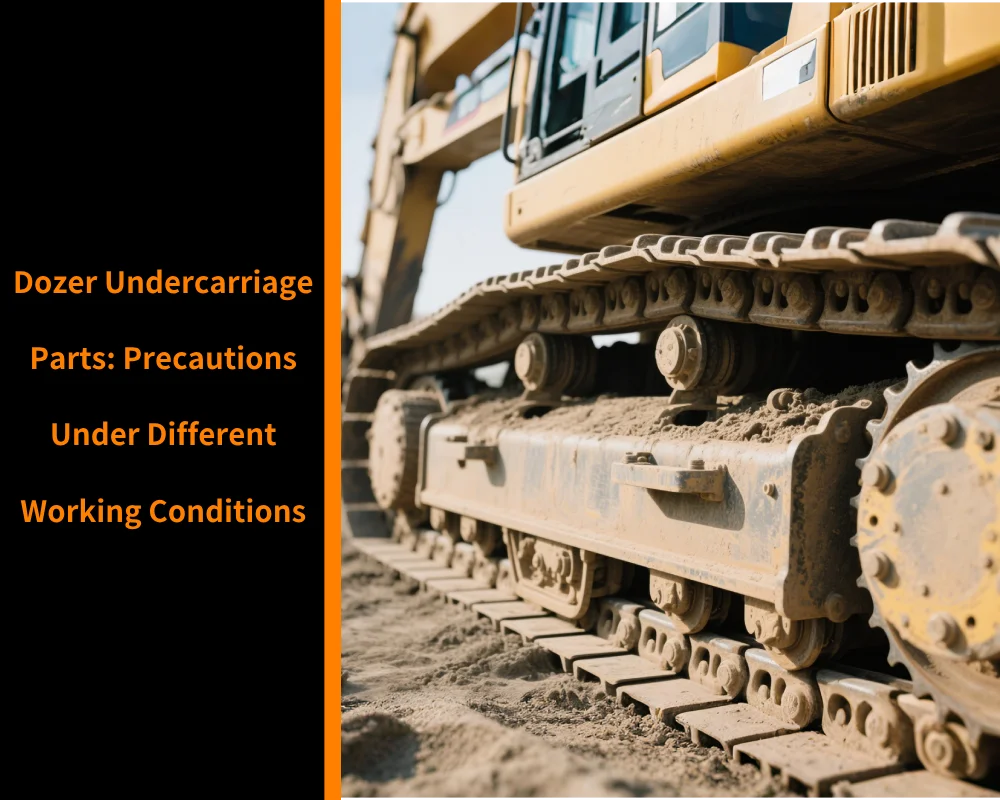
Although the undercarriage parts of the bulldozer are similar in structure, the working environment they face may vary greatly, and the maintenance methods should also be different:
In heavy-load conditions such as mines:
The undercarriage will be frequently impacted by boulders, and the rollers and brackets are very easy to deform and wear. At this time, it is recommended to use reinforced materials, such as high-strength steel, integral forging structure, and increase the thickness of the roller body. It is very important to check for cracks and deformation after daily operations, especially to pay attention to whether the centering accuracy of the bracket and the roller axle is offset.
In swamp or wetland environments:
Wet mud can easily wrap the track and roller body, which hinders the rotation of the parts and even causes the whole machine to sink. In such environments, widened track shoes should be used to increase the ground contact area, and mud scrapers should be installed to reduce mud accumulation. After the operation, they should be cleaned immediately and dried thoroughly to prevent metal parts from rusting.
In high-temperature plateau areas:
Metal expands at high temperatures, grease is diluted, and the wear rate of parts may increase significantly. At this time, high-temperature grease needs to be used, and the lubrication condition should be checked frequently. If the rollers are found to be hot or have a slight burning smell, it means that the lubrication is insufficient and the machine should be stopped immediately for inspection.
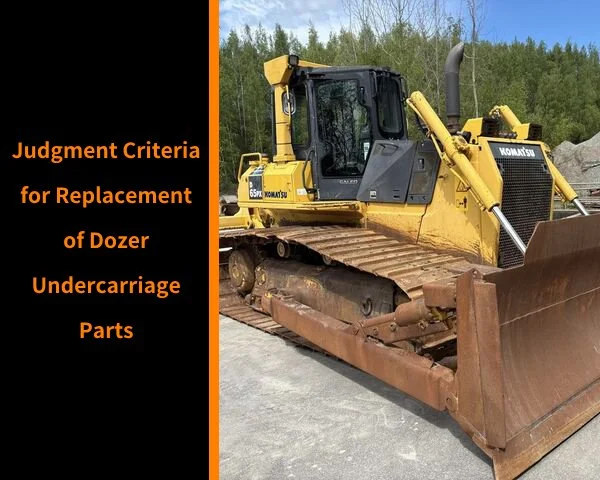
Many users are accustomed to “replacing them when they are broken”, but bulldozers are different from general mechanical equipment. Once their undercarriage system fails, it often causes the entire equipment to stop and even affects the construction progress. Therefore, it is very important to grasp the reasonable time to replace the bottom cover parts.
The following situations indicate that parts may need to be replaced:
Do not underestimate these phenomena. Once the parts fail, it will directly lead to construction interruption, and the maintenance cost and labor cost will be greatly increased.
As an experienced undercarriage parts suppliers, MechLink is well aware of the core demands of bulldozer users. The bottom cover parts we provide are not only closer to the actual application scenarios in design, but also strive for excellence in material selection, processing technology, assembly accuracy and other aspects.
Undercarriage parts are the foundation of the bulldozer. They determine whether the bulldozer can walk stably, work efficiently, and not fall off the chain at critical moments. It is not difficult to do daily maintenance well, and it does not require expensive equipment or tools. It only requires a little bit of meticulous observation and a responsible attitude towards the equipment.
When you really regard the undercarriage as the “first line of defense” of the equipment and adhere to scientific maintenance habits, it will return your trust with fewer failures, longer life, and lower costs. Only by scientifically and systematically maintaining, inspecting, lubricating and adjusting can the equipment be truly “down to earth” and continue to perform its effectiveness in high-intensity, high-frequency, and high-load engineering operations.
Selecting high-quality undercarriage parts, implementing scientific maintenance plans, and matching timely repairs and replacements will bring your bulldozer lower operating costs, longer life cycles, and higher operating efficiency. MechLink is also willing to work with global engineering machinery users to jointly create stable, efficient, and lasting operational guarantees.