How Much Does It Cost to Replace a New One?
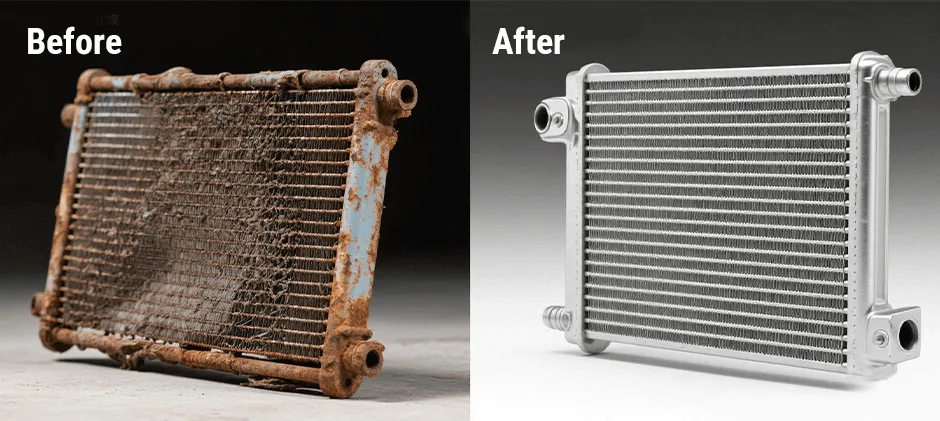
Typically, replacement parts for off-road equipment are not covered by the manufacturer’s warranty. If you need to replace a new one, it may cost between $700-$1,000. This may include the cost of labor to replace the part, depending on the condition of your equipment. If you can replace the equipment part yourself, you will save more money, but it may take you a day. If you are looking for a budget-friendly solution, non-OEM parts can be your best choice. Importantly, do pay attention to these parts quality though they are more cost-effective. At MechLink, aftermarket radiators range from $165 to $2,000, so you can find the best radiator for your needs. They are OE-grade, priced lower, and come with a compatibility guarantee. Buy with confidence.
What to Consider When Buying a New Replacement?
When purchasing replacement parts for off-road vehicles, the following points are usually considered:
Compatibility: Ensure that the radiator matches the brand, model, and year of your device. You need to check the part number carefully.
Material: The aluminum radiator is lightweight, has a good cooling effect, and is widely used in modern equipment. Copper and brass radiators are heavier but more durable and easier to maintain under some harsh usage conditions.
Core design: The number of rows and the density of fins will affect the cooling capacity. Select products that meet or exceed the original factory specifications to satisfy your application requirements.
Manufacturing quality: Select products with solid structure, high-quality welds, and well-formed water tanks.
Supplier reputation: Choosing a reputable supplier renowned for its high-quality parts can help you avoid more trouble. Sometimes, parts provided by non-original parts suppliers are often more durable because they have been dedicated to parts services for many years.
Where to Buy a Replacement Radiator?
You have several options for sourcing an off-road radiator replacement:
- OEM Dealers: Provide genuine parts, but are often the most expensive.
- Local Stores (Limited): May carry some common radiators, but specialized off-road machinery parts are less likely.
- One-Stop Online Stores: There is a wide range of radiators to choose from when purchasing online, and it is convenient to compare prices. You will hardly find a problem with finding accessories. Online stores that support online services and after-sales warranty are a good choice.
How to Replace a Radiator in Off-road Machinery?
Replacing heavy equipment parts is a significant task that requires mechanical skill and proper tools. While specific steps vary by machine, a general overview includes:
- Safety First: Ensure the engine is cool. Disconnect the battery. Wear safety glasses and gloves.
- Drain the Coolant: Place a drain pan underneath and open the radiator drain petcock or remove the lower hose. Dispose of old coolant responsibly.
- Remove Hoses and Lines: Disconnect the upper and lower radiator hoses, and any transmission or oil cooler lines running to the radiator.
- Remove Shrouds and Mounts: Detach any fan shrouds, brackets, or mounting bolts securing the radiator.
- Lift Out the Old Radiator: Carefully remove the old radiator from the machinery.
- Install the New Radiator: Position the new radiator and secure it with mounts and brackets.
- Reconnect Hoses and Lines: Attach all hoses and lines, ensuring clamps are tight.
- Refill with Coolant: Fill the system with the manufacturer-recommended coolant type and mixture.
- Bleed the System: Remove air pockets from the cooling system as per the manufacturer’s procedure. This is a critical step.
- Check for Leaks: Start the engine, let it warm up, and carefully check for any leaks. Monitor the temperature gauge.
If you are not comfortable with this process, it’s best to have a qualified mechanic perform the off-road radiator replacement.
How to Prolong Your Radiator’s Life?
Prevention is always better than replacement or repair. Proper maintenance of the parts of heavy equipment is the key to keeping them running for as long as possible.
- Regular Coolant Flushes: Follow your machinery manufacturer’s recommendations for coolant change intervals. Use the correct type of coolant.
- Keep it Clean: Regularly clean debris (dirt, leaves, insects) from the radiator fins using compressed air or a soft brush. Be gentle to avoid bending fins.
- Inspect Hoses and Clamps: Check for cracks, brittleness, or soft spots in hoses and ensure clamps are tight. Replace worn hoses proactively.
- Maintain Proper Coolant Level: Regularly check and top off the coolant level.
- Use Distilled Water: When mixing coolant concentrate, always use distilled water to prevent mineral buildup.
- Address Minor Leaks Promptly: Don’t ignore small leaks; they can worsen.
Conclusion
Knowing when to replace radiator components in your off-road machinery is crucial for preventing engine damage and ensuring operational reliability. By recognizing radiator failure signs and performing regular radiator maintenance, you can make informed decisions. If you’re facing an off-road radiator replacement, MechLink is here to help. We are a leading aftermarket parts supplier offering high-quality products at affordable prices. With a vast inventory and wide compatibility for many heavy equipment brands, we can provide the right radiator to get your machinery back to work quickly. Explore our selection today!
![Mechlink:Cat 3406e engine guide: specs, maintenance & parts [2026]](https://img.mechandlink.com/news/CAT-3406E-Engine-Guide-Specs-Maintenance-Parts-2026-3apm8t.png)
![Mechlink:Camshaft failure analysis: causes of excessive lobe wear [2026]](https://img.mechandlink.com/news/1773827546572-camshaft.png)