
2026-10-28
The undercarriage system of the excavator is a complicated construction, composed of tracks, rollers, and gears, which can be regarded as the “leg” and the “foot” of the machine. It is bearing the whole weight of the machine body, providing the traction on the most rugged terrains, and at the same time ensuring the stability that is demanded for the lifting of the heavy objects. Because this system is occupying a great portion inside the life-long maintenance cost of the machine, therefore, for any owner or operator who is wishing to extend to the maximum degree the normal running time of the machine and to protect his investment, it is being of extreme importance to understand its components and to carry out the proper maintenance.
The undercarriage resembles the leg and the foot of the excavator. It is the entire component beneath the machine’s outer shell (the cab, the engine, and the boom), by which the supporting and moving ability is provided. This framework bears the entire weight of the excavator, providing the traction required for movement on the construction site and ensuring the stability necessary for digging and lifting heavy objects. Although the configuration differs, the great majority of excavators are adopting the track system, which consists of a steel link, a pin shaft, a roller, and a sprocket, designed to achieve maximum durability and performance on rugged terrain.
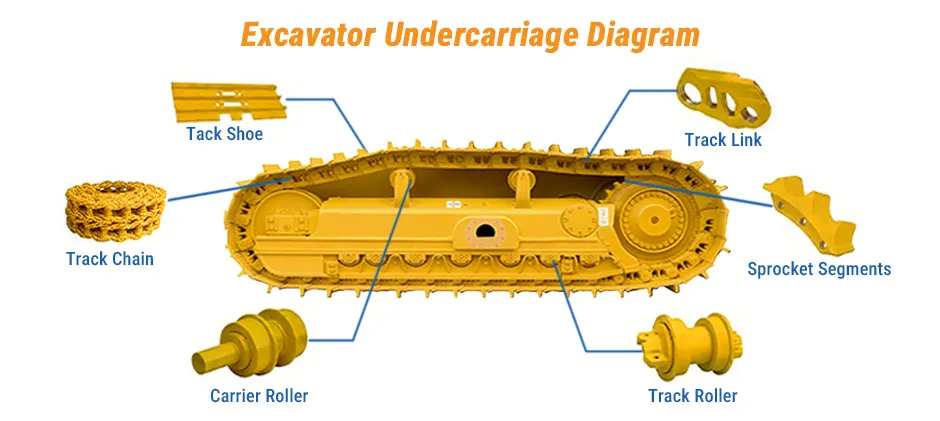
To apprehend the matter of maintenance, one must beforehand acquaint oneself with the essential components. The undercarriage system of the excavator is constituted as a system formed by parts interlinked with one another, each part bearing its own particular fu
These individual parts form a synchronized mechanical system to move tons of steel with precision. Here’s how it works:
This entire system is what makes up the complete crawler undercarriage, a robust platform that allows the excavator to navigate challenging terrain where wheeled machines could never go.
This is the multi-thousand-dollar question, and the answer is: it depends. While a general estimate for a well-maintained undercarriage is between 4,000 and 6,000 operating hours, this range is massive for a reason. The actual lifespan is determined by three key factors:
| Factor | High Wear (Shorter Life) | Low Wear (Longer Life) |
| Terrain | Hard rock, sharp debris, abrasive sand, sticky mud. | Soft soil, loam, grass. |
| Operator Turns | Constant sharp turns and counter-rotating (spin turns). | Wide, gradual turns. |
| Travel Speed | Always traveling in high-speed mode. | Use low-speed travel unless necessary. |
| Travel Direction | Excessive travel in reverse (wears bushings and sprockets faster). | Primarily traveling forward. |
| Work Style | Using the tracks to push or rip material. | Using the tracks for positioning only. |
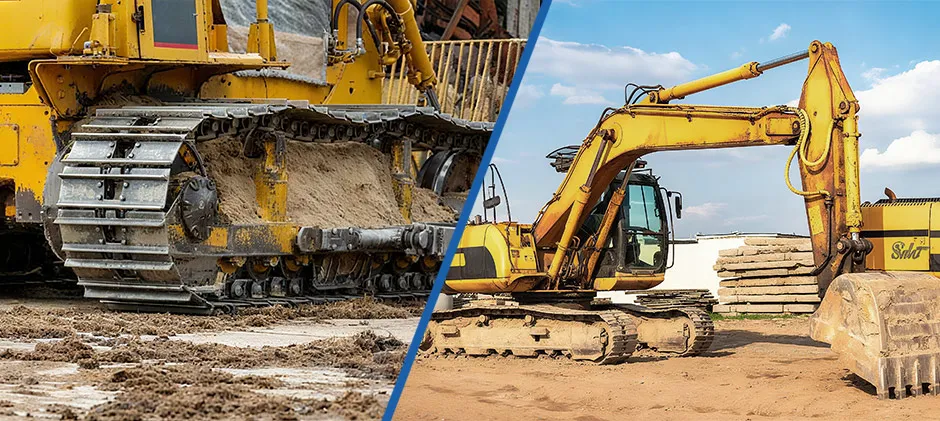
Since you can’t always control the terrain, maintenance and operator discipline are your keys to saving money. Here are the essential tasks.
This is the most important and cheapest maintenance task. Mud, dirt, and debris packed into the undercarriage add weight, increase friction, and can cause components to seize. In cold climates, frozen mud can act like concrete, stopping rollers from turning and grinding flat spots on them. A 10-minute cleaning at the end of the day can save you thousands in repairs.
Before starting work, do a quick walk-around. Look for:
This is critical. A track that is too tight creates immense friction and load, rapidly wearing out pins, bushings, rollers, idlers, and sprockets. A track that is too loose can cause the track to “derail” from the idlers and rollers, causing major damage and dangerous downtime. Check your operator’s manual for the correct amount of “track sag” and how to adjust it using the track adjuster.
Train your operators to:
When a component finally does wear out, replacing it promptly is key to protecting the rest of the system. A worn sprocket, for example, will quickly ruin a new track chain. Fortunately, you don’t need to pay high dealer prices. A trusted aftermarket parts supplier can provide high-quality, durable undercarriage components at affordable prices, helping you get back to work without breaking the budget.
The undercarriage of the excavator is a most significant investment, and the effective management thereof is the central element for a profitable operation. By means of unceasing cleansing, the daily inspection, and the cultivation of proper operating habits, one may remarkably prolong the service life of these essential components. When the replacement becomes an inevitability, at MechLink you may obtain the vast stock of parts, which are of superior quality and at the same time of an affordable price. This shall ensure that you are enabled to replace the worn components in a manner both swift and economical, thereby extending the machine’s uptime to the utmost degree and safeguarding your profitability.
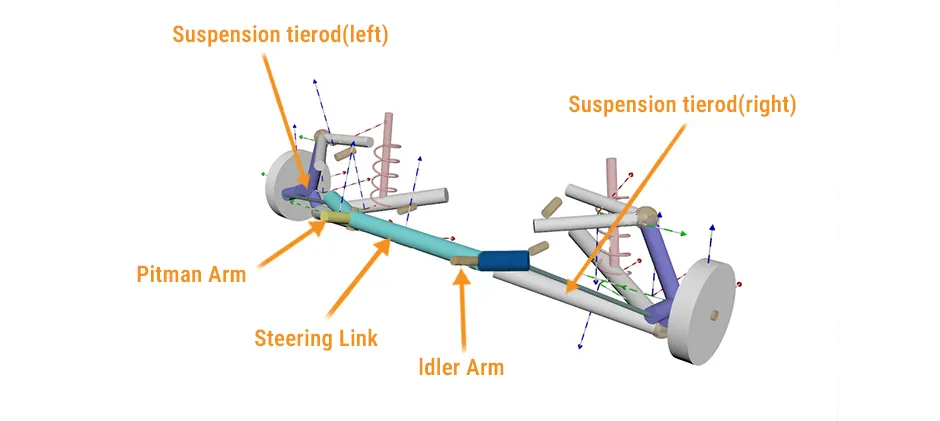
Everything you need to know about the idler arm
2026-10-28
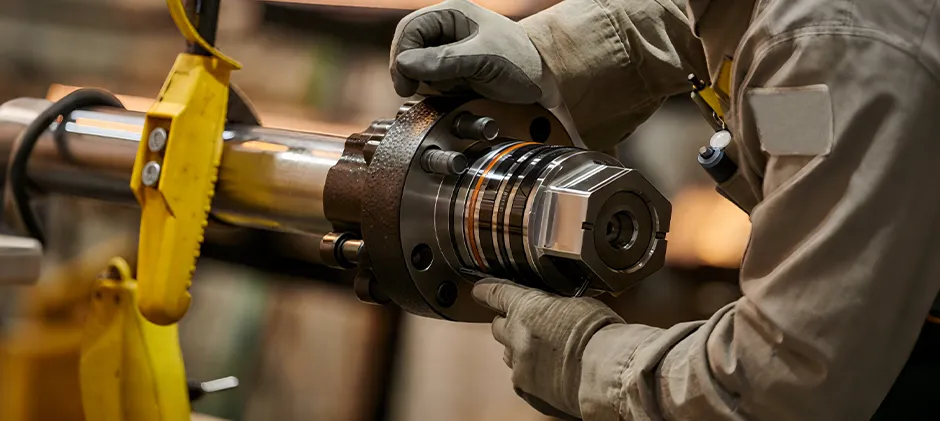
Hydraulic cylinder repair cost in 2026
2026-10-27
Idler pulley guide: definition, types & assembly choice
2026-10-27

How to evaluate the quality of a hydraulic oil filter?
2026-10-26