2026-07-05
When a Cummins-powered off-road machine loses power, derates, hunts at idle, or even stalls under load, a single electrical fault can waste hours if we chase fuel filters and pumps first. This guide breaks down what SPN 3510 FMI 4 means, the most likely causes in real jobsite conditions, and a practical, step-by-step fix plan we can follow to restore normal fuel control and prevent repeat downtime.
On many Cummins electronic diesel applications used in off-road machinery, SPN 3510 commonly relates to the fuel pressure sensor circuit (often fuel rail pressure on common-rail systems, or a pressure sensor used for fuel control). FMI 4 typically means “Voltage below normal or shorted to a low source.”
So, SPN 3510 FMI 4 is usually telling us:
Off-road machines run in vibration, dust, moisture, and temperature swings. The ECM relies on a stable fuel pressure signal to manage fueling safely. If that signal becomes unreliable, the ECM may:
Important note: SPN definitions can vary by engine family and configuration. We always confirm with the machine’s service info and the data list on the scan tool. Still, the workflow below is the fastest way to isolate the fault in the field.
Because SPN 3510 FMI 4 is an “electrical low” type fault, our best odds are to start with the circuit and connectors—not with the high-cost fuel system parts.
Fuel pressure sensors often live in harsh zones: engine heat, oil mist, road spray (on some machines), and constant vibration. Common connector problems see:
If you’re seeing a code that appears after washing, rain, or a muddy shift, this is a top suspect.
A rubbed-through signal wire touching the engine block or bracket can pull the voltage low and trigger FMI 4. Typical rub points:
If you find multiple taped repairs in one spot, consider replacing the section rather than stacking more splices. For machines that live in vibration and moisture, replacement-ready wiring harness and connectors can be the difference between a one-time fix and a repeat callback.
A sensor can fail internally and output a voltage that’s below the ECM’s valid range. This may be:
Sensor failure is real, but in off-road fleets, we still see connectors and harness issues more often than a sensor failing “cleanly.”
Many Cummins systems use a shared 5V reference and sensor return (ground) for multiple sensors. If one component shorts the 5V or ground, several sensors can behave badly.
Clues this is happening:
If you keep a quick cross-check handy, this J1939 fault code quick-reference can help you confirm FMI meanings while you’re comparing multiple active faults.
Strictly speaking, FMI 4 is “electrical low,” not “pressure low.” But on some calibrations, severe system conditions can coincide with the code and mislead our troubleshooting. While we focus on the circuit first, we should still be aware of conditions that can trigger related symptoms:
Usually, these mechanical issues set different SPNs or FMIs, but they can exist alongside SPN 3510 FMI 4—especially if someone has been swapping parts and disturbing connectors.

Below is a field-focused process you can run with a scan tool and a multimeter. The goal is to prove the fault—sensor, wiring, connector, or ECM input—before replacing expensive components.
Before clearing anything, note:
This helps us separate intermittent rub-through from a hard short.
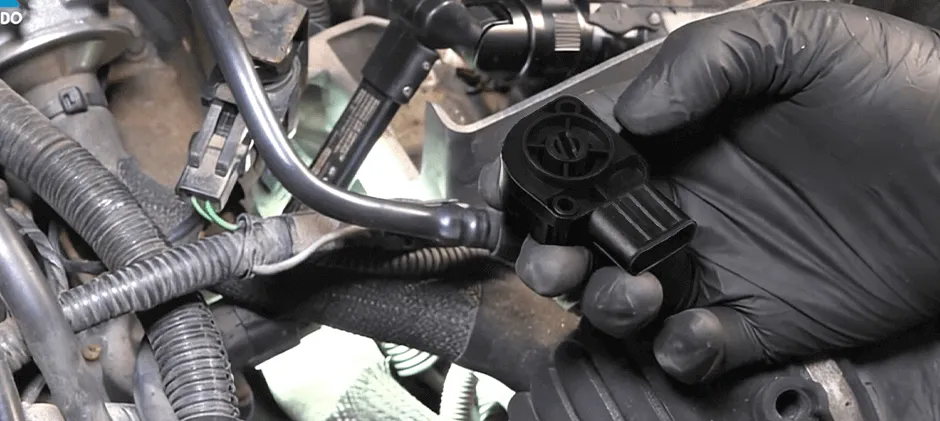
Key OFF. Locate the fuel pressure sensor and inspect:
If there’s moisture or corrosion, fix the sealing issue—not just the code.
On the scan tool, watch:
A stuck or wildly erratic reading points strongly to an electrical signal problem consistent with SPN 3510 FMI 4.
Most pressure sensors are 3-wire:
The typical normal sensor signal range is roughly 0.5V to 4.5V (varies by sensor and system). FMI 4 happens when the ECM sees the signal below the valid threshold.
If the code is intermittent, a careful wiggle test while watching live data can expose a broken conductor inside the insulation.
With the key ON (engine off), disconnect the fuel pressure sensor connector:
Common lasting repairs:
If your diagnosis points to parts replacement for a Cummins-powered machine, sourcing compatible components matters for uptime. For maintenance and repairs across common off-road Cummins applications, aftermarket Cummins parts can help you match the correct fitment without waiting on long backorders.
Even when SPN 3510 FMI 4 is electrical, harsh temperature conditions can make the machine behave worse and complicate diagnosis:
If the machine also shows abnormal temp readings or hard-start behavior in cold mornings, it’s worth confirming related temp inputs are believable. A failing coolant, fuel, or intake temp device can confuse the control strategy and mask the real issue. If you need replacements, choose a high-quality temperature sensor that matches your application.
After repairs:
If it’s active and the machine is derating, stalling, or running rough, we should treat it as a fix-now item. A false low fuel pressure signal can cause poor fueling control and unpredictable behavior under load.
No. In off-road environments, wiring and connector faults are often more common than the sensor itself. We get the best results by providing 5V reference, ground, and signal integrity first.
At minimum:
Intermittent faults are usually:
That’s why a controlled wiggle test plus close inspection of rub points is so effective.
Go back to basics:
Only after those checks do we start suspecting ECM input problems.
SPN 3510 FMI 4 is usually a fuel pressure sensor circuit “voltage low” fault on Cummins-powered off-road machinery. The fastest path to a lasting fix is to treat it like a circuit problem first: inspect connectors, check harness rub points, verify 5V reference/ground/signal, and replace the sensor only after the tests support it. As an aftermarket parts supplier, MechLink helps reduce downtime with high-quality products at affordable prices, a vast inventory, and wide compatibility across heavy equipment brands.