2026-09-26
When your heavy machinery starts to show signs of inefficiency, I strongly recommend that you check to see if there is a problem within the hydraulic system. Hydraulic systems play a pivotal role in heavy equipment by providing the power and control necessary to perform demanding tasks. But even the most complex system is made up of simple parts. The hydraulic pressure regulating valve is a critical component to ensure stable performance and prevent pressure-related damage. In this blog, I will walk you through everything you need to know about hydraulic pressure-regulating valves, helping you troubleshoot problems and make informed decisions for your machinery.
A hydraulic pressure regulating valve is a critical component in any hydraulic system, designed to control and stabilize the pressure within the system. It ensures the system operates within safe pressure limits, preventing damage to components like cylinders, pumps, and hoses.
Here’s how it works:
The consequences of a failing pressure regulating valve could be severe. Also, there are signs that maybe it is time to replace your hydraulic pressure valve.
To avoid these problems, regularly inspect your valve for wear, clogs, or malfunctions and replace it promptly if needed. Likewise, you can determine a pressure valve failure when the aforementioned symptoms occur.
Choosing the right hydraulic pressure regulating valve can enhance your system’s reliability. To help you make the right decision, keep these features in mind:
A failed hydraulic pressure valve is one of the many causes of pressure leaks in hydraulic systems. Hydraulic leaks can disrupt operations and damage your machinery. Follow these steps to identify and fix them:
Turn the adjustment screw clockwise to increase pressure or counterclockwise to decrease it. Always consult the manufacturer’s manual for specific instructions.
Pressure control valves and flow control valves are typically found in the hydraulic systems of heavy machinery. Their roles are focused on ensuring that the hydraulic system operates stably, and efficiently and meets the demands of different operating conditions. The pressure control valve keeps the pressure of the hydraulic system within the set range, to prevent excessive pressure from causing damage to the equipment. Meanwhile, the flow control valve controls the operating speed of hydraulic actuators by restricting the flow of hydraulic fluid. Hydraulic systems require both types of valves to work in tandem for optimal performance.
The primary types include:
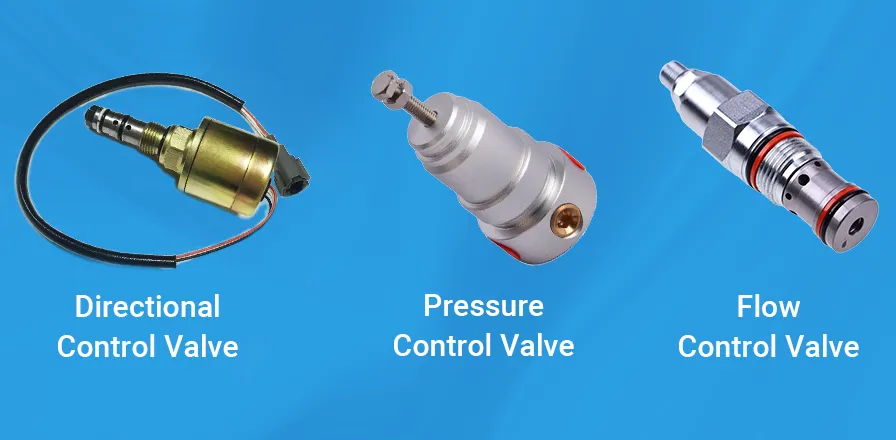
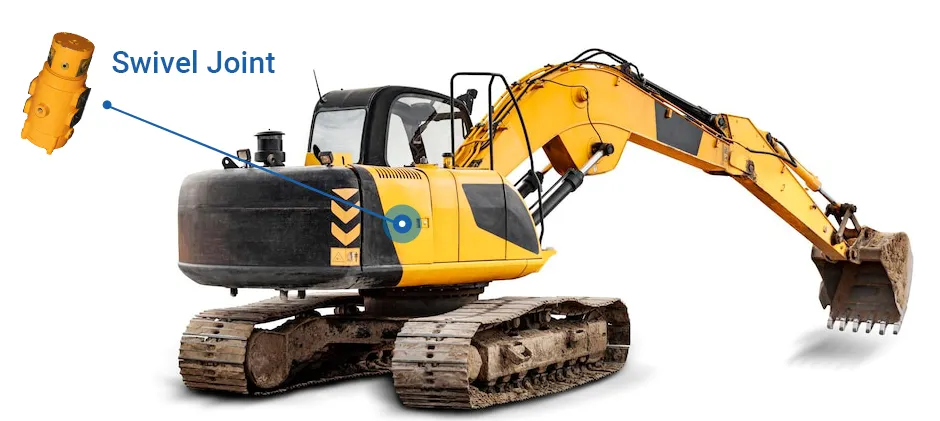
Pressure fluctuations can make hydraulic equipment perform erratically. For example, in an excavator, overpressure could make movements jerky or unpredictable, leading to inaccurate operations. A pressure-limiting valve stabilizes the pressure to ensure smooth, reliable performance.
Understanding how hydraulic pressure regulating valves function, how to troubleshoot common issues, and what features to prioritize when buying one can save you from costly repairs and downtime.
By investing in high-quality pressure regulating valves and performing regular maintenance, you can extend the lifespan of your machinery. MechLink is a reliable provider of high-quality aftermarket regulator valves. You can find the most cost-effective hydraulic solutions here. Shop valves now to keep your machinery at peak efficiency!