
2025-11-13
Fluids are at the heart of every machine. As heavy equipment becomes more complex, the number of fluids required to keep our machines in good working condition has grown.
Besides fuel and engine oil, machines these days rely on a number of specialized fluids with very particular functions. DEF, OAT, IOAT, hydraulic fluid and others are becoming crucial to the way we operate and maintain equipment.
In this guide, we’ll get into the basics of industrial lubricants and fluids, providing you with an understanding of each fluid and how it impacts the performance of your machine. By understanding the role each fluid plays and the maintenance needs related to each fluid, you can boost your fleet’s efficiency, improve the longevity of your machine and keep them out of the maintenance yard.
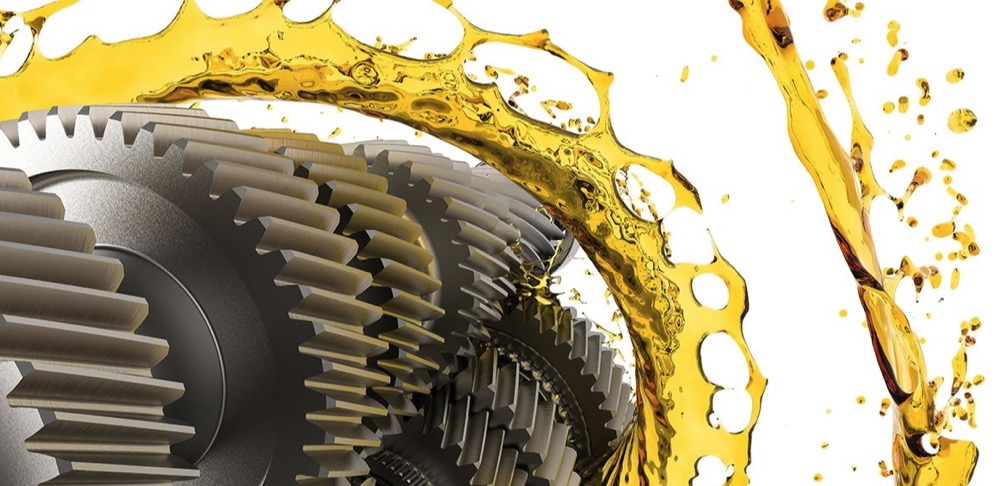
The key to maintaining your machine’s fluids is understanding what each fluid does and how it needs to be monitored, filtered and replaced. While each machine is different — and not all machines make use of the same kinds of fluids — there are a few fluids found in most modern heavy equipment. Here are the most common types of fluids you’re likely to encounter in your fleet.
Diesel fuel is the most ubiquitous fluid found in heavy equipment. Diesel fuel gets combusted in your machine’s engine, setting off a chain reaction of events that, in turn, power your machine. Without diesel fuel your machine can’t turn on, let alone get any work done. It is the lifeblood of heavy equipment machinery.
In addition to refueling your machine regularly, you’ll also need to maintain its fuel by caring for the fuel filter. A machine’s fuel filter is responsible for filtering fine particles, such as sand, out of the fuel before it makes its way to the engine. To ensure your machine’s fuel filter is doing its job, change the fuel filter at the intervals specified in your machine’s service manual.
If your machine’s fuel level becomes too low, the machine may stall during operation or refuse to start. If the fuel filter has become degraded and is no longer fulfilling its function, then you may notice the machine’s engine hesitates or sputters under heavy loads. These can be indicators it’s time to replace the fuel filter.
The function of engine oil is to lubricate the moving parts of your machine’s engine during operation. As you operate your machine, oil is pumped from the engine’s oil pan through the components of the system, then back to the oil pan.
Maintaining your machine’s engine oil is one of the most crucial maintenance tasks of heavy equipment operators. If engine oil becomes contaminated with abrasive particles, such as silica, it may begin to degrade the components of your machine’s engine, leading to irreversible wear. Therefore, it is crucial to routinely check your machine’s oil levels and maintain the oil filters according to the intervals set out in your machine’s service manual.
The problems caused by dirty engine oil or a failing oil filter are numerous. Some of the common signs there may be a problem with your machine’s engine oil include a loss of power, a knocking sound coming from the engine or a loss in oil pressure.
Hydraulic fluid is a specialized fluid meant for use in your machine’s hydraulic system. This uniquely designed fluid is meant to be compressed in hydraulic cylinders, where the hydrostatic pressure of the fluid is converted into linear force.
In order to function properly, hydraulic fluid must be properly maintained and replaced at the intervals set forth in your machine’s service manual. The hydraulic fluid filter, which filters contaminants from the hydraulic fluid, must also be routinely replaced. If the fluid becomes contaminated, it may start to degrade the components of your machine’s hydraulic system.
One of the most common signs that there is an issue with your machine’s hydraulic system is a loss of power. You may notice that your machine struggles to go up sloped terrain. Another sign that there is an issue with the hydraulic fluid is a loss of power to your machine’s attachments.
Since 2010, the EPA has required diesel engines to reduce their production of nitrogen oxides. This is accomplished by adding a new fluid, DEF (diesel exhaust fluid), to the exhaust system of diesel engines. DEF reacts with the nitrogen oxides emitted by your machine’s exhaust before they escape into the environment. It neutralizes these compounds by converting them to nitrogen and water.
Diesel exhaust fluid is added to a dedicated DEF tank on your machine. Typically, your machine will require DEF at a rate of 1 gallon of DEF to every 50 gallons of diesel fuel.
Modern heavy equipment is equipped with warning lights to alert you when your machine is running low on DEF. If DEF is not added once it’s dipped below a certain level, your machine may not function properly.
In addition to keeping your machine’s engine from freezing over, coolant (antifreeze diluted with water) plays the vital role of keeping rust and corrosion from forming in your cooling systems. The three most common types of coolant are IAT, OAT and HOAT.
At a minimum, your machine’s coolant should be replaced each season. You can monitor the health of your coolant by checking its color. Coolant should run clear. If your coolant looks cloudy or discolored, it may need to be replaced.
The signs of bad coolant aren’t always easy to spot. Common indicators of a problem with your machine’s coolant include engine overheating and sludge in the coolant.
Proper fluid maintenance is an essential part of any preventative maintenance program. Your machine’s service manual is the best resource for determining replacement intervals for your machine’s fluids.
By keeping up with your machine’s fluid maintenance requirements, you can prevent costly breakdowns and extend the lifespan of your machine’s most vital components.
While each fluid has slightly differing storage requirements, there are a couple of best practices that are universal between them.
For starters, all fluids should be kept in airtight, sterile containers that are not open to the environment. In particular, you want to keep your fluids from coming into contact with moisture and dust, as these are the most detrimental. Fluids should also be kept at room temperature. During colder months, it’s important to store your fluids somewhere they won’t freeze.
Fluids play a critical role in our machines. From lubricating components to fueling engines and powering hydraulic systems, machines would not be able to function without the myriad of fluids they depend on.
By staying ahead of your machine’s fluid maintenance requirements, you can prevent unnecessary breakdowns and costly downtime. If you’re in need of a new fluid-related component, look no further than the MechLink Online Parts Store. Our extensive OEM and aftermarket parts catalog has your entire fleet covered. Still can’t find the part you need? Reach out to one of our parts experts and get personalized assistance.
O-rings in heavy equipment: types, failure signs and a five-step swap
2026-11-29
Six machines that carry a landscaping job — and nine attachments that double them
2026-11-29
Oil filter questions, answered: fitment, intervals and the signs you missed
2026-11-28
Rotate or replace? A field guide to track pins and bushings
2026-11-28