2025-12-04
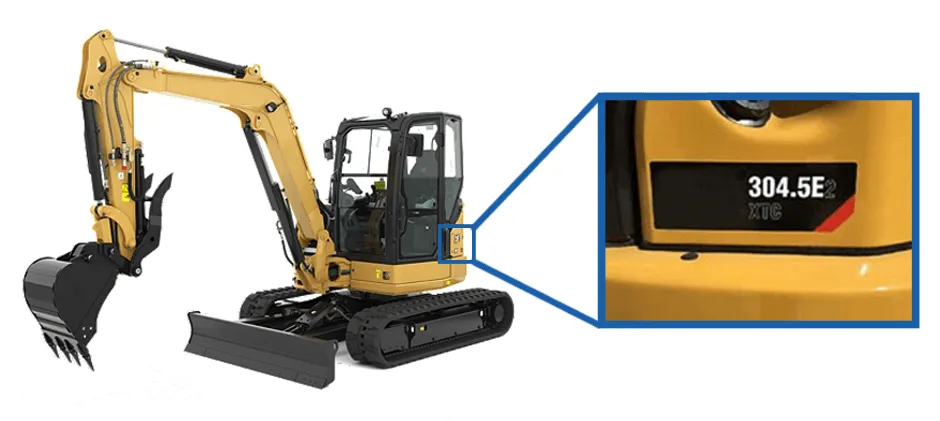
The most iconic feature of an excavator is its towering, jointed arm. An excavator’s articulated arm grants it incredible capabilities, from digging deep holes to moving and lifting heavy materials.
While commonly referred to simply as the “arm,” an excavator’s arm is made up of a series of separate components. The main components of an excavator’s arm (the boom, stick and bucket) work together to give the excavator fantastic functionality.
The boom serves as the elongated, upward extension of the excavator. It is connected to and hinged directly on the machine’s chassis. Its primary function is to provide reach and elevation, allowing the excavator to access deep excavations and load materials onto high surfaces.
Extending downward from the excavator’s boom is the dipper, also called the stick. This component provides additional length to the arm and is crucial in making the excavator more precise for digging. It enables operators to excavate deeper and manipulate the bucket with a high degree of control.
Finally, the bucket, which is positioned at the end of the arm, is the component that interacts with the soil or material being handled. Buckets come in various shapes and sizes and are used for scooping, lifting and digging.
In this guide, we’ll dive into each of the key components of an excavator arm. Understanding the design and function of each part will help you maintain your excavator and maximize its efficiency on the job.
The three primary components of an excavator’s arm – the boom, stick and bucket – work in tandem to perform tasks efficiently. Each part is made up of a series of smaller components.
An excavator’s boom is mounted and hinged directly to the chassis of the excavator. The boom provides height to the excavator. It is fitted with hydraulic cylinders, pins and bushings that allow it to pivot, enabling the arm’s vertical movement.
The boom’s hydraulic cylinders utilize hydraulic power to extend and retract the boom, helping to adjust its height and reach according to the operator’s input. Pins and bushings connect the boom to the stick and chassis, helping to reduce friction during the boom’s movements.
Sometimes called a dipper, the stick extends from the boom and is connected to the boom by pins and bushings, allowing it to pivot. Like the boom, the stick is powered by hydraulic cylinders that control its movement.
The dipper connects directly to the excavator’s bucket or other attachment. Therefore, the dipper is critical in determining an excavator’s level of precision at tasks such as digging and handling materials.
An excavator’s bucket is attached to the end of the dipper. Buckets come in a variety of sizes and designs. Some buckets, such as those made for handling mulch, are wide and deep. Other buckets, like trenching buckets, are narrow and feature teeth for digging into the ground.
While buckets are the most common type of attachment used with excavators, they are just one of many types of attachments that may be fitted to the end of the dipper. Other common attachments used with excavators include rakes and hydraulic breakers.
An excavator’s arm relies on a system of hydraulic components in order to power the movement of the boom, stick and bucket. This system utilizes hydraulic cylinders and pumps to translate the pneumatic energy of hydraulic fluid into mechanical force.
Most excavators feature multiple hydraulic cylinders. Generally, two cylinders are attached to the boom; one to the stick and one to the bucket. However, this arrangement can vary according to the size and type of excavator.
Excavators are incredibly versatile and many of them offer the flexibility to swap out the stick or bucket for other attachments or customized components.
For example, sometimes the reach of an excavator can be increased by equipping it with a longer stick, allowing for deeper digging and extended reach. However, shorter sticks are generally more powerful, despite their limited range.
Buckets are commonly substituted for other hydraulic attachments, such as grapples, rippers, thumbs and hammers.
An excavator’s arm is at the core of its functionality. If any part of the arm stops working, it’s likely the entire excavator will need to be sidelined for repairs.
Here are some of the most common troubleshooting issues related to an excavator’s arm:
In order to keep your excavator’s arm in good working condition, it’s important to inspect the arm’s components frequently. Components such as bucket teeth, cutting edges, wear plates, pins, bushings and hydraulic systems should be inspected regularly.
While operators should make a habit of inspecting the components of the excavator’s arm at least weekly, daily inspections may be required in adverse operating environments.
In addition to regular inspections, it’s important to lubricate the various components of the arm frequently. Pins, bushings and pivot points all require regular and adequate greasing in order to limit wear.
Understanding how an excavator arm’s components work is the key to ensuring the longevity, efficiency and safety of your excavator.
Knowledge of key components such as the boom, stick and bucket empowers operators and maintenance personnel to prevent and address common issues associated with excavators. The MechLink Shop carries OEM and aftermarket excavator parts–including hydraulic cylinders, linkages, attachments and other arm components. If you’re having trouble locating the exact component your machine needs, contact our dedicated parts experts for personalized assistance.