2026-03-25
/filters:format(.webp)/filters:quality(50)/news/1770798628946-The-Core-Role-and-Industry-Application-of-Excavator-Track-Rollers.png)
Excavator track roller is key component in the chassis system, playing an important role of support, guidance and stability, ensuring the smooth operation of the track system and the efficient operation of the machinery. Under different working environments, the performance requirements and design requirements of track rollers vary.
The track roller is an important part of the excavator track system, which directly affects the stability and operating efficiency of the machine. It is located on the inner side of the track and is usually composed of multiple track rollers, which play a role in supporting and guiding the operation of the track. The functions of the track roller are mainly reflected in the following aspects:
The track roller carries part of the weight of the track and is an important part of the load distribution of the excavator chassis. The track roller not only supports the track, but also helps share the total load of the machine. The size, material and structural design of the track roller are crucial to its supporting capacity:
The rollers ensure that the tracks always maintain the correct path during operation through their contact with the tracks to prevent the tracks from deviating. The guiding function of the rollers directly affects the operating accuracy and safety of the excavator. The guiding effect of the rollers depends on the following parameters:
Rollers also protect the chassis and other components. They disperse the load transmitted by the tracks, reduce the impact on the excavator chassis structure, and reduce the risk of damage to other parts of the chassis (such as chain rails, spindles, etc.). High-performance rollers can effectively extend the service life of the entire excavator.
Under different working conditions, the working conditions and pressures of the rollers are different. Therefore, the design requirements for track rollers vary for each working condition, which are manifested in differences in material, size, durability, etc.
Mining working conditions are usually harsh, and excavators need to work on soft, muddy or rocky ground. Track rollers need to have the following characteristics:
The working environment of construction sites is changeable, and excavators often need to work on uneven ground. Requirements for track rollers include:
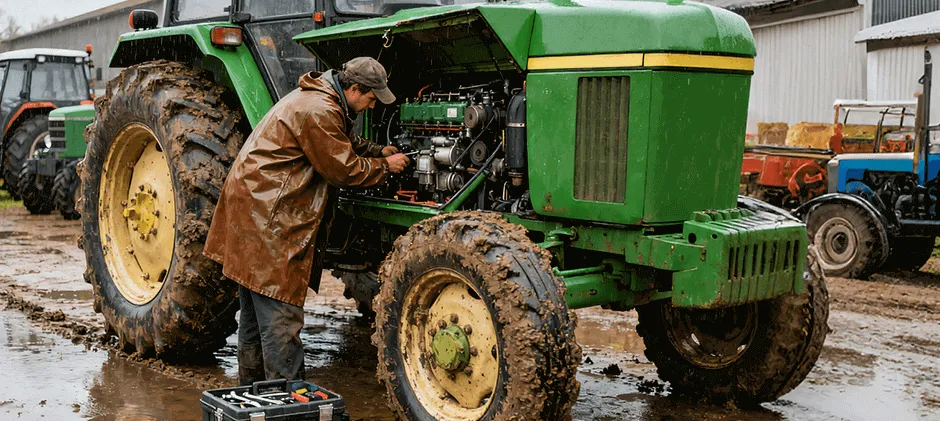
The environment of agricultural operations is usually relatively flat, but there may be more soil or sand on the ground, requiring the track rollers to have good adaptability:
The design and manufacturing of track rollers must comply with certain industry standards and certification requirements to ensure their quality and safety. Common industry standards include ISO 9001, CE certification, and ISO 9000 series standards.
ISO 9001 is a quality management system standard developed by the International Organization for Standardization (ISO), which requires manufacturers to strictly control quality during design, production and after-sales service to ensure product reliability and consistency. For roller manufacturers, ISO 9001 certification means:
CE certification is a safety certification mark for the European market. If roller manufacturers want to enter the EU market, they must meet the requirements of CE certification. For rollers, CE certification requires:
The ISO 9000 series is an international standard for quality management. Roller manufacturers should ensure that their design, production and inspection processes meet this series of requirements. The implementation of the ISO 9000 series helps manufacturers improve production efficiency, reduce waste and ensure high-quality roller products.
Roller failure may cause excavator downtime, affecting construction progress and economic benefits. The following are several common roller failure cases and preventive measures:
During long-term use, the roller surface may be severely worn due to hard ground or too many stones. Excessive wear may cause the roller to no longer effectively support the crawler.
Preventive measures: Choose materials with strong wear resistance, such as high-hardness steel, and regularly check the wear of the rollers, and replace the rollers with severe wear in time.
Insufficient lubrication will increase the friction between the roller and the bearing, increase wear, and eventually lead to the failure of the roller.
Preventive measures: Regularly check the amount of lubricating oil and lubrication status of the roller to ensure that the lubricating oil is sufficient and replaced in time.
Long-term high-intensity workload may cause fatigue and even cracks in the material of the roller, which will lead to the fracture of the roller.
Preventive measures: Select high-strength alloy steel and conduct strict inspections through a meticulous quality control process to ensure that the material of the roller can withstand the workload.
The roller may be damaged when encountering a large impact force, especially in mining conditions.
Preventive measures: Strengthen the impact absorption design of the roller to ensure that it can effectively absorb the impact force and prevent cracking when encountering an impact.
Regular maintenance, timely inspection and selection of suitable materials can effectively avoid the failure of the roller and extend its service life.
The role of the excavator bottom roller in the chassis system is crucial. It not only undertakes key functions such as support, guidance and protection, but also exhibits different performance requirements under different working conditions. By having an in-depth understanding of industry standards and timely maintaining and servicing the track rollers, the service life and working efficiency of the equipment can be significantly improved.