2026-07-23
When a machine throws SPN 5246 FMI 15, the real problem isn’t the code itself—it’s what comes next: warning lamps, aftertreatment inducement, and a possible engine derate that can stop an off-road job mid-shift. In this guide, we’ll explain what the code means on Caterpillar-style J1939 systems, why it happens in real-world off-road conditions (dust, vibration, heat cycles, DEF handling), and how we can fix it with a step-by-step approach that avoids guesswork and unnecessary parts swapping.
For SPN 5246, this fault is widely treated as a reductant/DEF (Diesel Exhaust Fluid) system inducement-related code, often tied to inputs the ECM uses to decide whether the DEF system is operating correctly. Depending on the machine configuration, that “too high” signal commonly involves reductant-related readings such as DEF level, DEF pressure, or DEF temperature (and, on some systems, the logic may also cross-check other aftertreatment signals before triggering inducement).
We typically see SPN 5246 FMI 15 on off-road and off-highway equipment that uses a DEF/SCR aftertreatment package, such as:
Key point: the exact component mapped to SPN 5246 can vary by engine family and controller strategy. The best practice is to treat it as a reductant system “inducement trigger” and confirm which input is reading high using live data.
In off-road life, aftertreatment faults are rarely “random.” Most come from a handful of repeat causes—especially around DEF quality, sensor feedback, wiring, and pump control.
A common root cause is a sensor that drifts or fails in a way that still produces a plausible signal.
Typical examples in the reductant system:
This is exactly the kind of failure that matches FMI 15: the reading is “valid,” but out of range.
Off-road machines live with:
That makes pin fit, corrosion, and rubbed-through harness sections very common. A wiring fault can pull a sensor signal high without fully breaking the circuit, which again fits FMI 15.
Bad DEF doesn’t always trigger a “quality” code first. Instead, you may see odd system behavior (pump duty cycle changes, pressure instability, dosing changes) that causes an inducement-related fault.
Common DEF handling problems in off-road environments:
Sometimes the “high” condition is not physical—it’s how the controller interprets data:
This is why you should look at live data and fault history, not just the active code.
If the reductant pump is commanded unusually hard, a restriction or control issue can create very high pressure. Causes include:
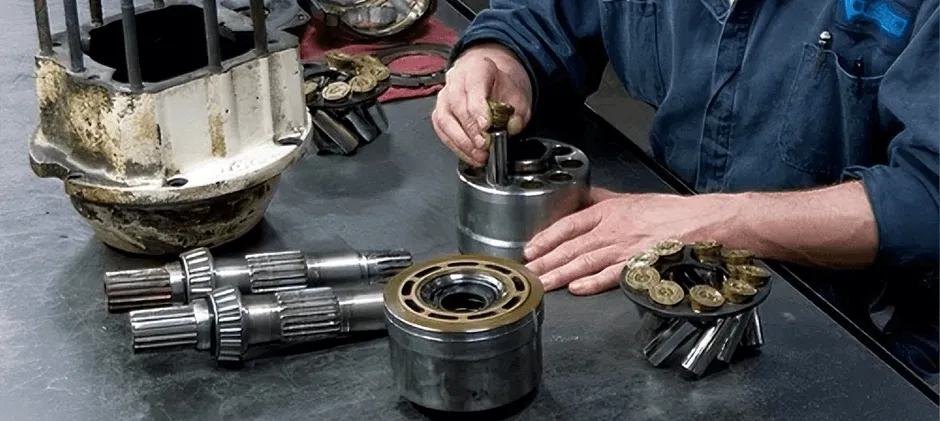
We’ll get the best results by using a staged process: confirm the condition, isolate whether it’s sensor/wiring vs real system behavior, then repair.
Don’t clear codes first. Capture:
This matters because intermittent wiring faults may disappear once the machine cools or dries.
Since FMI 15 means “above expected range,” you need to identify which value is high. Look for:
If a sensor reading is obviously wrong, you can move to circuit checks.
Focus on the DEF tank area, frame routing, and aftertreatment harness paths.
A quick win is cleaning, drying, and re-seating connectors, but only after confirming no bent pins.
If the code points toward pressure/temperature, you need to confirm:
If pressure is truly high, address restrictions and pump control logic before replacing sensors.
Once you have evidence (bad live data behavior, failed circuit tests, or known-good substitution), replacement is justified—most commonly:
If you’re servicing a fleet, it’s smart to keep common sensor types on hand because they are high-failure, low-cost compared to downtime.
Here’s a quick summary table to guide decision-making:
| What you see on the machine | Likely cause | What to check first | Fix that usually works |
| Reading stuck high (doesn’t change) | Sensor failure or signal pulled high | Live data trend, connector pin fit, reference voltage | Repair wiring or replace the sensor |
| Code appears after washdown/rain | Moisture in the connector/harness | Connector inspection, corrosion, water tracks | Dry/clean, repair seals/pigtail |
| High pressure reading + dosing instability | Restriction/crystallization or pump control issue | Lines, fittings, DEF deposits, and pump command | Clean/repair lines, address pump/doser |
| Multiple aftertreatment codes together | System-level issue (DEF quality, NOx feedback, module sync) | DEF quality, NOx readings, module comms | Correct DEF, repair sensors, update/calibrate if needed |
| Code returns quickly after clearing | The cause is still present | Don’t keep clearing; isolate “high” parameter | Targeted repair based on data |
Prevention is mostly about DEF handling, connector health, and trend monitoring—all very practical on off-road equipment.
Best practices you can actually follow on-site
If your maintenance plan includes proactive replacement, stocking common temperature sensors can reduce downtime because coolant/DEF/aftertreatment temp inputs are frequent triggers for range-related faults across harsh-duty machines.
Replacement makes sense when you have evidence, not just frustration.
For SCR/aftertreatment systems, it’s also common for inducement to involve feedback from NOx measurements. If diagnostics show NOx-related faults alongside inducement logic (or readings that don’t match operating conditions), replacing a failed NOx sensor can be the correct fix—especially when the sensor is slow, biased, or intermittently drops out under vibration/heat.
And if you’re dealing with machines that live in hard ground conditions—constant vibration, impacts, and tight routing—having a dependable source for excavator parts (including engine/aftertreatment support parts and related service items) can shorten downtime when diagnostics point to replacement rather than cleaning or re-terminating wiring.
SPN 5246 FMI 15 usually points to a reductant/DEF system signal that is above the expected range, often triggering aftertreatment inducement and potential engine derate on off-road machines. The fastest path is a structured workflow: capture event data, confirm DEF basics, use live data to find what’s “high,” then prove whether the root cause is sensor drift, wiring, or a real pressure/temperature condition. Fix what’s verified, then validate the reset under load.