2026-06-11
/filters:format(.webp)/filters:quality(50)/news/1773652688303-1773652676255.jpg)
The oil pump ensures lubrication of the components in off-road machinery and vehicles, ensuring the stable operation of the vehicle. Although, it cannot be guaranteed that your oil pump will not need to be replaced over several years, understanding these signs to be aware of will help you minimize losses.
It suctions and delivers lubricating oil from the oil tank to the internal components of the engine, thereby maintaining lubrication and cooling within the engine.
Oil suction
As the camshaft rotates, the eccentric wheel pushes the pump diaphragm lever, causing the diaphragm to descend and create suction. This suction draws gasoline from the fuel tank and passes it through the fuel line, fuel filter, and into the oil chamber of the fuel pump.
Oil delivery
When the eccentric wheel rotates beyond a certain angle and no longer pushes the rocker’s arm, the pump diaphragm spring extends, causing the diaphragm to rise and pressurize the gasoline through the outlet valve into the float chamber of the carburetor.
Low oil pressure
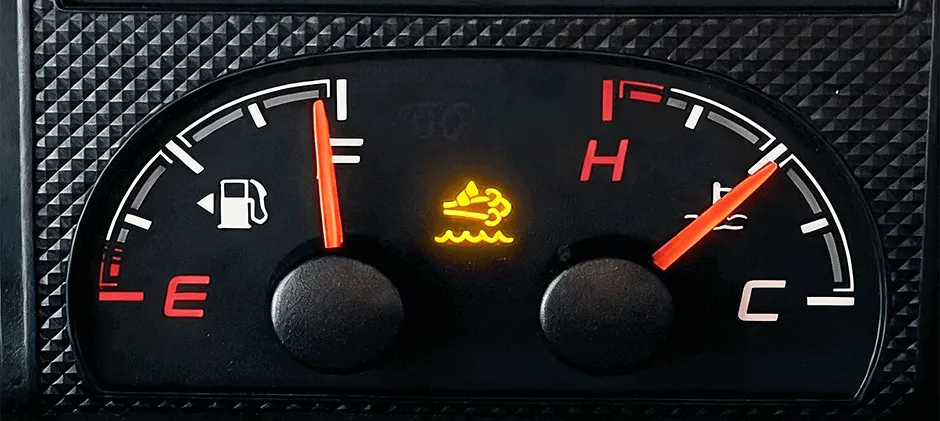
The purpose of the oil pump is to maintain the correct oil pressure, and a faulty oil pump can result in a decrease in oil pressure. If you notice warning lights on the vehicle’s dashboard illuminating or experiencing reduced power, it means low oil pressure. You should immediately turn off the engine and do the inspection.
Engine overheating
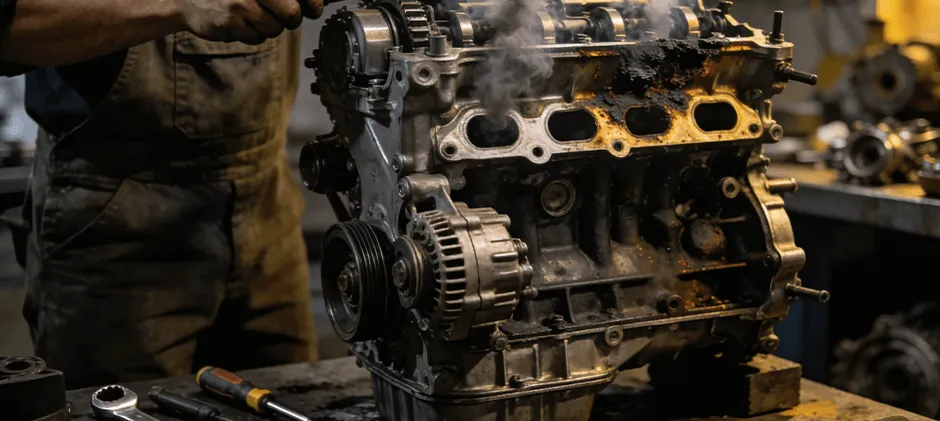
Oil pump failure can also lead to reduced lubrication. This means that there will be increased friction between the engine components, resulting in elevated engine temperatures.
Difficult starting
If you are unable to start your tractor even after attempts, it is another bad sign, as the fuel system is not getting an adequate supply of fuel.
Unusual noise
The oil pump only makes noise when there is a problem, such as worn or damaged internal gears, which may produce a buzzing or whirring sound. Plus, insufficient lubrication can cause excessive friction in mechanical components, resulting in noise.
Usually, off-road machinery engines operate in bad environments, with many engine components interacting, thus presenting numerous potential issues that may lead to oil pump failure. Thus, understanding these reasons is key to avoiding problems with engines.
Waiting for the oil warning light before refueling causes oil pump instability, impacts cooling, increases engine power consumption, and ultimately leads to damage.
If the oil contains an amount of impurities and foreign objects, it’s highly likely to clog the suction filter of the oil pump. Consequently, impurities can infiltrate the oil pump, leading to damage.
Failing to change the oil regularly can result in the accumulation of various impurities in the oil, such as dirt, metal particles, moisture, etc. All of them may originate from engine wear, chemical reactions, or external contaminants entering the system. So, you need to change the oil promptly to avoid oil lubrication performance, further damaging components and affecting engine operation.
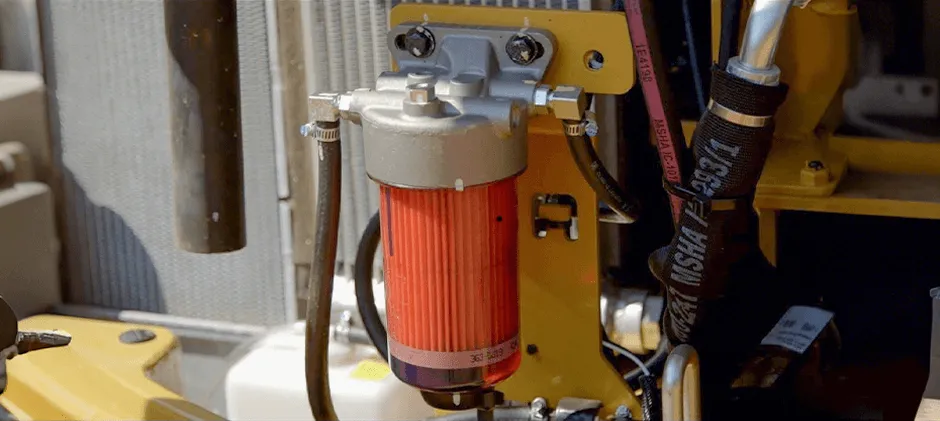
The prolonged use of filters can reduce impurity filtration performance, with contaminants deposited in the fuel supply system’s pipelines causing blockages, thereby resulting in oil pump failure.
Many seals and bearings may age, harden, or wear over time, leading to decreased sealing performance within the oil pump, causing leaks or unstable oil pressure.
If a new oil pump fails shortly after replacement, it indicates an installation issue. It’s wise to check for proper installation.
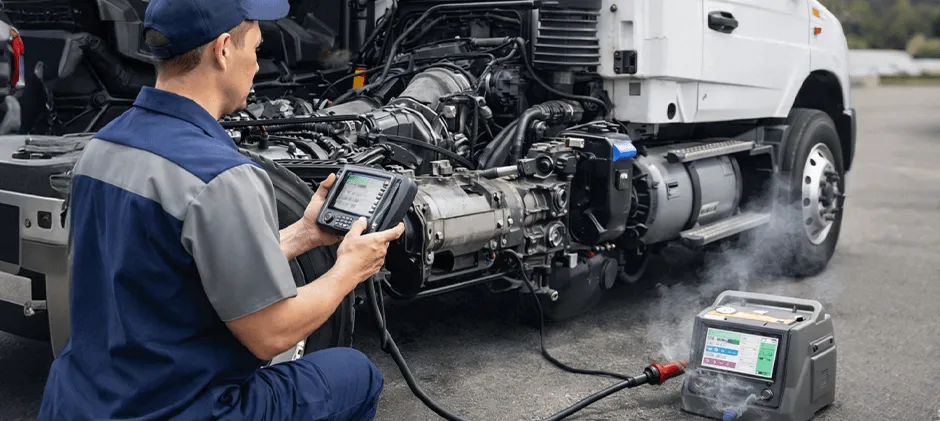
If these signs appear, the best choice is to promptly inspect and repair the faulty oil pump to minimize losses. You should:
For professional mechanics, replacing a new oil pump can cost from $400 to $3,000 or even higher on average. As you know, it always depends on the type of engine models and labor costs.
For a DIY replacement, if you opt to do it yourself (with years of experience and professional skills), the average cost for a new oil pump mainly ranges from $50 to $1900, depending on your engine type and model. Check oil pump prices.