2026-06-19
Picking the right tractor transmission is one of the fastest ways to avoid wasted hours in the dirt: wheel spin on slopes, rough shuttle work during loading, or fighting for a steady ground speed while an implement is working. In this guide, we’ll break down the main transmission types used in off-road tractor work, explain how each one behaves in real tasks (loader cycles, grading, mowing, towing), and give a clear checklist for choosing the best match for our terrain, operator skill, and workload.
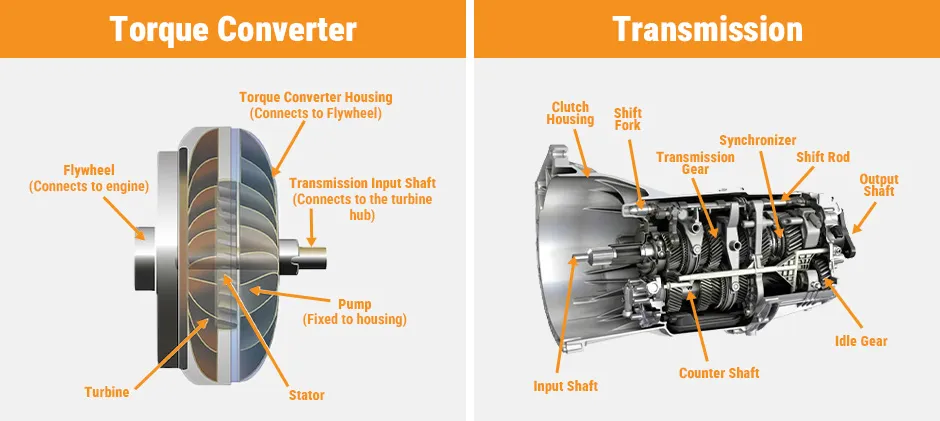
A tractor transmission is the drivetrain system that turns engine power into controlled motion at the wheels (and, depending on design, helps manage how power is delivered while we change speed or direction). On off-road machinery, the “right” transmission is less about top speed and more about:
To keep it practical, we’ll focus on transmissions commonly found on tractors used as off-road machinery for property maintenance, farm and ranch work, and jobsite tasks.
Below are the four main categories we see most often. Each can be a great fit—when matched to the right kind of work.
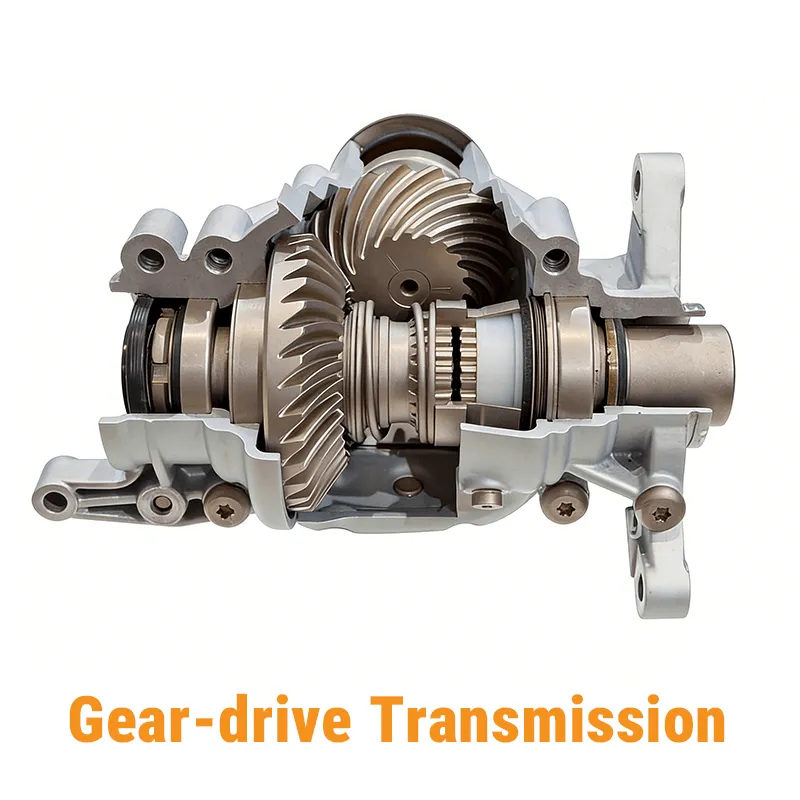
A gear-drive transmission uses fixed gear ratios. We select a gear (and sometimes a range), then the tractor holds that speed ratio until we shift again. Depending on the machine, shifting may require clutching and stopping, or it may allow some synchronized shifting.
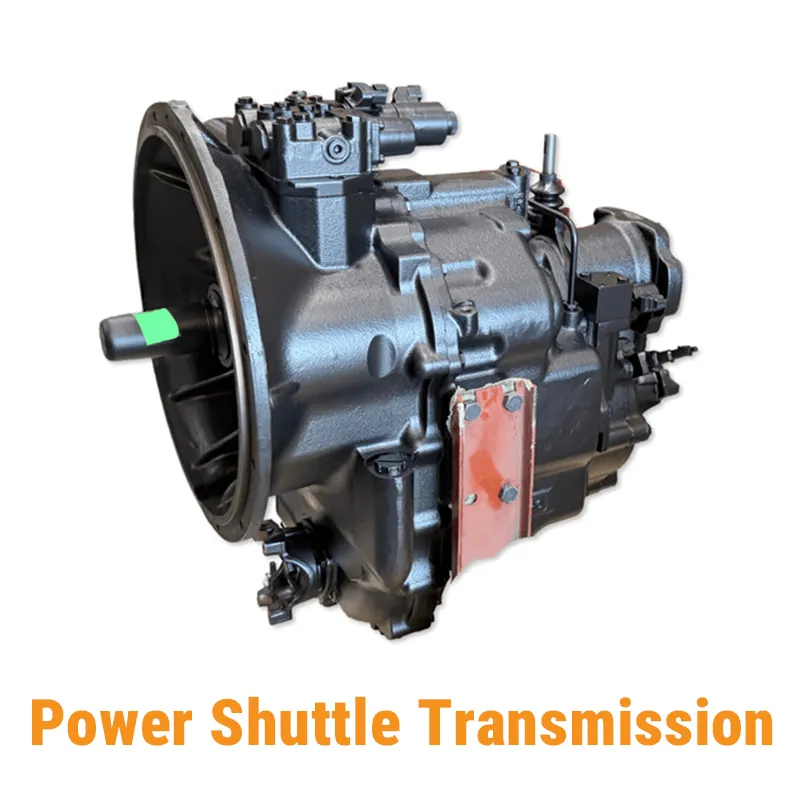
A power shuttle transmission is designed for repeated forward/reverse work. Instead of clutching every time we change direction, we typically use a shuttle lever that controls direction changes while the transmission manages engagement through hydraulic clutch packs.
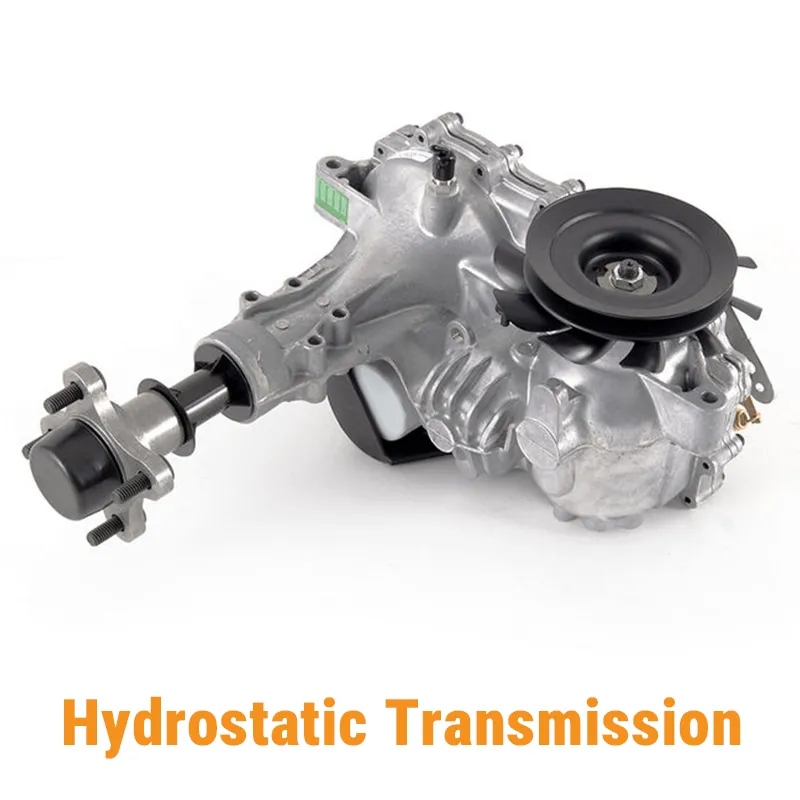
A hydrostatic transmission uses hydraulic flow (via a pump and motor) to drive the wheels. In practice, we control speed and direction with pedals or a rocker treadle—often with ranges (low/medium/high) to keep the system in its best operating zone.
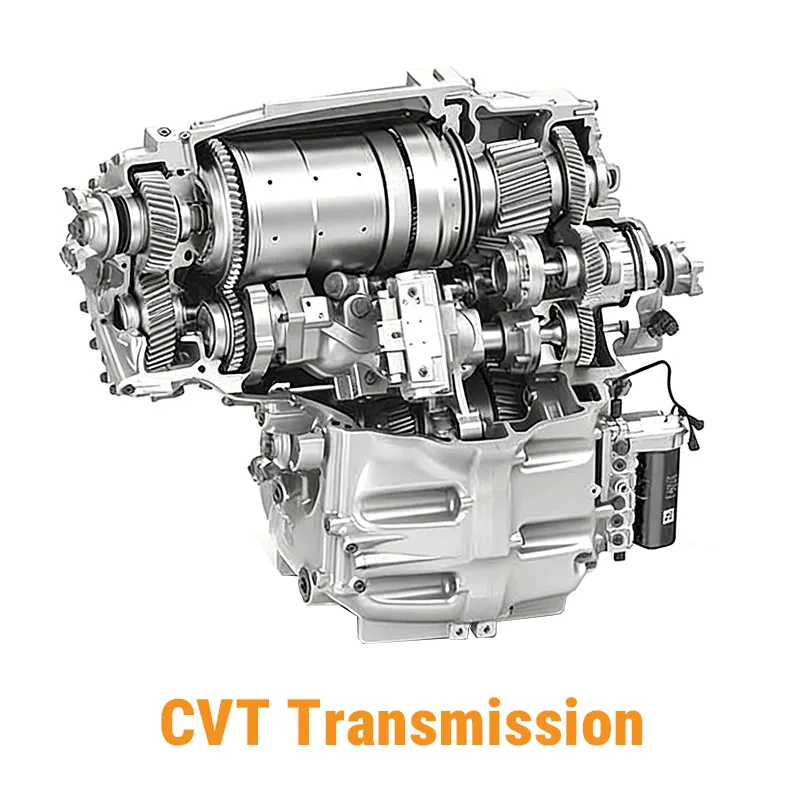
A CVT transmission (continuously variable transmission) aims to provide seamless speed changes without step-wise gear shifts. Many CVT designs blend mechanical and hydrostatic elements, so we can keep efficient power delivery while still getting smooth control.
| Type | Best for | What we like | What to watch |
| Gear-drive transmission | Steady pull/push, consistent travel | Direct feel, stable ratio | Slower loader cycles, more shifting/clutch work |
| Power shuttle transmission | Loader cycles, frequent reversals | Fast forward/reverse, efficient cycles | Technique matters to reduce wear; added complexity |
| Hydrostatic transmission | Precision work, mixed tasks, tight areas | Easy control, fine speed changes | Heat/power feels under heavy continuous pull |
| CVT transmission | Variable-speed work with smooth control | Seamless speed, flexible operation | Cost/complexity; service needs can be higher |
Instead of picking by “what’s popular,” we get better results by matching the tractor transmission to how we actually work. Here’s the decision process we use.
Most tractors can do easy jobs. The transmission choice shows up when the job is hard and repetitive:
If 50%+ of our seat time is loader cycles, we usually prioritize fast reversals and speed modulation. If most of our time is steady pull work, we prioritize a stable ratio and direct drive feel.
Off-road conditions punish the wrong setup:
This is where hydrostatic transmission and CVT transmission often feel “calmer” in tight or uneven areas, while gear-drive transmission can feel very confident in steady pull scenarios—assuming we’re in the right gear.
Ask a blunt question: Are we reversing every 10–30 seconds?
If we want a deeper side-by-side checklist for this exact decision (“which tractor transmission is right for you?”), This comparison-focused guide is a good next read: tractor transmission comparison guide.
For off-road machinery, implements change the rules:
A practical approach:
Transmission performance depends on maintenance. Off-road work means dust, heat cycles, and shock loads. Even “small” parts can stop a machine.
In the second half of ownership, having fast access to parts matters as much as the original choice of transmission.
A good tractor transmission match comes down to our most repeated hard task: loader cycles, steady pulling, or precision work on uneven ground. Gear-drive transmission favors steady power and fixed ratios, power shuttle transmission cuts fatigue in forward/reverse work, hydrostatic transmission excels at precise control, and CVT transmission offers smooth speed changes with flexible operation. Once we choose, consistent maintenance and ready access to wear parts are what keep off-road tractors productive.