2026-06-30
Your fuel pump is usually powered by the ECU/ECM through a relay and wiring. The relay is normally found in a separate electrical box or power distribution box. Since the fuel system runs nonstop while your machine is operating, the relay, wiring connectors, and control module are under heavy load all the time. This makes them more likely to have bad connections, overheating, or internal damage. When it fails, the fuel pump won’t work properly, and you’ll see clear symptoms on your machine.
Think of the fuel pump relay as a small smart switch. It turns the power to the fuel pump on and off. The fuel pump needs a lot of power to run, too much to go straight through the key switch or the ECU. So the relay does the heavy work for them. Here’s how it works in real life:
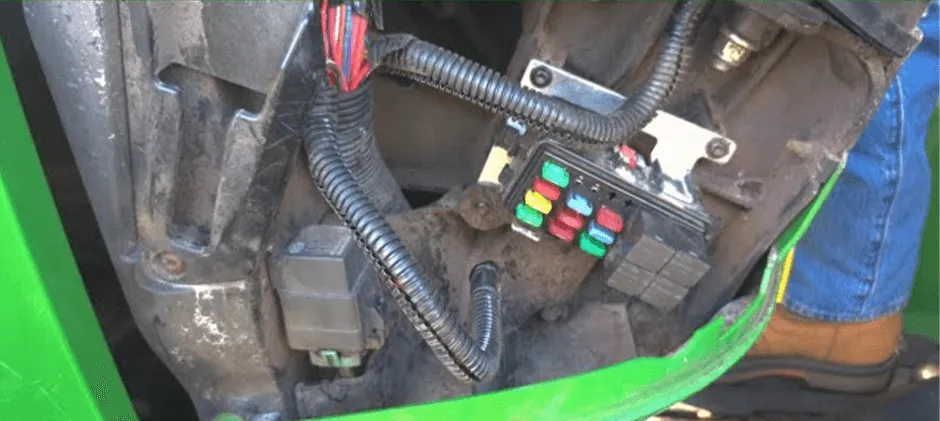
Relay locations change a lot from brand to brand and model to model, so there’s no one “standard” spot. But most of the time, you’ll find them in places like these:
The easiest way to find the relay is to check the machine’s operator’s manual or service manual. It shows the exact electrical layout and locations. Most relays look like small plastic cubes (usually black, gray, or blue) with 4 or 5 metal pins on the bottom.
A fuel pump relay usually doesn’t fail all at once. Most of the time, it starts acting up on and off — working sometimes, not working other times — which makes it hard to track down. When it goes bad, it can cause a lot of problems. Sometimes it’s just small issues. Other times, the machine won’t start at all. Here are the most common signs of a bad fuel pump relay:
You turn the key, the engine cranks, but it never starts. This usually means the relay is stuck open. Power isn’t getting to the fuel pump, so no fuel reaches the engine. A lot of times it starts like this:
The machine is running fine — digging, lifting, hauling — then the engine just dies. This happens when the relay has weak internal connections. Vibration and heat can make it lose contact for a moment, cutting power to the fuel pump. No power = no fuel = engine stalls. After sitting a few minutes, it may start right back up like nothing happened, which makes it really confusing.
A failing relay doesn’t always go fully bad. Sometimes the contacts inside get worn or corroded, creating high resistance. That means lower voltage to the fuel pump → slower pump → low fuel pressure. You’ll notice things like:
An intermittent relay is one of the hardest problems to diagnose. It can look like a bad fuel pump, clogged fuel filters, or injector problems. That’s why checking the relay first is a smart and cheap first step.
Normally, when you turn the key to ON, the fuel pump makes a low humming sound for 2–3 seconds (priming). If you turn the key and hear nothing from the fuel tank area, the pump probably isn’t getting power. Top causes:
Sometimes the relay fails to close (stuck on). That means the fuel pump keeps running even when the key is off and removed. You may hear the pump humming after shutdown. This will drain the battery overnight, and the machine will be dead in the morning.
Modern machines monitor the fuel pump relay circuit through the ECU. If the ECU sees:
It will turn on a warning light and store a DTC. A common code is P0230 – “Fuel Pump Primary Circuit Malfunction.”
If you think your relay is bad, you can do a few simple tests to confirm. Always disconnect the battery before working on any electrical parts.
Find the fuel pump relay in the fuse box. Look for another relay with the exact same part number and pin configuration — Often used for non‑essential systems like the horn or air conditioning. Swap the two relays. If your machine starts with the swapped relay, the original fuel pump relay is faulty.
As we mentioned earlier, just turn the key to the “on” position (don’t start the engine) and listen closely. You should hear a 2–3 second hum from the fuel pump. If you hear it, your relay is probably working. If you hear nothing at all, the relay is possibly bad.
If you’re familiar with using a multimeter, this is a reliable bench test.
Relays are simple parts, but with a little care, you can make them last a lot longer — especially on off-road machines that work in dirt, mud, heat, and vibration.
As mentioned, it’s best to replace the fuel pump relay once you’ve confirmed it’s faulty. Putting off replacement can make the issues it’s causing worse, resulting in expensive repairs. High-quality aftermarket relays offer the same performance at a fraction of the cost, getting your machine back to work quickly. If you need a durable replacement, you can find the right fuel pump relay for your machine from MechLink.
Yes, absolutely. A relay that’s starting to go bad can lower your fuel pressure. If the little metal contacts inside the relay get corroded or burned, they cause extra resistance. The voltage drop so your fuel pump doesn’t get the full 12 volts it needs to run at full speed. A slower pump means less pressure. This will make your engine run poorly ong before the relay dies completely.
This is a really common question. The way you figure it out is simple elimination:
First, check the fuel pump fuse. If it’s blown, replace it. If it blows right again, you’ve got a short somewhere that needs more checking.
Next, listen for the pump: Turn the key to the ON position and listen for a hum from the pump.
Yes. It’s actually one of the most common reasons for a “cranks but won’t start” issue on any vehicle or machine with an electric fuel pump. A completely failed relay is just like a broken switch — it cuts all power to the fuel pump. With no power, the pump can’t send fuel to the engine, so it won’t start at all.