
2026-10-08
If you’ve been around diesel engines for any length of time, you’ve probably heard people speak about the CAT 3406E with something close to reverence. At MechLink, we’ve been supplying parts for these legendary engines for over 16 years, and we understand why they’ve earned such a devoted following. Let’s dive deep into what makes the 3406E special, why so many are still running strong today, and how you can keep yours purring like the big cat it is.
The Caterpillar 3406E isn’t just another diesel engine – it’s the engine that many truckers and equipment operators consider the gold standard of reliability. Produced from 1993 to 2004, this mechanical masterpiece came at the perfect time in diesel evolution. It had enough technology to be efficient, but stayed simple enough that you could fix most problems with basic tools and know-how.
What sets the 3406E apart is its mechanical fuel injection system. While other manufacturers were rushing to computerize everything, CAT stuck with proven mechanical technology for this model. No complicated electronics, no dozens of sensors, no expensive computer diagnostics needed – just pure mechanical precision. “Give me a 3406E over these new electronic engines any day,” says one veteran trucker on TruckingTruth forums. “When something goes wrong, I can fix it myself.”
The timing of the 3406E was perfect. It came after CAT had worked out the kinks from earlier 3406 models, but before emissions regulations forced everyone to add complex (and sometimes problematic) emissions equipment. This sweet spot in diesel history is why you’ll find mechanics who swear by these engines and owners who refuse to give them up, even with 2 million miles on the clock.
Let’s get into the nuts and bolts of what makes the 3406E tick. This is a 14.6-liter (893 cubic inch) inline-six cylinder engine that means business. The design philosophy was simple: build it strong, build it to last, and make it powerful enough to handle whatever you throw at it.
The mechanical unit injection system deserves special attention. Each cylinder has its own fuel injector pump, operated by the camshaft. This means incredibly precise fuel delivery without relying on electronics. The downside? These mechanical systems need regular adjustment to stay in tune. But when properly maintained, they’re virtually bulletproof.
The 3406E also features a robust block design with thick cylinder walls and a deep-skirt design that adds strength where it counts. The cross-bolted main bearing caps aren’t just for show – they keep everything locked down tight even under extreme loads. CAT engineers didn’t cut corners here, which is why you can rebuild these engines multiple times and they’ll keep coming back for more.
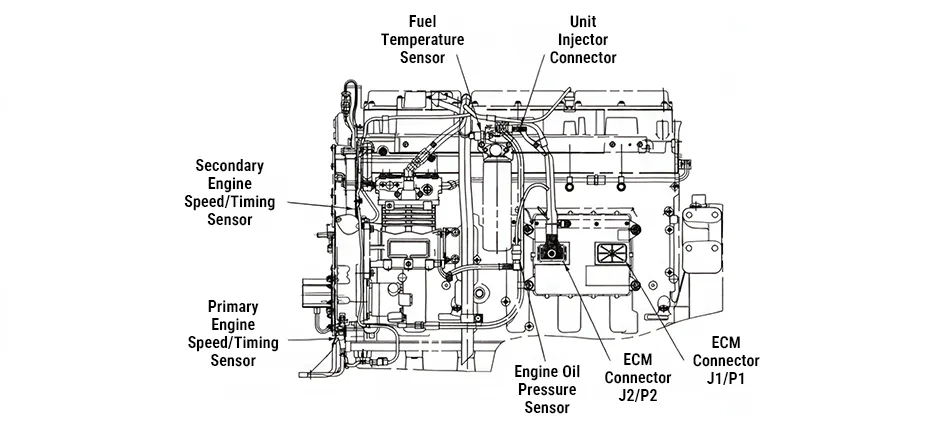
The 3406E came in multiple power ratings to suit different needs, and understanding these ratings helps you pick the right parts and set realistic expectations for your engine. From the highway-friendly 425-horsepower versions to the muscle-bound 600-horsepower variants, there’s a 3406E for every job.
But here’s what the numbers don’t tell you – the 3406E delivers its power in a way that just feels right. The mechanical injection gives you instant throttle response. There’s no turbo lag, no electronic delay, just immediate power when you need it. “My 550-horse 3406E will walk away from these new 600-hp electronic engines at a stoplight,” brags one owner. “It’s all about how the power is delivered.”
Torque is where the 3406E shines. With peak torque available from 1,200 RPM, you’ve got pulling power right where you need it. This low-end grunt makes the 3406E perfect for:
The trade-off? Fuel economy isn’t quite as good as newer electronic engines. Most operators report 5-6 MPG with a 3406E, compared to 6-7 MPG with newer engines. But many consider that a fair trade for the reliability and simplicity.
The versatility of the 3406E made it a favorite across multiple industries. While most people think of it as a highway truck engine, you’ll find these workhorses in all sorts of applications. At MechLink, we supply parts to customers using 3406E engines in ways you might not expect.
The most common home for the 3406E is under the hood of semi-trucks. Fleet operators and owner-operators alike appreciated the combination of power and reliability. Kenworth, Peterbilt, Freightliner, and International all offered the 3406E as an option, and many truckers specifically sought out trucks with this engine.
“We run 3406Es in our generator sets because they just don’t quit,” shares a data center manager. “We’ve got units with 40,000 hours that still run like new. Try getting that from a modern engine with all its emissions equipment.”
The agricultural sector also embraced the 3406E, using it in large tractors, combines, and irrigation pumps. When you need your equipment to work, the 3406E delivers.

The 3406E will run forever – but only if you take care of it. The good news is that maintenance is straightforward, and most tasks can be handled by anyone with basic mechanical skills. Here’s what you need to know to keep your 3406E running strong.
The importance of overhead adjustments can’t be overstated. The mechanical nature of the 3406E means things wear and go out of adjustment over time. Skip your overhead adjustments, and you’ll notice:
“I do my overhead adjustments every 75,000 miles religiously,” notes one million-mile owner. “Takes me about 4 hours, saves me thousands in fuel, and prevents major problems. It’s the best investment you can make in a 3406E.”
Oil selection matters too. The 3406E was designed for 15W-40 oil, and that’s what it likes. Some operators try to run lighter oils for better fuel economy, but the minimal savings aren’t worth the increased wear. Stick with quality 15W-40 and change it regularly – your engine will thank you with years of reliable service.
Even the mighty 3406E isn’t immune to problems, but the good news is that most issues are well-documented and fixable. After supplying parts for thousands of these engines, we’ve seen certain problems pop up regularly. Here’s what to watch for and how to fix it.
1. Low Power Complaints
2. Oil Consumption
3. Coolant in Oil
4. Hard Starting
5. Excessive Black Smoke
“The beauty of the 3406E is that problems usually give you warning signs,” explains a CAT-certified technician.”Unlike electronic engines that just throw codes and go into limp mode, a 3406E will start running rough or smoking before major failure. Pay attention and you can fix problems before they get expensive.”
One of the best things about owning a 3406E is the incredible parts availability. These engines were so popular that the aftermarket has really stepped up with quality replacement parts. At MechLink, we stock everything from gaskets to complete overhaul kits, and we’re continually amazed at the variety of parts still available.
Many 3406E owners look for ways to improve their engines without sacrificing reliability. Popular upgrades include:
The key is choosing quality aftermarket parts. We’ve learned over 16 years that saving a few bucks on cheap parts costs more in the long run.
Here we are in 2026, and 3406E engines are still highly sought after. Trucks with good 3406E engines command premium prices, and rebuilders can’t keep up with demand. Why does a 20-30-year-old engine design still capture so much attention?
Modern engines are technological marvels, but they’re also incredibly complex. When something goes wrong with a new engine, you might need thousands of dollars in diagnostic equipment just to figure out the problem. With a 3406E, you need a wrench set and some mechanical knowledge.
“Show me a modern engine with 3 million miles on it,” challenges one fleet owner. “I’ve got three 3406Es that have passed that mark with just regular rebuilds. These new engines are throwaway units after 750,000 miles.”
While a 3406E might burn a bit more fuel, the total cost of ownership often works out lower
In an era where manufacturers lock down their engines with proprietary software, the 3406E represents freedom. You own it, you can fix it, you can modify it. No dealer visits required, no software licenses needed.
The Caterpillar 3406E isn’t just an engine – it’s a testament to what happens when you build something right. These engines have proven that with proper care, diesel engines can run almost indefinitely. Whether you’re hauling freight across the country, powering critical equipment, or keeping the lights on with a generator, the 3406E won’t let you down.
At MechLink, we’re committed to keeping these legendary engines running. We understand that when you need parts for your 3406E, you need them fast and you need them right. With over 70,000 parts in stock and warehouses strategically located around the world, we’re here to support your 3406E for years to come.
Remember our motto: Fix it once, fix it right. With quality parts and proper maintenance, your 3406E will keep earning its keep long after newer engines have been scrapped. Because at the end of the day, we want you enjoying that Friday night beer, not worrying about Monday morning breakdowns.
The 3406E has earned its place in diesel engine history. Simple, powerful, and incredibly durable – it’s everything a diesel engine should be. Whether you’re a longtime 3406E owner or thinking about joining the club, rest assured that parts and support will be available for decades to come.
Need parts for your CAT 3406E? From basic maintenance items to complete engine rebuilds, MechLink has you covered. With over 16 years of experience and thousands of 3406E parts in stock, we’re your one-stop shop for keeping these legendary engines running strong. Visit MechLink.com today – because your 3406E deserves quality parts that match its legendary reliability.
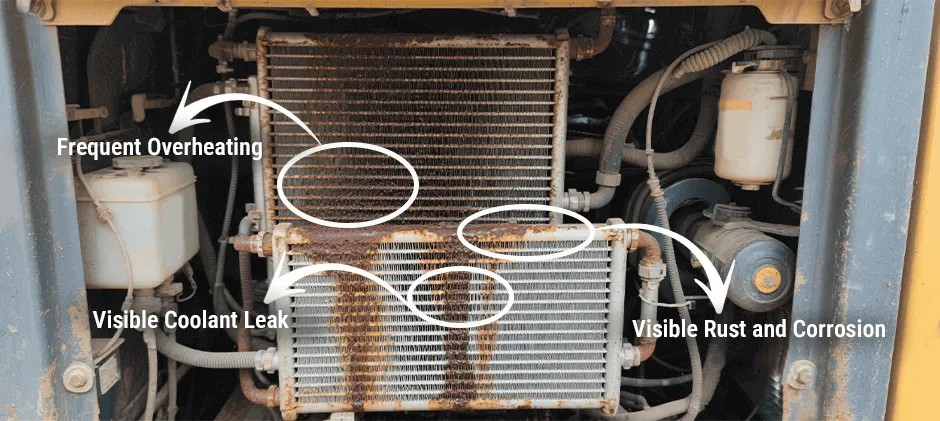
When should you replace an off-road machinery radiator
2026-10-08
![Mechlink:Camshaft failure analysis: causes of excessive lobe wear [2026]](https://img.mechandlink.com/news/1773827546572-camshaft.png)
Camshaft failure analysis: causes of excessive lobe wear [2026]
2026-10-07
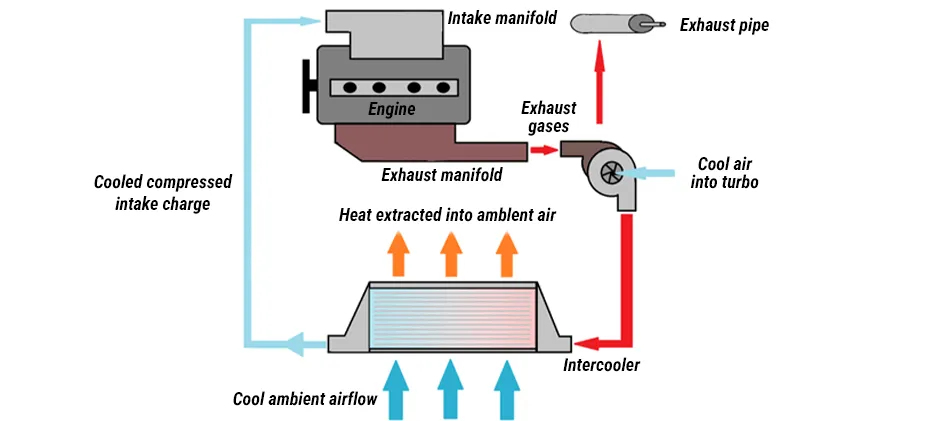
What is an intercooler?
2026-10-07
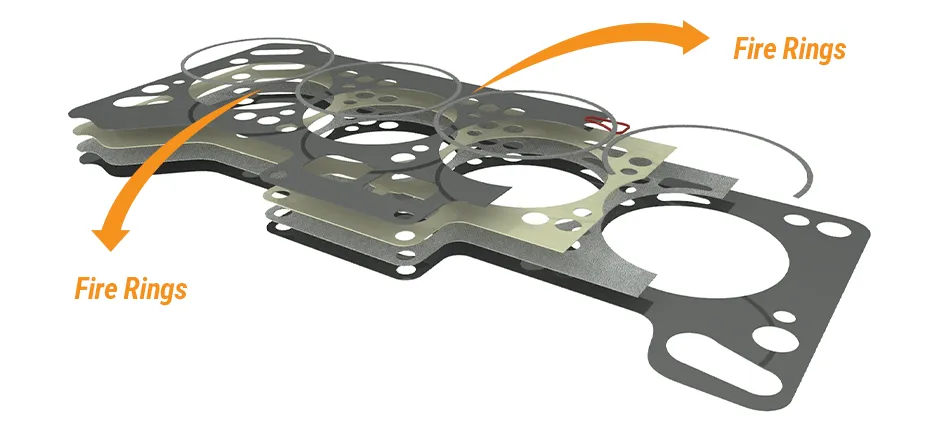
What are fire rings in diesel engine cylinder heads?
2026-10-06