2026-09-30
Summer is approaching, what’s the weather like where you live? If you work in farming or on construction sites, the hot weather can be a challenge to your equipment’s cooling system. A heavy equipment engine that’s running too hot is more than just an inconvenience; it’s a serious threat to your machine’s health and your productivity. Engine overheating can lead to costly damage, from warped cylinder heads to complete engine seizure. When that temperature gauge starts climbing into the red, a systematic check of your engine cooling system is crucial. Understanding the key cooling system components and how they contribute to thermal regulation can help you quickly identify the culprit and get your machine back to work safely.
What does the cooling system do? Heavy equipment engines generate a massive amount of heat. The cooling system is designed to remove this excess heat and maintain the engine at its ideal operating temperature. If any part of this intricate system fails, overheating is often the first and most obvious symptom. Here are 11 critical cooling system components and checks to perform when your heavy engine is overheating:
Regular cooling system inspection checklists and proactive cooling system maintenance are your best defense against engine overheating. Addressing small issues promptly can prevent them from turning into major, costly cooling system failures. Following is the summary chat, and I will provide you detailed illustration to handle different cooling system component failures.
| Component to Check | Common Overheating Symptoms/Clues |
| 1. Coolant Level & Condition | Low level, dirty/rusty coolant, steam from engine |
| 2. Radiator | Visible external blockage, leaks, engine overheats at all speeds |
| 3. Radiator Cap | Coolant boiling over, leaks around cap, system not holding pressure |
| 4. Cooling Hoses | Visible leaks, collapsed hose (especially lower), swollen/soft hoses |
| 5. Thermostat | Rapid overheating, upper radiator hose cool while engine is hot |
| 6. Water Pump | Leaks from weep hole, whining/grinding noise, loose pulley |
| 7. Cooling Fan | Overheating at low speeds/idle, fan not spinning, damaged blades |
| 8. Fan Clutch/Hydraulic Drive | Fan freewheels when hot, insufficient airflow at idle/low speed |
| 9. Drive Belts | Squealing noise, visible wear/damage, loose or broken belt |
| 10. Coolant Reservoir | Leaks from tank/hose, consistently low level despite refills |
| 11. Freeze Plugs | Gradual coolant loss, visible seepage/rust around plugs |
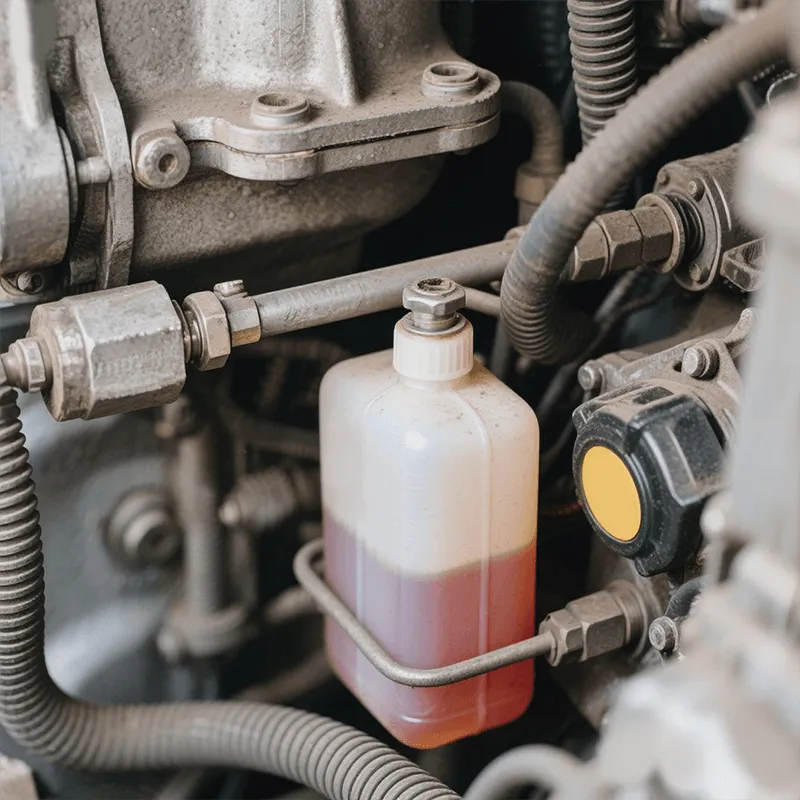
Coolant level and condition are supposed to be your first consideration when the engine overheats, and they are the easiest checks. Coolant, a mix of antifreeze and water, is the lifeblood of the cooling system. It absorbs heat from the engine and transports it to the radiator.
What to check:
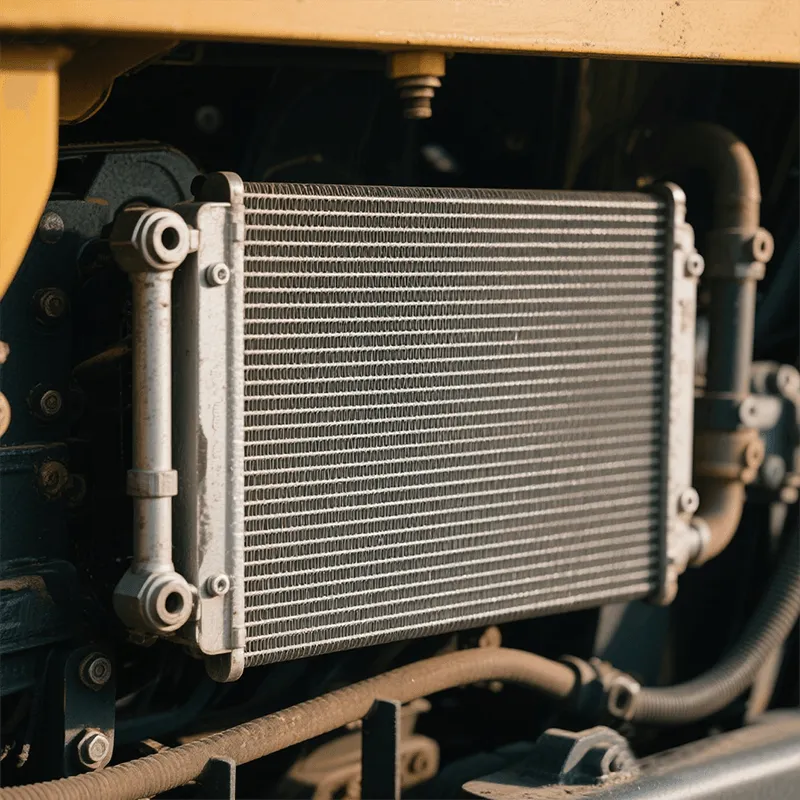
The radiator is the primary heat exchanger. Hot coolant flows through its core, and air passing over the fins dissipates the heat. If the radiator can’t do its job, the coolant remains hot, leading to engine overheating.
What to check:
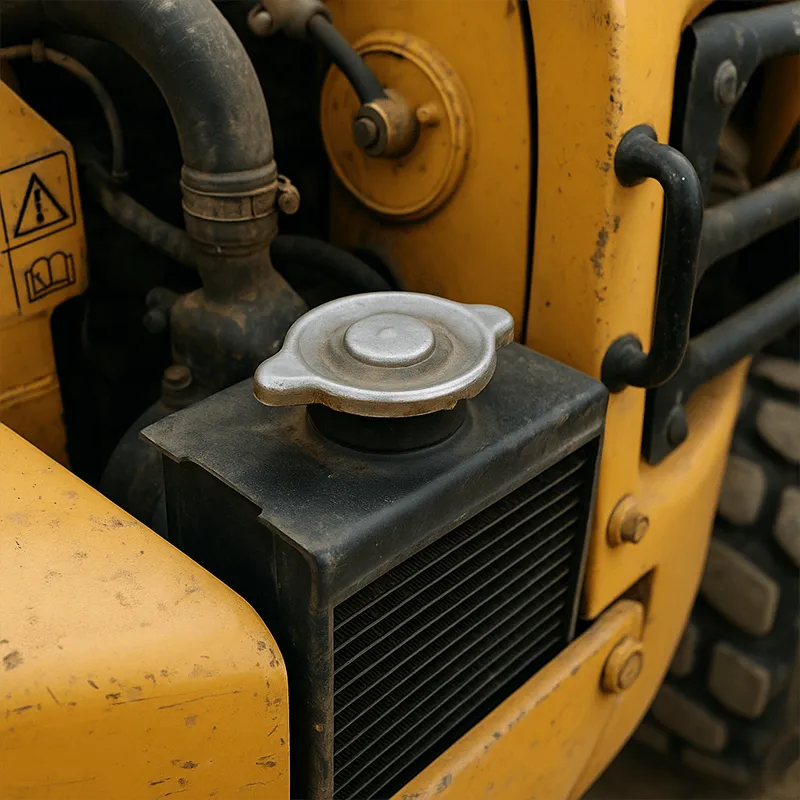
The radiator cap maintains pressure in the cooling system (typically 13-16 PSI). This increased pressure raises the boiling point of the coolant, allowing the system to operate at higher temperatures more efficiently. A faulty cap can cause the coolant to boil at a lower temperature, leading to overheating and coolant loss.
What to check:
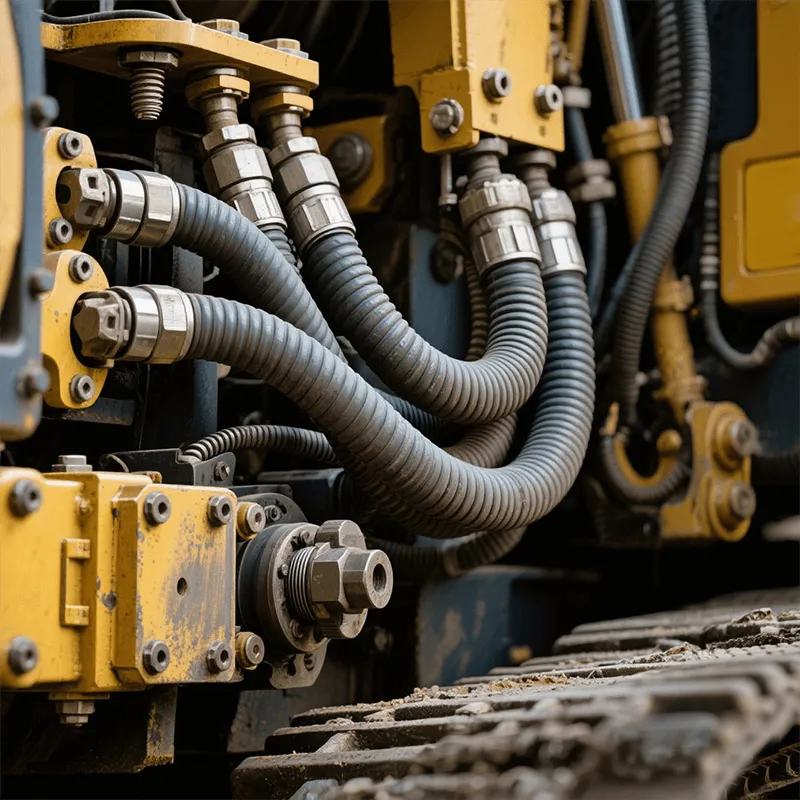
Rubber hoses (upper and lower radiator hoses, heater hoses, bypass hose) carry coolant between the engine, radiator, water pump, and heater core. A leak, collapse, or blockage in any hose can disrupt coolant flow.
What to check:
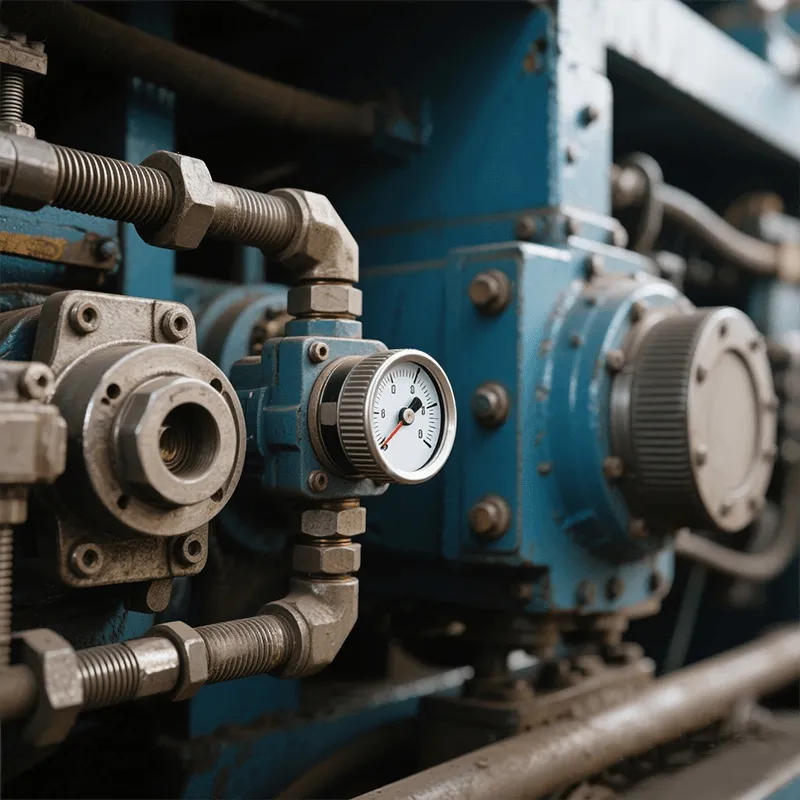
The thermostat regulates engine temperature by controlling coolant flow to the radiator. It stays closed when the engine is cold to allow rapid warm-up and opens when the engine reaches operating temperature. If the thermostat sticks closed, coolant cannot reach the radiator to be cooled, causing rapid engine overheating.
What to check:
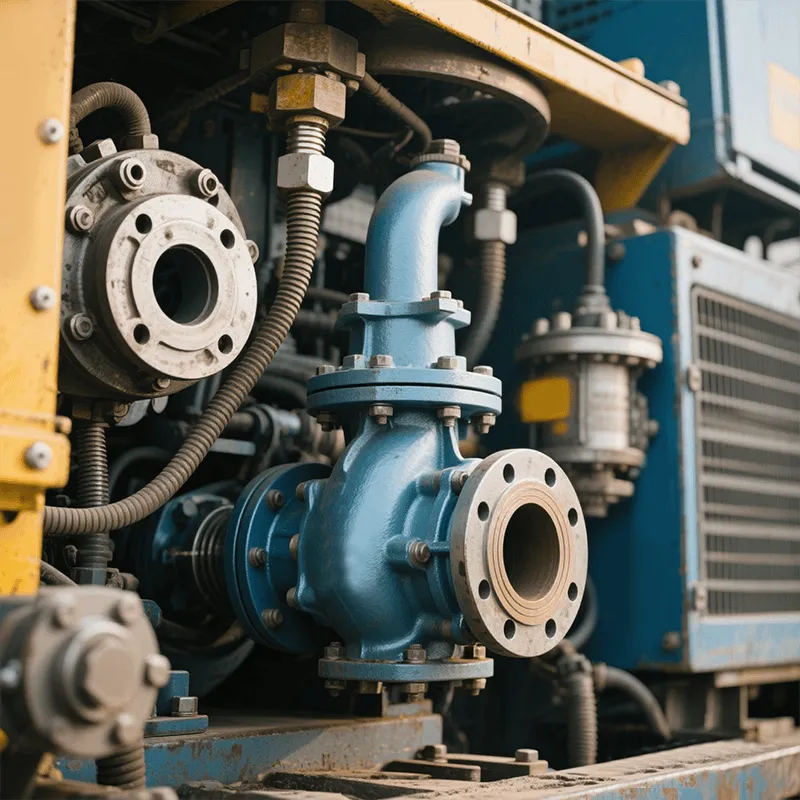
The water pump is the heart of the cooling system and is responsible for circulating coolant. If the water pump fails or its efficiency drops, coolant won’t move through the system adequately, leading to overheating.
What to check:
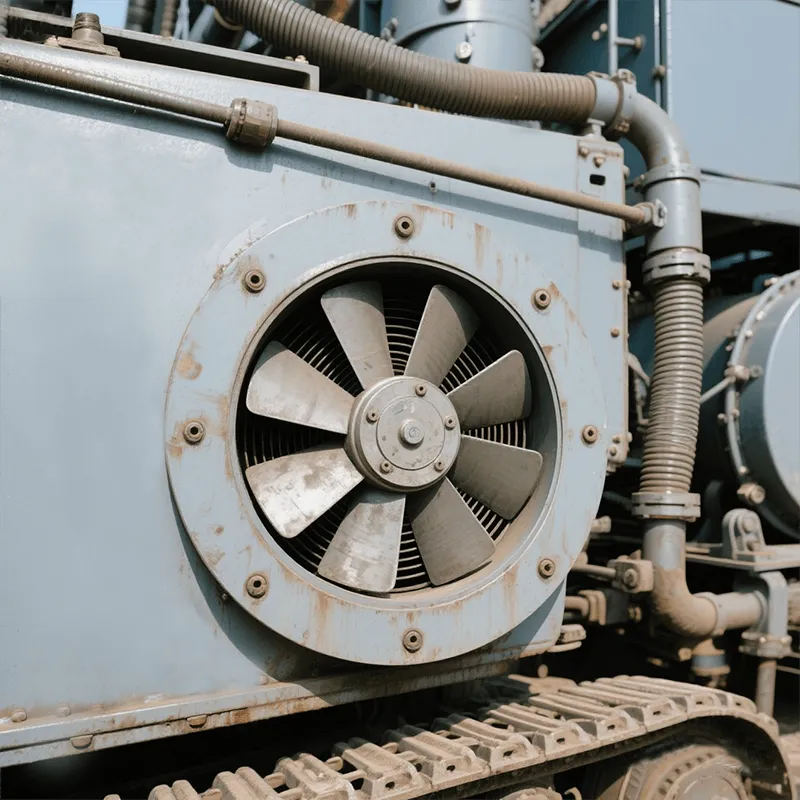
The cooling fan pulls air through the radiator to dissipate heat, especially when the machine is stationary or moving slowly. If the fan isn’t working correctly, airflow will be insufficient, causing overheating in these conditions.
What to check:
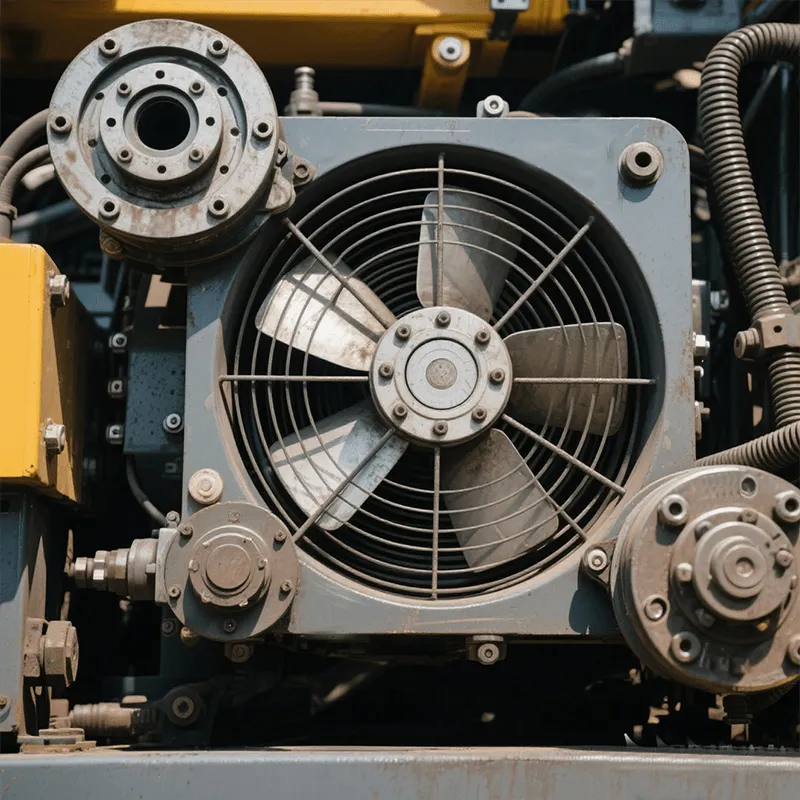
Many heavy machines use a fan clutch (thermal, viscous, or electronic) or a hydraulic fan drive system. These engage the cooling fan at full speed only when needed, saving power. If the clutch or drive system fails, the fan may not engage properly when the engine gets hot, or it might not spin fast enough.
What to check:
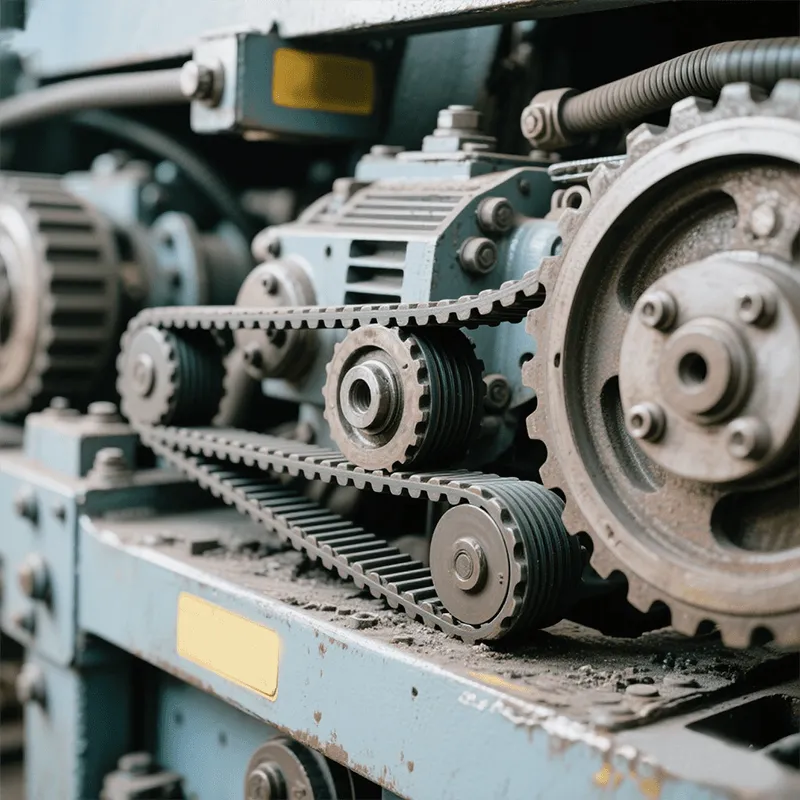
The drive belts (often a serpentine belt or multiple V-belts) power the water pump and often the cooling fan (if it’s not hydraulically driven). A loose, slipping, glazed, or broken belt will prevent these components from operating at the correct speed, or at all.
What to check:
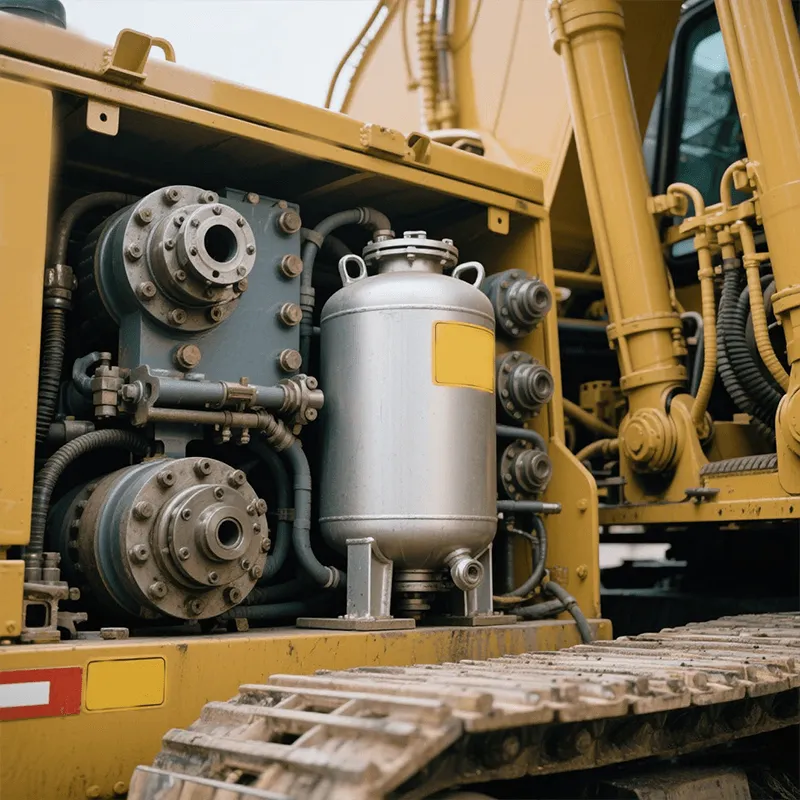
The coolant reservoir (or expansion tank) provides space for coolant to expand when hot and allows it to be drawn back into the system as it cools. It also helps to keep air out of the system.
What to check:
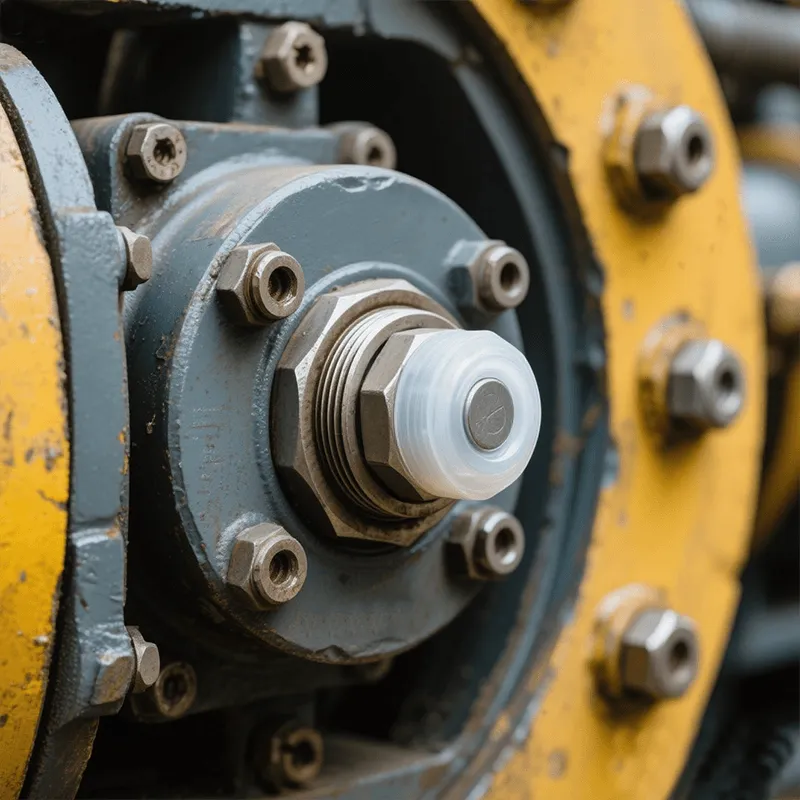
Freeze plugs are metal plugs pressed into the engine block and cylinder head. They are designed to pop out if the coolant freezes and expands, preventing cracks in the engine block. However, they can also corrode and leak over time, leading to coolant loss and subsequent overheating.
What to check:
Conclusion
When your heavy equipment’s engine starts to overheat, a methodical approach to checking these 11 cooling system components can help you diagnose the problem efficiently. Don’t let a “hot-headed” engine slow you down or lead to expensive repairs. At Fridayparts, we know that reliable machinery is key to your success. That’s why we offer a vast inventory of high-quality aftermarket cooling system components at affordable prices. From radiators and water pumps to thermostats and hoses, we provide durable parts with wide compatibility for many heavy equipment brands. If you’re facing cooling system failure or just doing preventative maintenance, explore our selection at Fridayparts.com to find the right parts and keep your engine running cool under pressure.