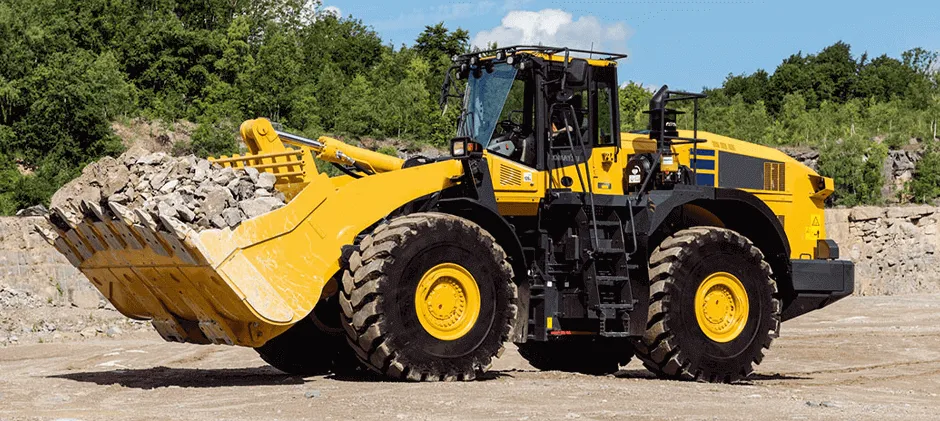
On many Hyundai construction machines (excavators, wheel loaders, etc.), the master warning light is a general “attention” indicator. It usually means there’s an active warning message or fault/event stored in the machine’s monitor that you must review.
The master warning light is rarely the “failed part” itself—it’s a signal to check the display for details (message text, severity, and sometimes a code).
What to Do First: A 3-Step Checklist
- Look for companion red/critical indicators (STOP, oil pressure, coolant temp, charging).
- Open the Hyundai monitor warning screen and read the exact message (and any code).
- Decide severity: keep working, reduce load, or stop safely.
Stop immediately (park safely, lower attachment, idle/cooldown if required) if you have:
- Low engine oil pressure, severe overheating, major power loss/derate, abnormal noise, or a red STOP instruction.
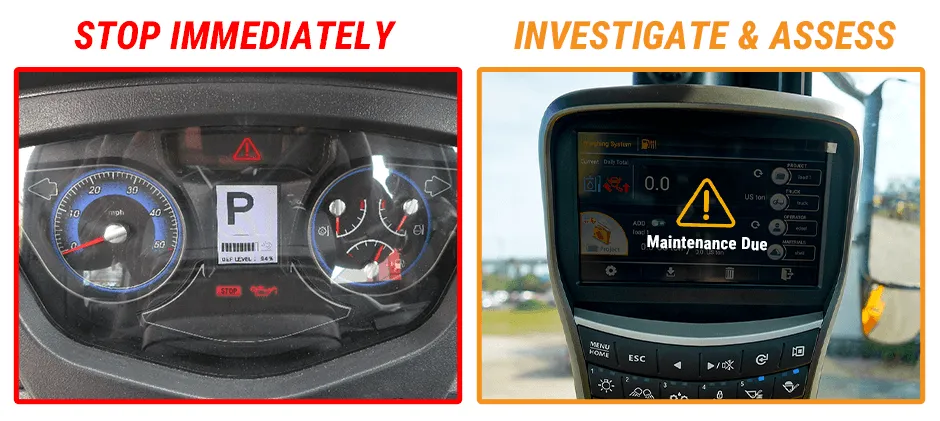
5 Common Reasons the Master Warning Light Is On
These are the most frequent “real reasons” owners see behind a master warning:
- Maintenance/service reminders (filters, intervals, inspections)
- Fluid level issues (coolant, hydraulic oil, engine oil—checked per manual conditions)
- (especially in hot weather or dirty coolers; )
- Electrical/charging faults (low voltage, alternator output, weak battery, ground issues)
- Sensor/circuit plausibility faults (pressure/temperature sensors, wiring, connectors)
5 Safe Checks You Can Perform
- Verify fluid levels correctly (machine position and temperature matter).
- Inspect for visible leaks (hoses, fittings, radiator, hydraulic lines).
- Check battery terminals and ground connections for looseness/corrosion.
- Look for harness rub-through or unplugged connectors near moving joints.
- Clean debris from cooler/radiator cores if the manual allows it (avoid bending fins).
What Information Should You Record?
Take a photo or note:
- Machine model + serial number
- Monitor message text
- Any fault/event code
- Operating conditions (cold start, high RPM, heavy digging, travel, etc.)
- Any symptoms (overheating, smoking, sluggish hydraulics, power derate)
What Parts Commonly Fix the Issue?
What you may end up needing depends on the message behind the master warning light:
- Hydraulic alerts: hydraulic pressure sensor, hydraulic temp sensor, hydraulic filters
- Engine/temperature alerts: coolant temp sensor, thermostat-related components (as diagnosed), radiator cap (model dependent)
- Electrical alerts: alternator/regulator, battery cables, relays, fuses
- Interlock alerts: safety/seat switches (if equipped), brake/lock switches
Frequently Asked Questions
Q: Can I keep working if only the master warning light is on?
A: Sometimes, yes—if the monitor message is advisory. If you see a STOP instruction, overheating, or low oil pressure, stop safely.
Q: Why does the master warning light come back after I clear it?
A: Because the underlying condition (sensor reading, voltage issue, restriction, overheating) is still present or intermittent.
Conclusion
Master warning light Hyundai typically means “check the monitor—there’s an active alert.” The fastest path is to read the message/code, assess severity, and do basic checks (fluids, leaks, cooling cores, battery/grounds). If the warning repeats, capture details and repair the root cause instead of repeatedly clearing it.
For reliable replacement parts that commonly resolve the issues behind master warnings—sensors, filters, switches, relays, alternators, and electrical components—shop MechLink to match your Hyundai model and serial number and get your machine back to work with less downtime.