
2026-02-24
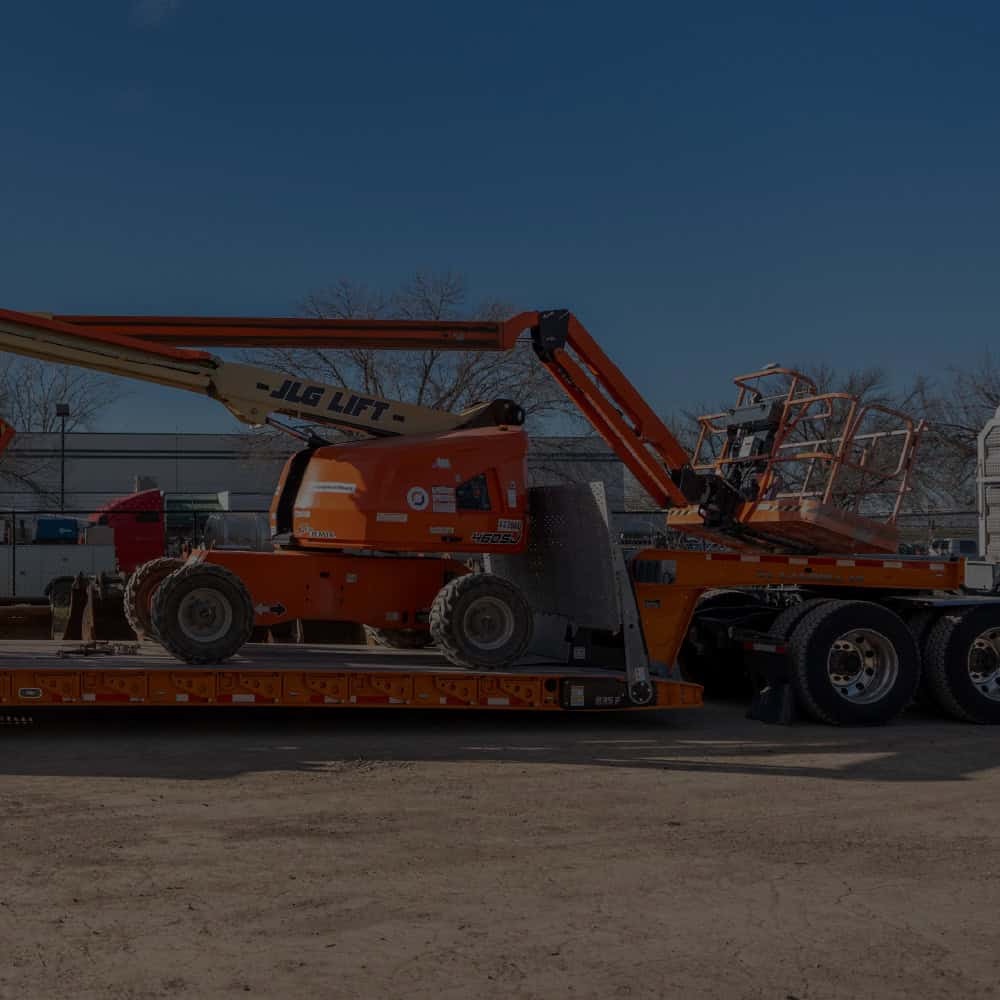
Boom lifts are aerial lifts used extensively in various industries, particularly construction. A boom lift is a piece of equipment consisting of a hydraulic arm connected to a platform or bucket, allowing workers to reach elevated areas safely and efficiently. They’re known for their ability to extend vertically and horizontally, providing greater flexibility compared to other aerial lifts like scissor lifts.
A well-maintained boom lift is less likely to malfunction, reducing accident risks that could harm workers or bystanders. Regular maintenance also ensures that equipment is available when needed by preventing unexpected breakdowns, which minimizes downtime and avoids costly repairs.
Dirt or debris in the hydraulic fluid can lead to system failure and safety hazards. Hydraulic seals can fail from heat, chemical exposure, or wear and should be checked and replaced regularly. Within just a few days of contamination, your boom lift could experience jerky or delayed boom movement and erratic joystick responses. Within a week, hydraulic drift, sticking outrigger controls or basket tilt functions can start to happen. Within 2-3 weeks, boom bounce and uncontrolled lowering can occur. If too much dirt accumulates, the filter bypass activates and allows unfiltered fluid to circulate in your hydraulic system which can cause severe damage. Frequently replacing hydraulic filters is essential to preventing system contamination.
In a boom lift’s electrical system, the connectors and cables are most prone to wear from exposure to environmental conditions. The elements in control panels and switches operate frequently, affecting their reliability. Also, sensors and alarms, critical for safety, can fail if not properly maintained. This can cause erratic or complete control failure in joysticks, basket controls, ground controls, and even cause “ghost faults,” where the system throws errors without an obvious cause. Automatic lockout of the operational functions, even the machine refusing to start at all, are also results of worn connectors and cables.
In the power systems, batteries wear out from frequent use and environmental conditions, while alternators and charging wear out over time.
Rust and corrosion significantly impact the performance of boom lifts by compromising their structural integrity, functionality and safety. Rust can interfere with the smooth operation of moving parts, causing friction and reducing efficiency, which in turn reduces power output and affects performance.
Corrosion weakens metal surfaces, making them more prone to fractures and catastrophic failures during operation. It can also lead to leaks in hydraulic lines. Additionally, corroded electrical connections can result in poor conductivity and electrical failures, impacting overall system reliability. These occurrences cause significant safety hazards to operators and nearby personnel.
Safety is the number one priority when it comes to boom lifts, so there are several areas of maintenance to cover. These categories include:
These inspections are done before each use and include a visual inspection of the boom lift for outside damage, leaks or wear of components like tires, hydraulic hoses and the structure itself.
These inspections are done before each use and include a visual inspection of the boom lift for outside damage, leaks or wear of components like tires, hydraulic hoses and the structure itself.
After completing the walkaround and startup checks, ensure that all mechanical systems operate as intended.
These inspections focus on the environment where workers will use the boom lift.
Safety components, in particular, should receive extra attention. Regular maintenance of these components ensures safe operation and compliance with aerial lift safety standards. Here are the safety-related maintenance items to complete:
Daily: Conduct a walk-around inspection before each use to check for visible damage or issues with safety components. Weekly: Perform a more thorough inspection of safety features and ensure each one functions correctly. Monthly: Inspect structural components and safety systems more thoroughly. Annually: Hire a certified technician to inspect all safety components and systems.
Regular aerial lift maintenance is the key to the boom lift's longevity, as with all types of equipment. Checking fluid levels, providing frequent lubrication to moving parts, and ensuring clean filters are essential for operational efficiency.
Daily visual inspections before using the lift can reveal signs of wear, damage or leaks. Detailed inspections every 3 months or 150 hours of operation can identify and address potential issues early.
Adhere to the manufacturer's maintenance schedule for tasks like oil changes, filter replacements and hydraulic system checks, and remember to keep detailed service records and follow a rigid preventive maintenance plan as the best defense against machinery downtime.
Additionally, consider seasonal maintenance factors since components can overheat engines and hydraulic systems, while batteries can drain faster in the summer heat. Conversely, cold temperatures thicken hydraulic oil, reduce battery capacity and cause seals and o-rings to fail more often.
Regular inspections and maintenance can identify issues before they become critical, so following manufacturer guidelines for maintenance and replacement is essential. Training operators to recognize signs of wear and promptly report issues is vital in preventing accidents and breakdowns.
When it’s time to service your boom lift, check out MechLink’s comprehensive range of telescopic boom lift parts and articulating boom lift parts. Don’t see exactly what your machine needs? Reach out to our parts experts and get personalized assistance.
High beam vs low beam: which one to use and when
2026-05-19
Are daytime running lights the same as headlights?
2026-05-19
Drls vs fog lights: what’s the difference?
2026-05-18

Hammer drill vs impact driver: what’s the difference?
2026-05-18