
2026-11-25
Ask a site manager what a telehandler is for and the answer usually arrives as a list rather than a sentence. That is the nature of a telescopic handler: the boom supplies reach and power, while the attachment on the end of it decides whether the machine is shifting pallets, setting roof trusses or lifting a worker to a parapet.
What follows is a practical tour of the attachments that see the most service, an explanation of why mounting hardware differs between brands, and the routine checks that keep a boom and its tooling healthy.
On a telehandler the load rides on a boom that extends forward and upward. A forklift mast only rises, so the truck has to sit square in front of the rack, trailer or stack it is working. A boom can be pushed out across a fence line, a spoil heap or a half-built wall and set the load down on the far side.
That reach, together with ground clearance and travel speed, explains why telehandlers appear on construction sites, farms, mines and storage yards. Work usually includes:
A forklift is still the better answer indoors: it is smaller, turns tighter and lifts less height, which suits aisles and racking. The telehandler wins wherever the load has to clear an obstacle or travel over broken ground.
Each attachment turns the same boom into a different machine. These six cover the bulk of day-to-day site demands, and all of them mount to the boom through the maker's own interface.
Often called a scoop, the bucket attachment is one of the most widely used tools for a telehandler. It picks up and carries loose material such as dirt, gravel or sand, which makes it the default choice when the job is bulk movement of uncompacted fill — waste handling being a common example.
Forks handle uniform or bundled loads, moving them between ground level and height or across a yard. Warehouses and distribution centres rely on them heavily. Pallet forks are built for heavy goods on pallets, while cubing forks carry stacked block or stone.
A carriage is a rigid steel frame with forks fixed to it. It does the same work as bare forks — crates, pallets, stacked material — but adds stability and control. Rotating versions let the operator set a load down on a surface that is not parallel to the machine, and width matters: a wide carriage is steadier, a narrow one fits tighter spaces.
Long extensions that stretch the working envelope, truss booms are used for placing steel beams and timber trusses. A hydraulic winch at the tip lets the operator lower a load onto the structure with fine control instead of relying on boom movement alone.
A hook turns the telehandler into a light crane. The simplest version is a steel frame carrying one hook, used to lift and position anything rigged on a chain or cable.
Also known as man baskets, these carry personnel instead of freight. A metal deck with guardrails on every side lets a crew reach an awkward elevation, and the platform can replace a scissor lift or boom lift for short tasks.
Swapping tools is quick, but the procedure belongs to the manufacturer rather than to the operator. JCB, for example, uses a proprietary interface called Q Fit. The attachment is held against the boom by two safety pins and a locking mechanism that engages the backplate; releasing it means withdrawing both pins and disengaging the lock before the tool can be lifted clear.
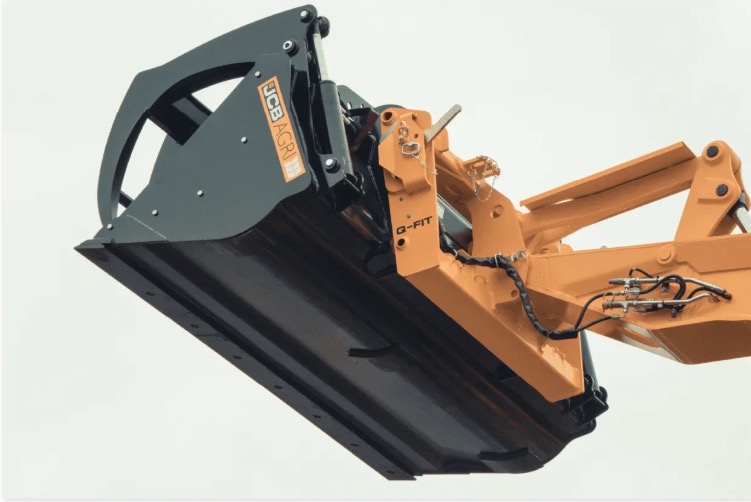
JCB's proprietary attachment system, Q-Fit. To release Q Fit attachments, you simply need to remove the two safety pins and release the locking mechanism. Once unlocked, the attachment can be removed.
The practical consequence is that heads are rarely interchangeable. An attachment built for one maker will not necessarily pin onto another maker's boom, even where the machines look alike in size. JLG, SkyTrak, Skyjack, Wacker Neuson, SANY, Manitou and JCB are all common on sites, and each arranges its mounting differently.
Before ordering a replacement or a used attachment, confirm both the host machine's manufacturer and its mounting system. A tool that will not latch properly is not a saving.
The boom absorbs the hardest part of the duty cycle, so it wears first. A short walk-around at the start of each shift catches most problems while they are still cheap: fluid leaks, corrosion on the battery terminals, general wear.
Lubrication is the step most often skipped. Most manufacturers ask for the boom to be greased every 8 hours, which in practice means once per shift, and operators should be trained to treat it as part of their start-up routine.
Other items that belong on the schedule:
Consumables replaced on time are far cheaper than a boom that fails mid-lift. MechLink stocks OEM and aftermarket parts for mixed fleets through its online parts catalogue, and the team can confirm fitment against your machine's make and mounting system before you order. If you would rather talk it through, contact a parts specialist for help matching the right component to the job.
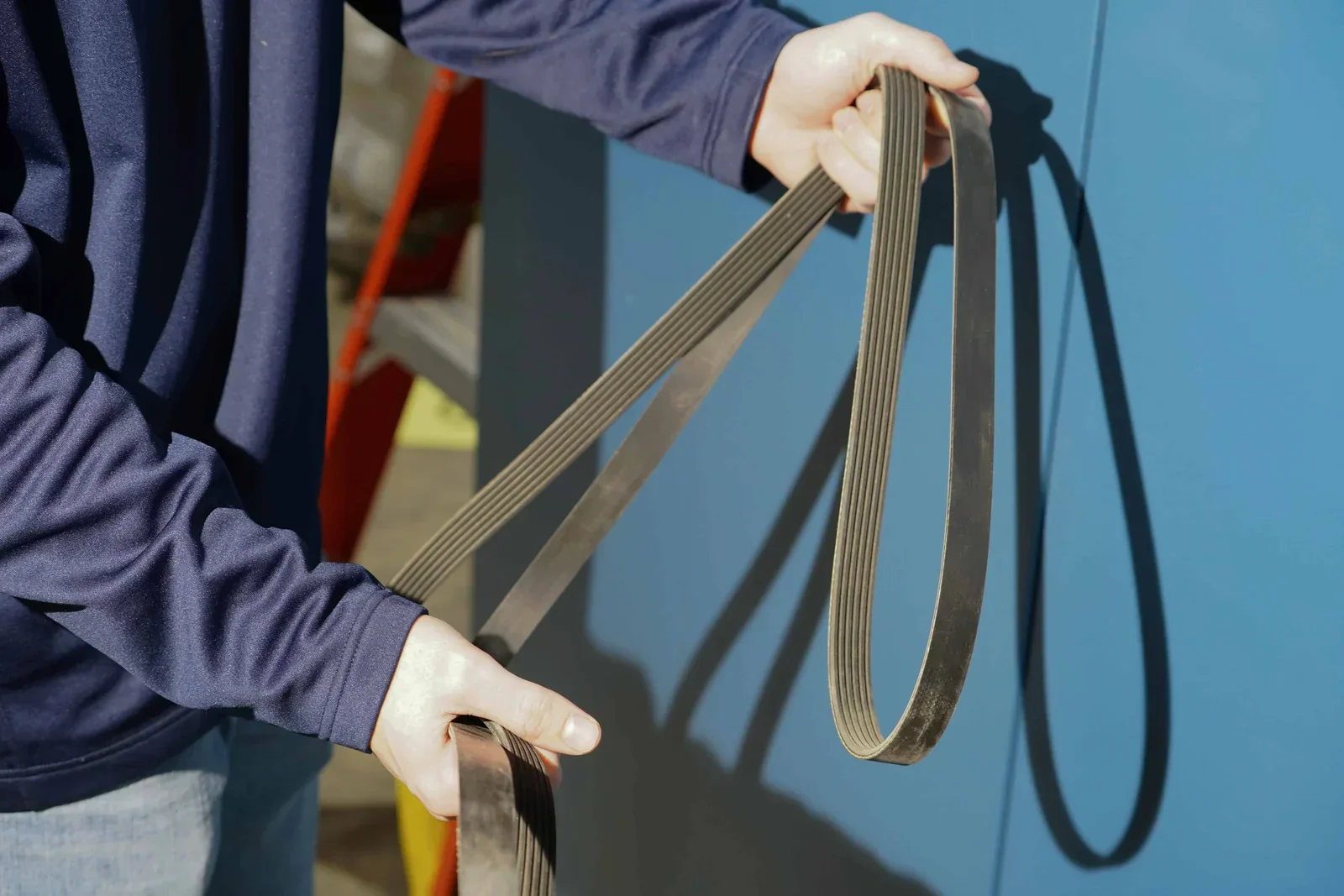
Engine belts: four types, the symptoms of failure, and what a snapped belt really costs
2026-11-25
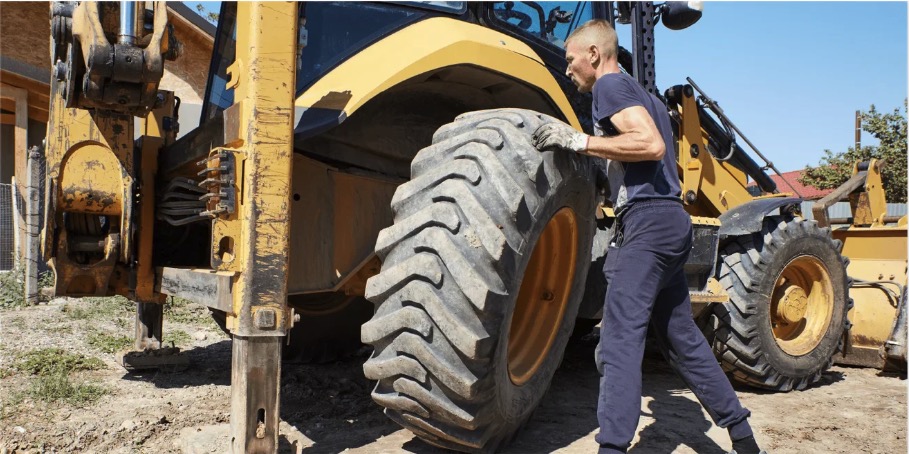
Four tire habits that keep heavy equipment rolling
2026-11-24
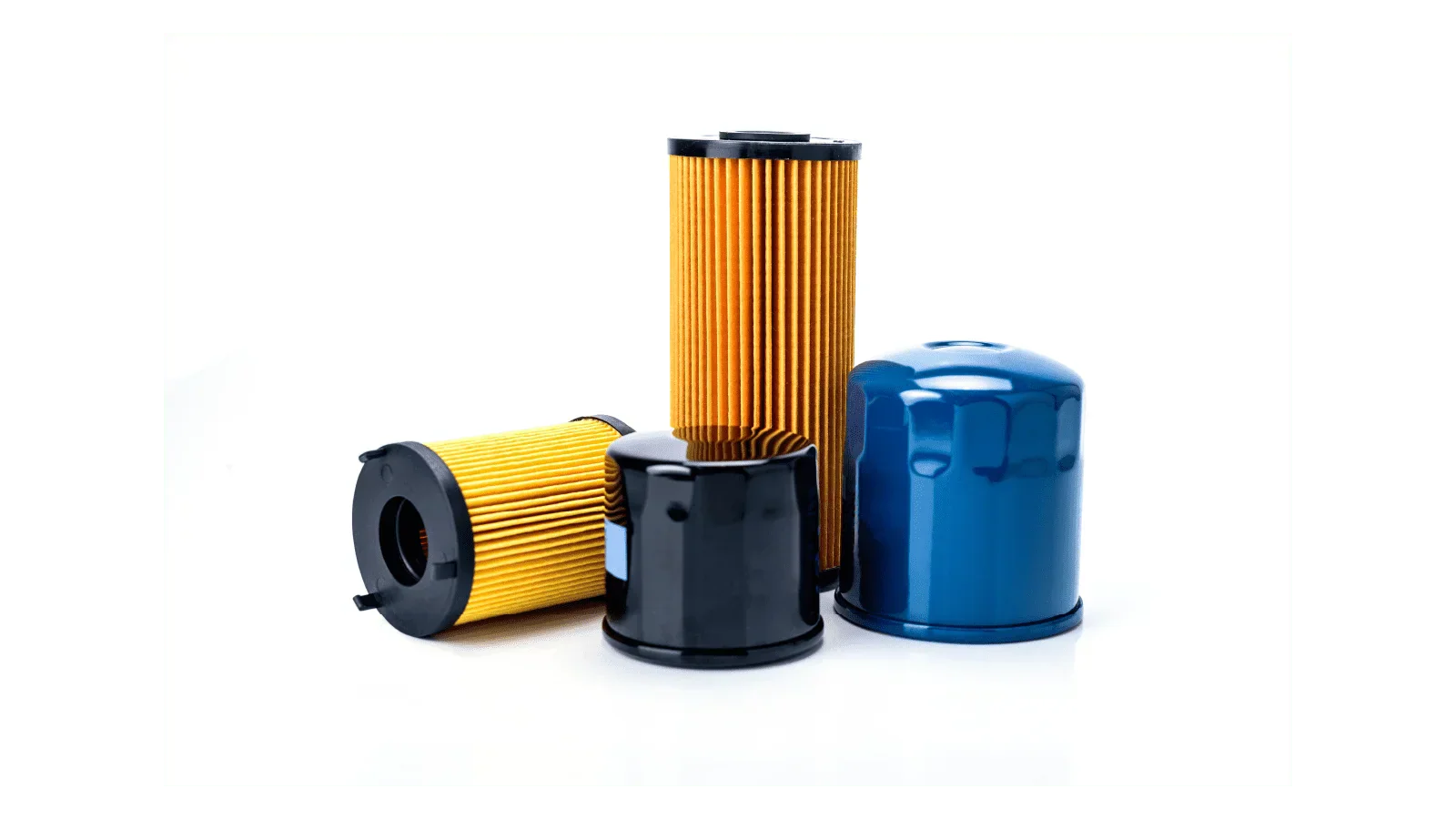
Fuel filter or oil filter? Telling apart two parts that protect very different systems
2026-11-24
9 Undercarriage Habits That Keep Tracked Machines Running Longer
2026-11-23