
2026-11-15
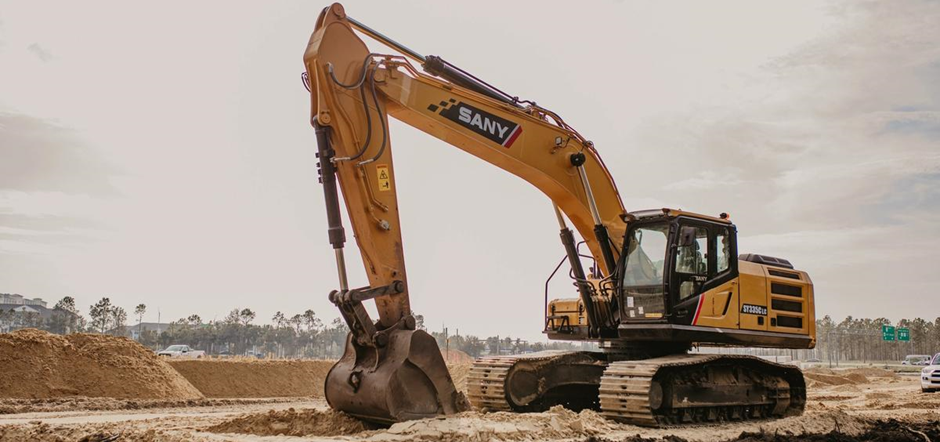
Most excavator purchases go wrong long before anyone compares nameplates. They go wrong when the buyer chooses by reputation, colour or price and only later finds the machine is too heavy for the permit on the access road, too light for the rock it must break, or fitted with a hydraulic circuit that cannot run the hammer the job depends on. Brand matters, but it comes last in a sequence that begins with the work.
This guide follows that sequence: weight class, bucket and attachment envelope, undercarriage type, hydraulic configuration, attachment strategy and residual value. Only then does it turn to the manufacturers — because a well-matched machine from a second-tier brand usually out-earns a badly specified one from the market leader.
Answer honestly and the shortlist narrows to two or three configurations. Skip the questions and every later comparison becomes an argument about preference.
Weight class fixes transport, ground pressure, dig envelope, productivity and resale at once. Moving up a class is not a linear upgrade; it changes the trailer, the permits, the fuel burn and the labour needed to keep the machine earning.
Choose the lightest machine that can hold the required output, and verify transport weight rather than the brochure figure: attachments, counterweight and a full tank all add to what the trailer carries.
Bucket size is a matched parameter, not a maximum to be maximised. A bucket that is right for loose aggregate will overload the machine in wet clay or blasted rock; one sized for rock leaves capacity unused on lighter material.
On a used crawler the undercarriage is the largest single wear item, so measure it rather than look at it: shoe height, bushing and sprocket wear, idler and roller condition, and whether the chains have been turned or replaced. A worn undercarriage can absorb much of the price advantage in the first months of ownership.
Hydraulics are the costliest system to repair and the easiest to hide during a short viewing. A seller who refuses an oil sample or a pressure test has told you something.
Many buyers choose the machine and then try to make their tools fit; it works better the other way round. List the attachments the business actually uses, note the flow and pressure each needs, and let that list define the acceptable machine. Standardise the coupler so one attachment can serve several units, and ask how hard a used machine has worked its hammer — shock travels through boom and stick long after the tool is removed. Long-reach, offset-boom and tiltrotator configurations solve specific problems well and resell poorly, so buy them for a defined task.
Purchase price is a down payment on the real cost. What settles the outcome is the gap between what you pay and what the machine is worth when you sell, divided by the hours worked in between.
Running the same arithmetic on two candidates — cost per hour including fuel, maintenance and expected resale — settles debates that specifications alone cannot.
With the parameters settled, the brand question becomes which manufacturer best matches the configuration you need and the support you can reach.
A long-established name in heavy machinery, known for durable, high-performance equipment. The range runs from mini to large excavators, which makes standardising a mixed fleet on one brand easier; CAT Grade Control and CAT Connect support precision and fleet visibility, and an extensive dealer network is the main reason the brand holds value at resale. Pricing sits at the upper end, and the advanced functions need operator training to be used at all.
A Japanese manufacturer recognised for innovative, reliable machinery. Machines are built for demanding conditions, which suits hard-rock and quarry duty; consumption is engineered for efficiency; and intelligent Machine Control (iMC) improves productivity and precision in grading and trenching. Initial cost is comparable to Caterpillar's, and parts availability, while generally good, varies by region.
Volvo Construction Equipment is associated with quality, safety and environmental performance. Spacious, well-designed cabs reduce fatigue across long shifts — a real factor where operators are scarce — and features such as the Volvo Care Cab reflect a design focus on the person in the seat, alongside an emphasis on fuel economy and lower emissions. Premium specification carries a cost, and service coverage depends on where you operate.
Hitachi offers efficient, technologically advanced excavators with smooth, powerful hydraulics that suit both production and precision work, and a reputation for low downtime. Global presence is strong but less dominant in some regions, and the advanced features call for more operator training.
Caterpillar and Komatsu remain the first calls for buyers who want advanced technology and robust performance and can accept the price. Volvo appeals where comfort and environmental performance carry weight, while Hitachi and John Deere offer reliable, user-friendly alternatives that are easier to justify on a tighter budget.
MechLink works in used construction equipment as a machinery trader, supplying quality used machines for a wide range of work — cranes, road equipment, quarry plant, earthmoving, piling, drilling and underground mining among them. Every quotation is issued with the machine's information and photographs before any sale is agreed, and support continues from inspection through to shipping, so each step of the transaction is clear and the purchase can be made with confidence. Contact us with your machinery requirements.
Backhoe Loaders Explained: Operation, Specifications, and Job Uses
2026-11-15
Crane Types by Structure: How Reach and Rated Capacity Decide the Right Lift
2026-11-14
From Load to Pile to Machine: How Deep Foundation Demand Picks the Piling Equipment
2026-11-14
Before You Buy Used Heavy Equipment: A Ten-Point Inspection Checklist
2026-11-13